It's one of the first questions people ask before they commit to hosting one. Understandable, really. Nobody wants to invite friends round for what they've billed as a fun evening, only to still be interrogating Colonel Mustard about the study at half past midnight while everyone's coats are quietly making their way towards the front door.
So let's actually answer it properly, with numbers attached.
The short version
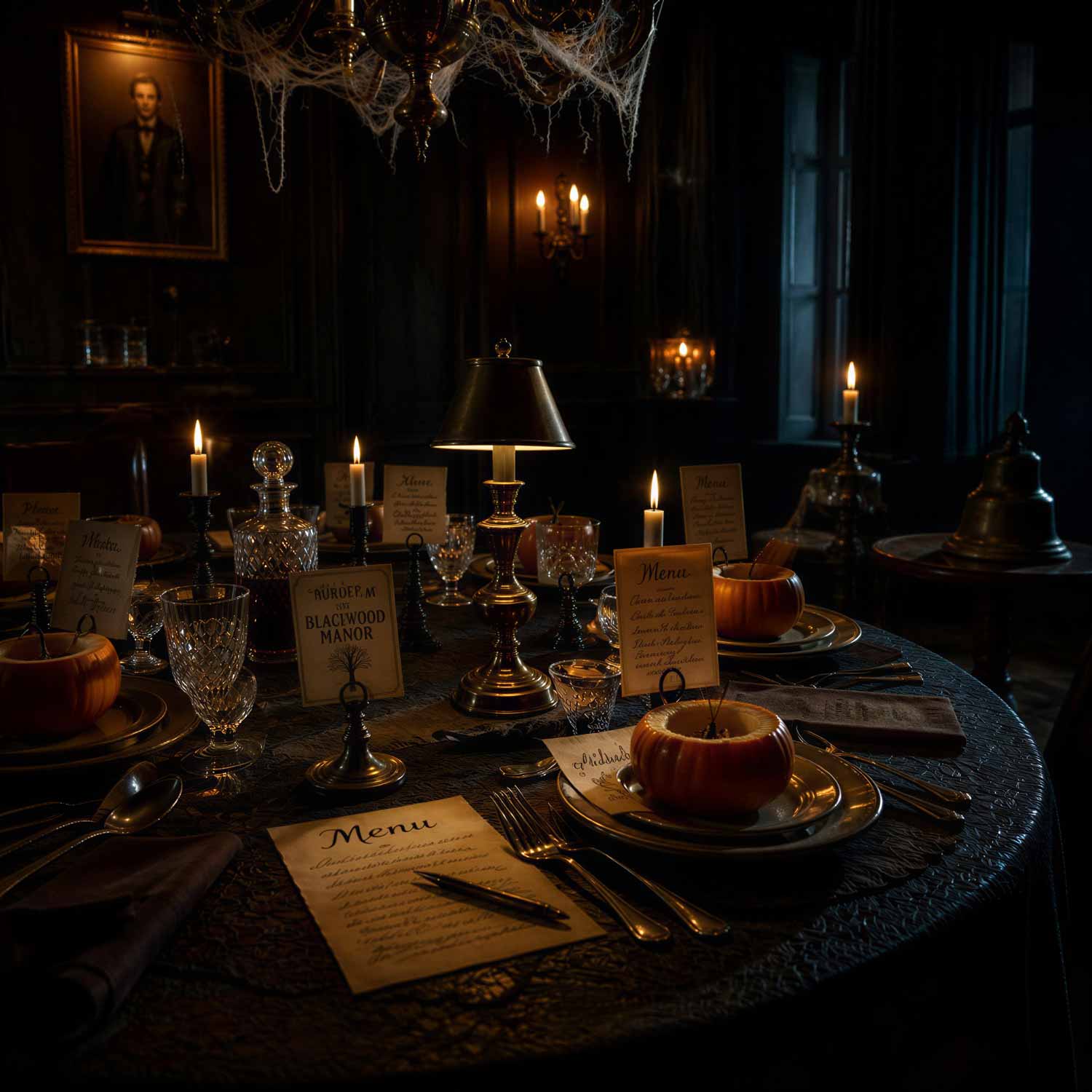
A Dinner Party Game runs for roughly two hours, including the meal itself. A Mix & Mingle Mystery tends to sit at around the same length, sometimes stretching closer to three hours, because guests are also eating, refilling glasses, and drifting between conversations rather than staying seated in one spot.
If you stripped out the eating, the chatting, and the general milling about, the mystery itself could probably be solved in about an hour. So why don't we just say that on the box?
Because the mystery isn't really the point
This is the bit that surprises new hosts the most. The actual puzzle mechanics of a murder mystery game, working out who had the motive, who had the means, who was lying about being in the drawing room at nine o'clock, don't take very long to get through if you treat them like a maths problem to be solved.
But nobody wants to attend a maths problem in a paper moustache.
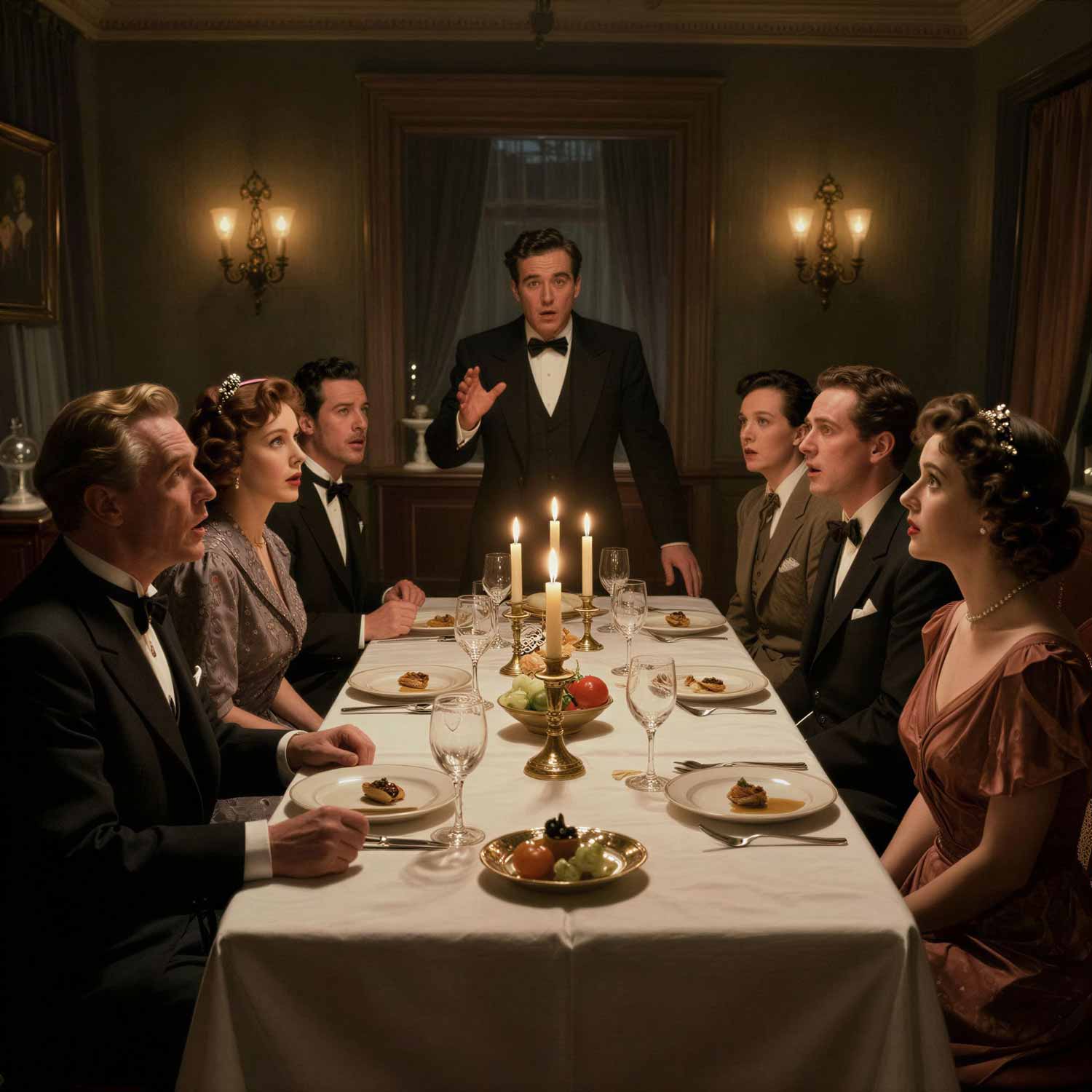
The extra time isn't padding. It's the part where your guests stop being themselves and start being Lord Ashworth, disgraced racehorse owner, or Bunty Fairweather, who definitely did not have an affair with the gamekeeper. It's the bit where someone commits properly to a terrible accent, where an accusation gets made across the table, and everyone gasps even though half of them saw it coming. That's not time wasted on the mystery. That's the experience people came for.
Cut that down to a lean, efficient hour, and you haven't made a better game. You've made a shorter one that nobody enjoyed as much.
Why the format changes the timing
The gap between a Dinner Party Game and a Mix & Mingle Mystery isn't really about the mystery content, since both are built around a similar amount of investigation. It's about what else is happening around it.
A Dinner Party Game keeps everyone seated for structured rounds, usually alongside courses of food, which naturally pace the evening. You know roughly where you are in proceedings because you know roughly where you are in the meal.
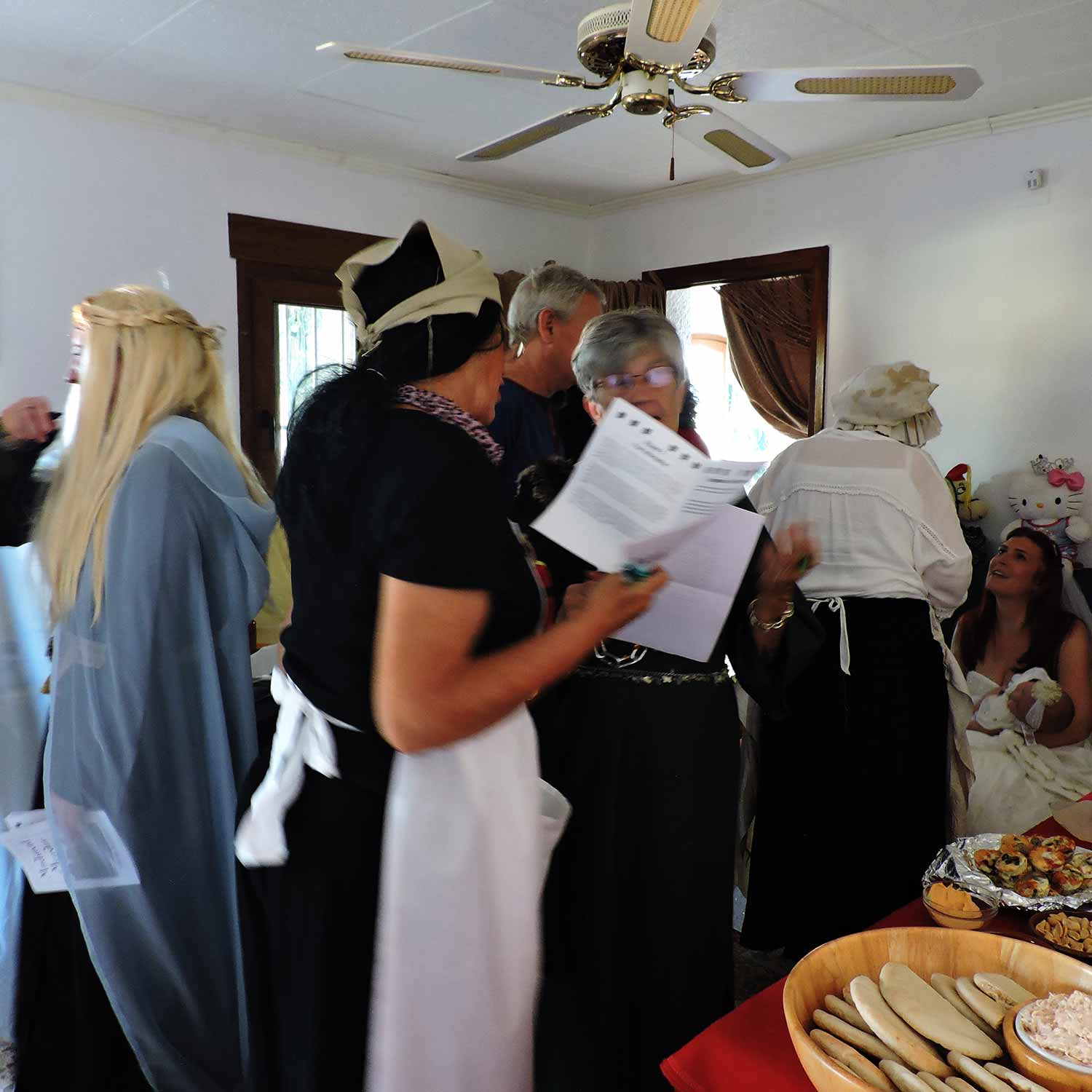
A Mix & Mingle Mystery is looser by design. Guests are up and about, forming little clusters, breaking off for private conversations, drifting back to the buffet table for another sausage roll before rejoining the fray. That freedom is the appeal, but it also means the clock runs a little differently. People linger. Conversations that should take five minutes take fifteen, because someone got distracted arguing about whether the housekeeper had a motive after all. Budgeting closer to three hours gives that format room to breathe without anyone feeling rushed.
What happens if you rush it
Try to compress a mystery down to its bare puzzle-solving hour, and a few things tend to go wrong. Guests barely settle into character before they're being asked to accuse someone. Quieter guests, who take a little longer to warm up to the roleplay, get left behind before they've found their footing. The big dramatic reveal at the end lands with less weight because nobody's had the time to build up real suspicion about each other first.
A murder mystery earns its ending. The accusations, the reveal, the moment where the killer is finally unmasked, all of that lands harder when the group has spent a couple of hours actually living inside the story rather than skimming the surface of it.
So how much time should you actually set aside?
As a rough guide:
For a Dinner Party Game, block out about two hours, and that includes your meal. If your group tends to natter, add a bit of a buffer on either side.
For a Mix & Mingle Mystery, allow two to three hours, particularly if food and drink are flowing freely and people are inclined to socialise before getting down to business.
Either way, resist the urge to schedule something immediately afterwards. A good mystery evening has a habit of running a little long, usually because someone's just accused their own spouse of murder and the room isn't quite ready to move on yet.