There is a particular kind of party guest that every host quietly dreads.
You know the one. They arrive already slightly stiff, look around the room with the expression of someone being asked to defuse a bomb, and spend the first twenty minutes hovering near the snacks because at least the snacks aren't going to ask them to roleplay a 1920s socialite with a gambling problem.
The good news is that this guest is entirely preventable. Not by choosing different friends. By being a better host.
Because here's the thing about murder mystery parties that nobody tells you: the mystery is only half the evening. The other half is the party. And a good party, the warm, easy, I-genuinely-didn't-want-to-go-home kind, doesn't happen by accident. It happens because someone, somewhere, thought carefully about how to make people feel welcome before anyone had even been asked to account for their whereabouts at the time of the murder.
Let's talk about how to do that.
Start Before Anyone Arrives
The atmosphere of a party is set long before the doorbell rings. It starts with the invitation.
If your guests receive a stiff, businesslike message that says, "Please come to a murder mystery at 7 pm, bring a character sheet," they will arrive expecting something stiff and businesslike. If they receive something that makes them laugh, or raises an eyebrow, or makes them immediately forward it to the group chat with a string of enthusiastic replies, they will arrive already warm, already engaged, already in the spirit of the thing.
The invitations included with Murder In The House games are designed exactly with this in mind. Use them. Lean into the theme. If your game is set at a ski lodge, tell people to come in après-ski glamour. If it's a Victorian dinner party, suggest the appropriate era. Giving people something to prepare, something small and fun to look forward to before the evening even begins, is one of the most powerful atmosphere-building tools available to you.
It permits them to be silly. And permission to be silly is where all the best parties start.
Make the Space Feel Like Somewhere
You don't need to hire a set designer. You don't need to spend three weekends constructing a replica of a 1930s hotel lobby. A few well-chosen details go a surprisingly long way.
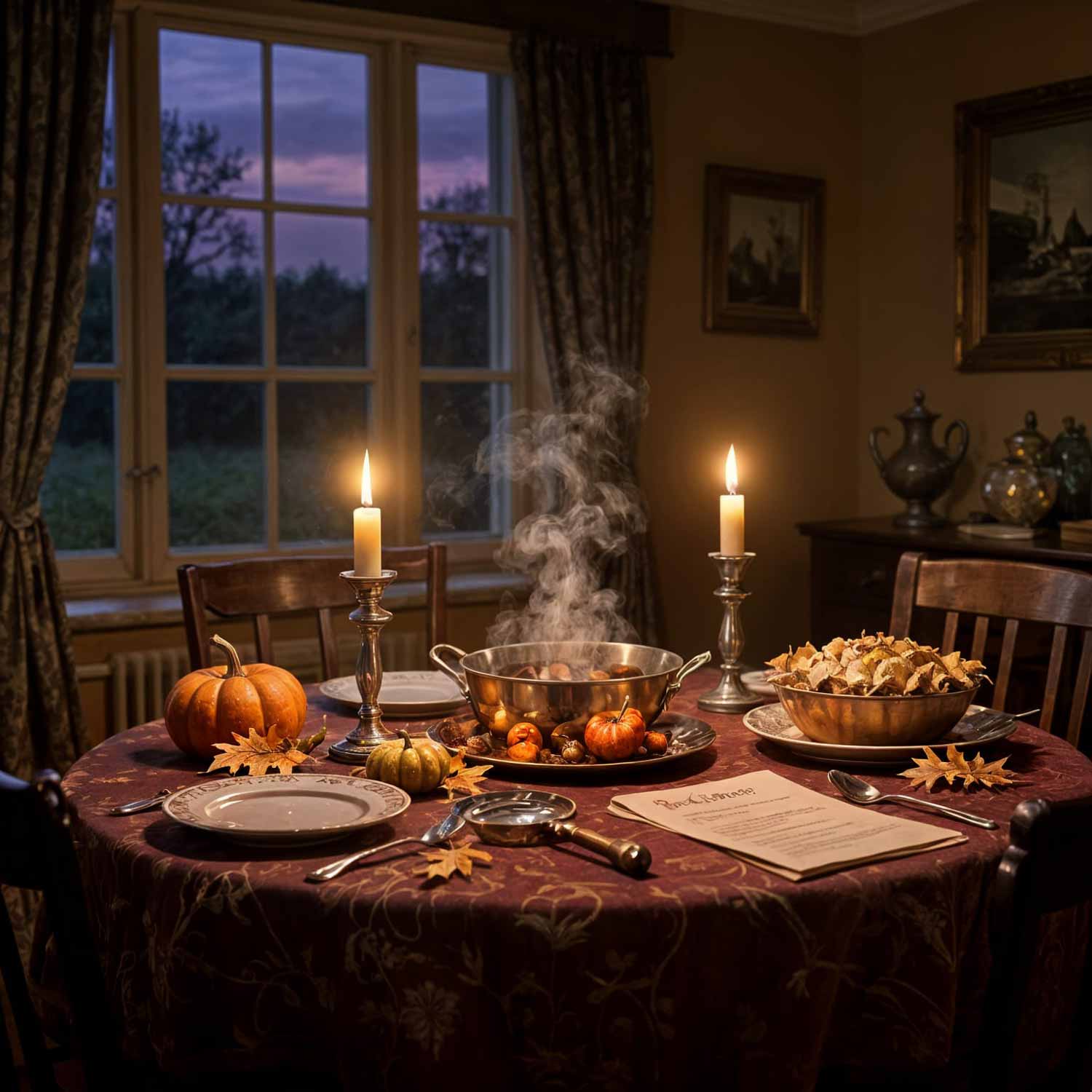
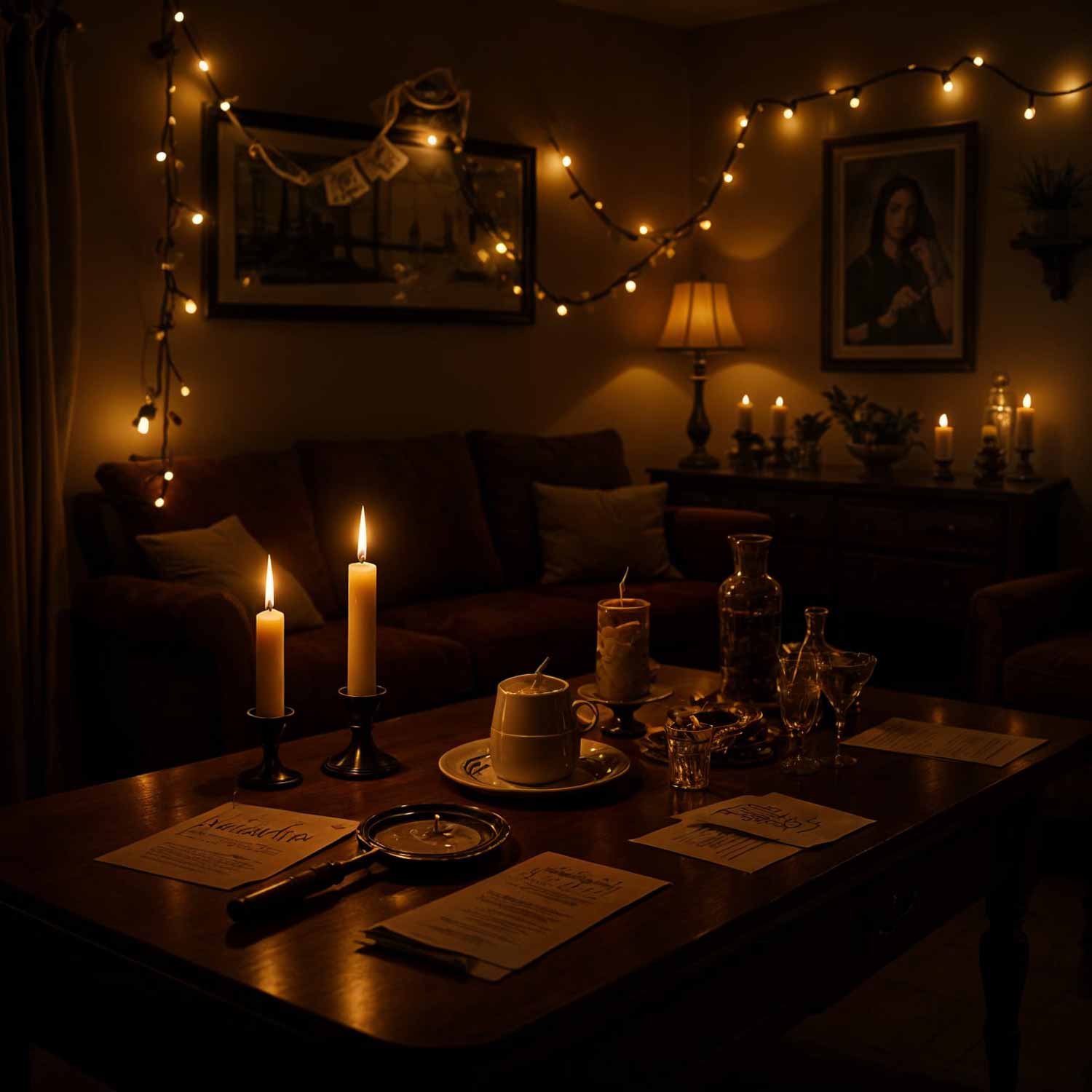
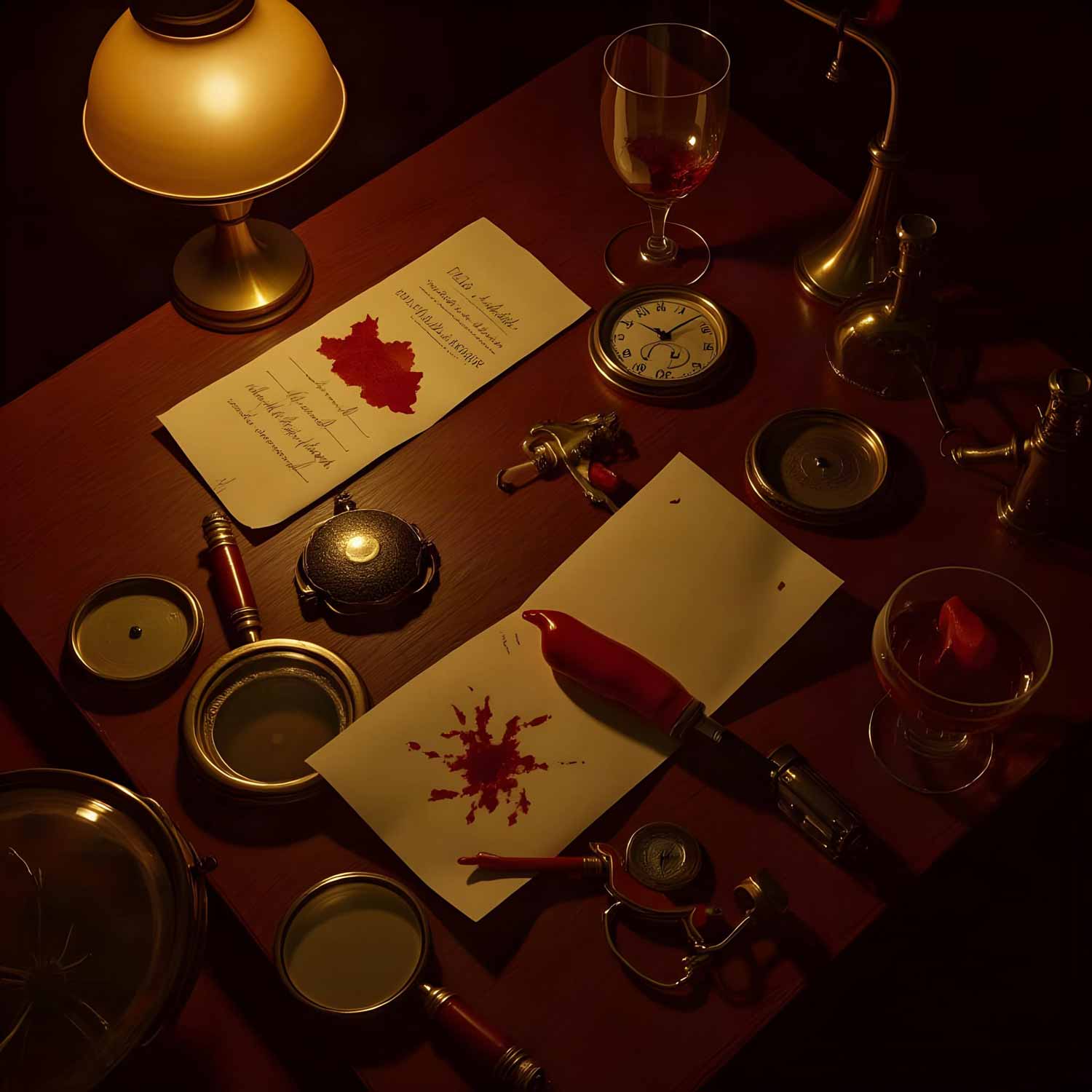
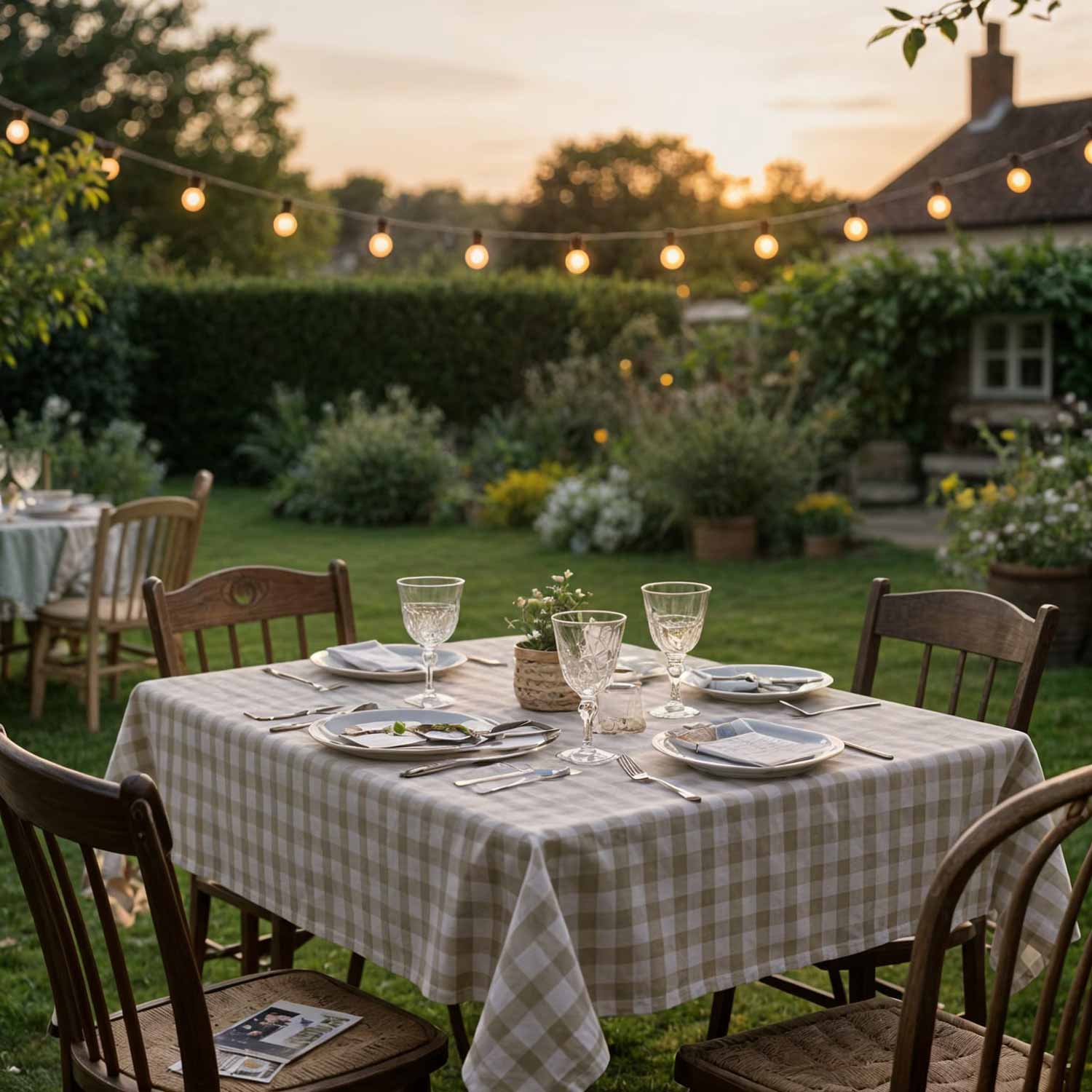
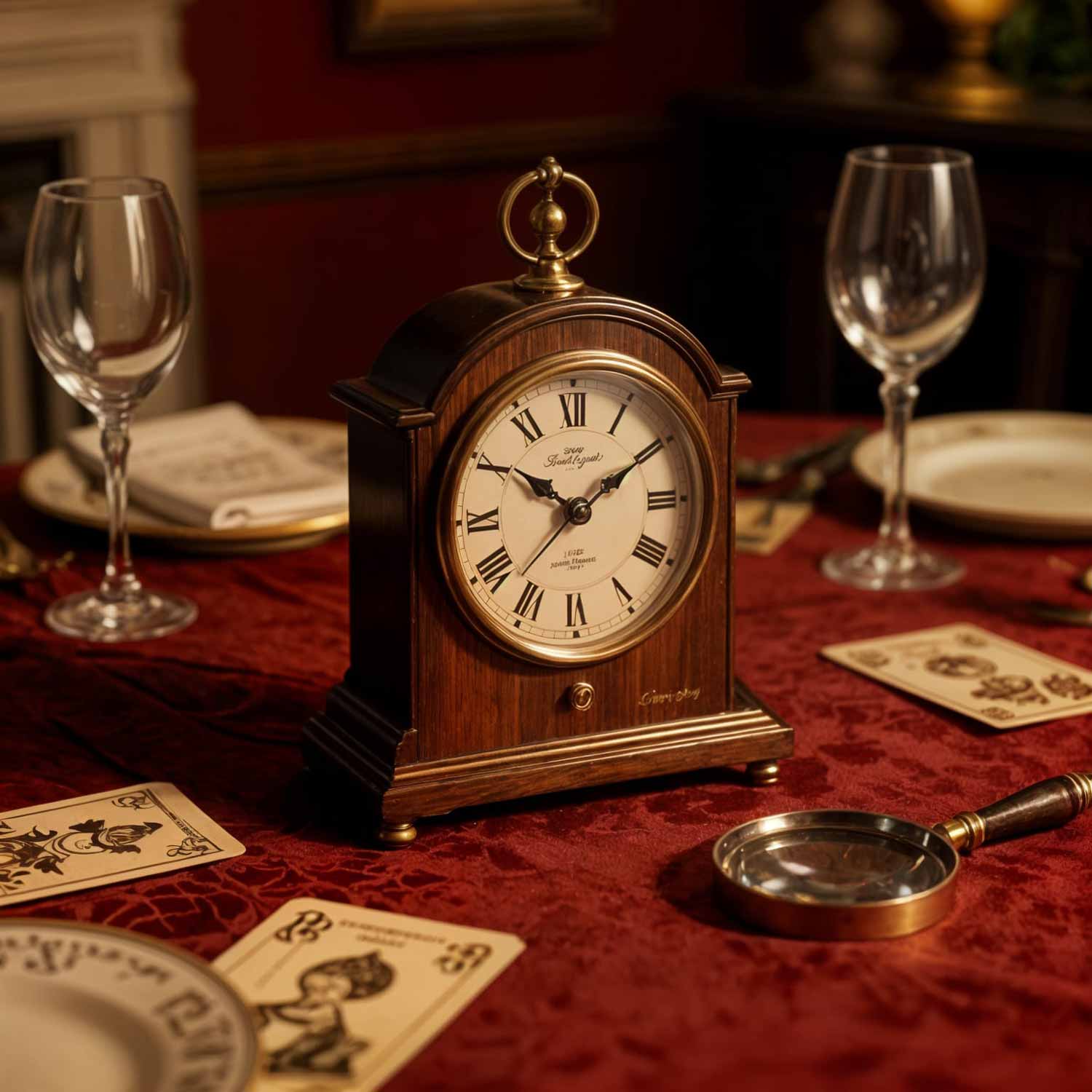
Candles on the table. A playlist that fits the theme (and yes, there will be a playlist on Spotify for almost any era or setting you can imagine). A handwritten menu, if you're doing a dinner party mystery. Maybe a prop or two that hints at the game to come — a faded photograph, a sealed envelope, a slightly suspicious-looking telegram.
What you're doing is signalling to your guests the moment they walk through the door that this evening is different. That thought has been put in. That they are about to enter somewhere, not just someone's living room on a Tuesday.
People respond to this more strongly than they usually admit. The right space, even a loosely suggested one, gives guests somewhere to hang their imagination. And once their imagination is engaged, the warmth of the evening tends to take care of itself.
Feed People Before You Ask Them to Investigate
This sounds obvious. It is, in fact, surprisingly often overlooked.
A hungry guest is a distracted guest. A guest who arrived straight from work, slightly frazzled, on an empty stomach is not going to throw themselves into a complex web of deception and counter-accusation with any particular enthusiasm. They're going to think about food.
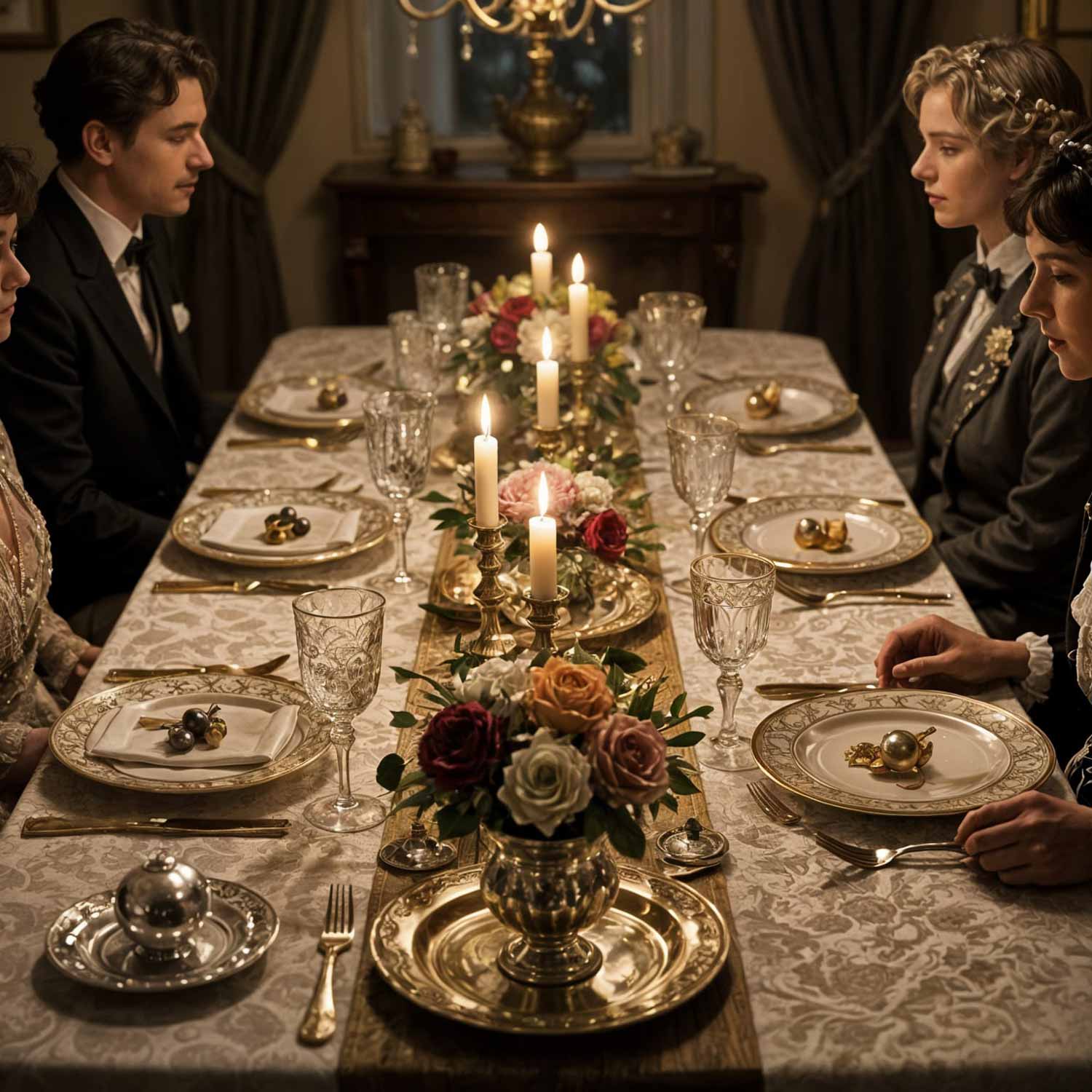
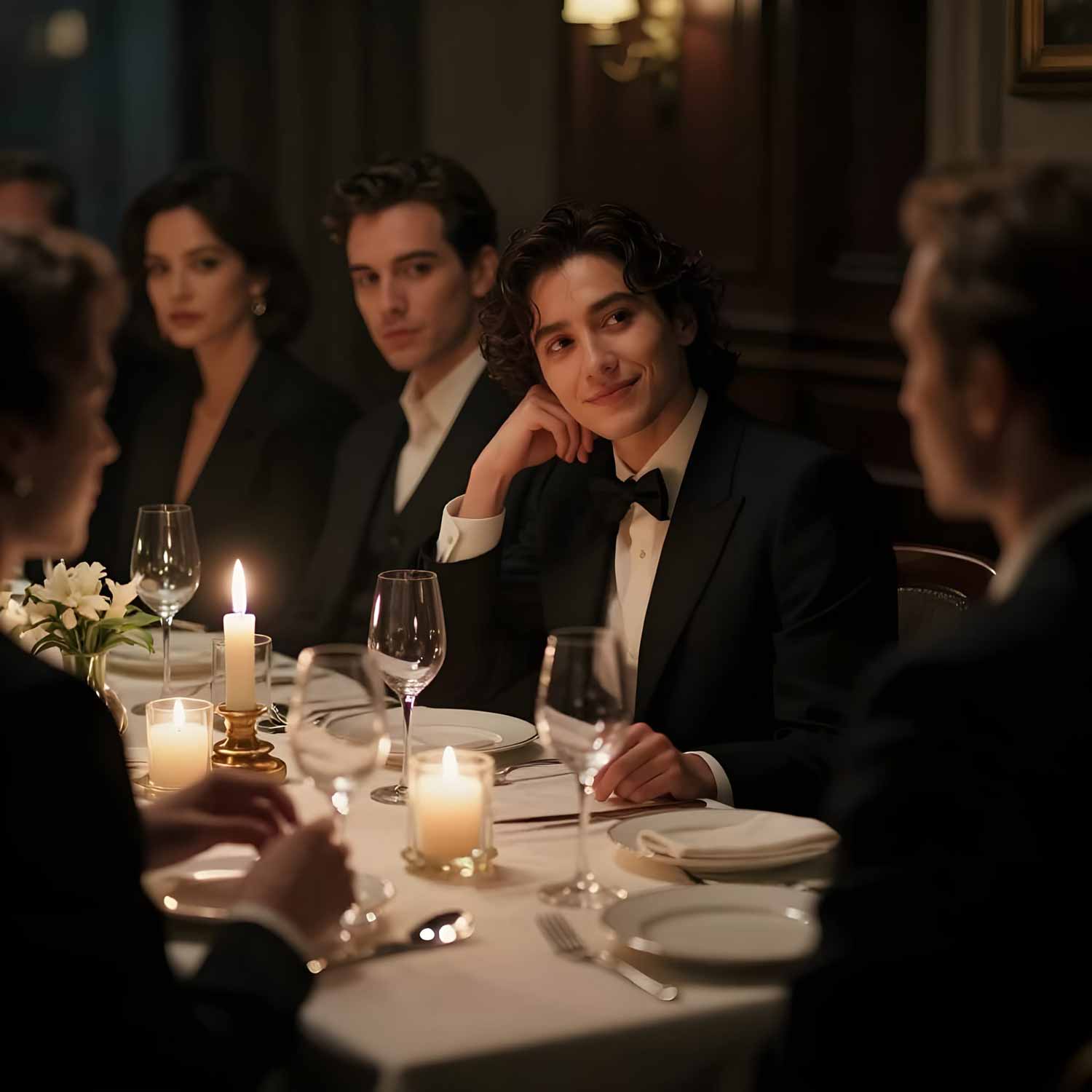
For a Dinner Party Mystery, where the game unfolds across a three-course meal, this is naturally built in, and it's one of the reasons the format works so beautifully. People settle in. They eat. They relax. The first round of the game gives them something to focus on while the social ice begins to thaw, and by the time the main course arrives, everyone is usually mid-argument about whether the enigmatic hotel manager could have done it.
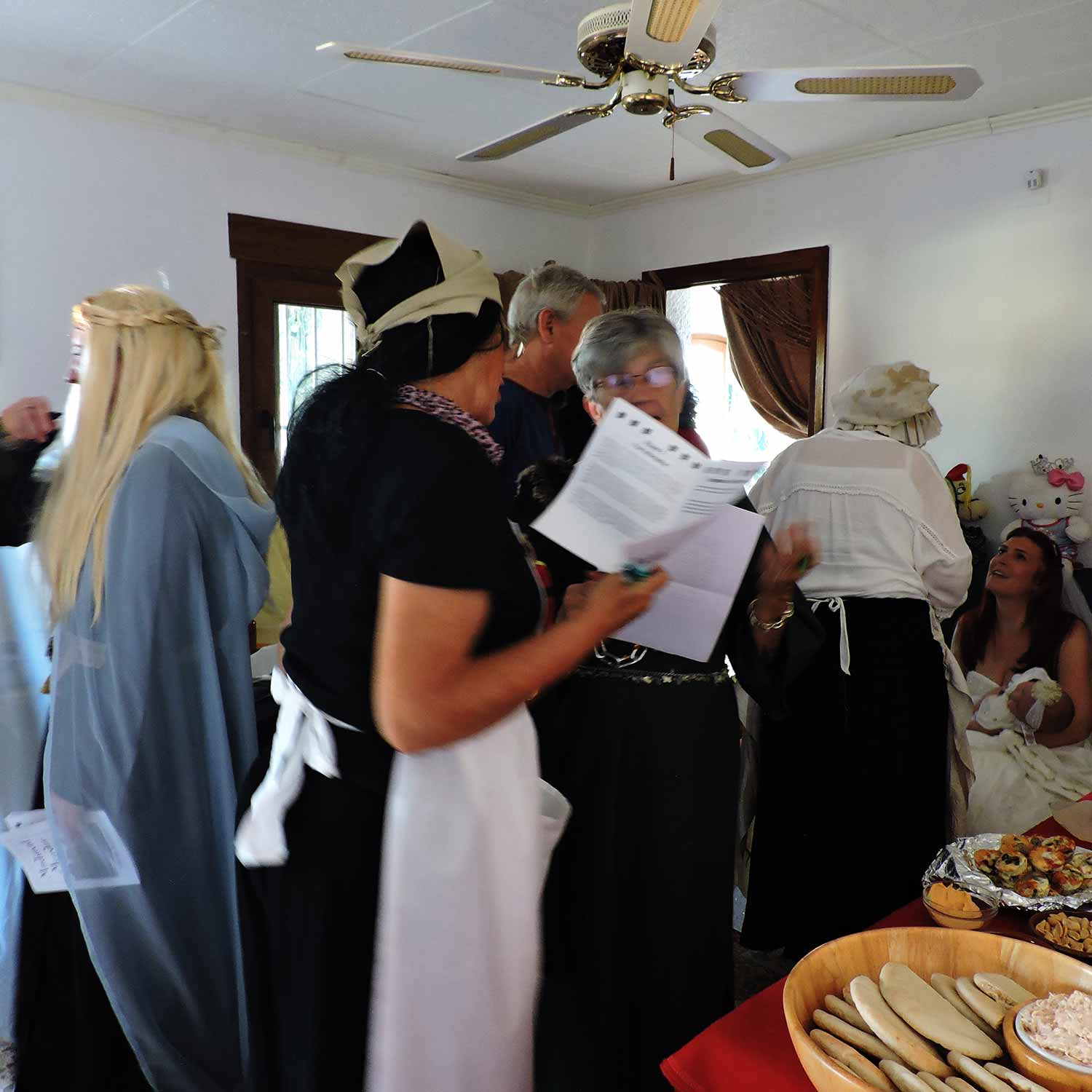
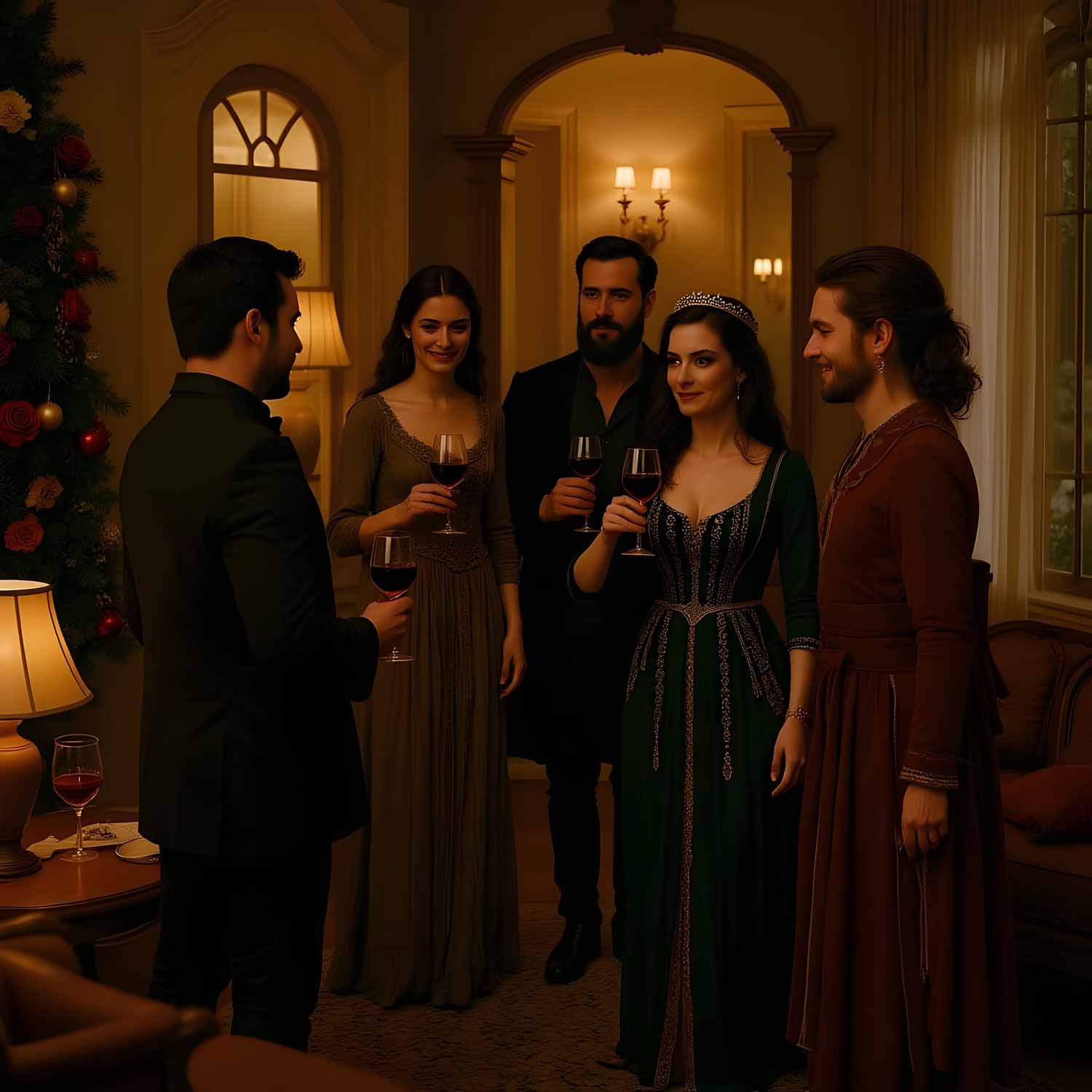
For a Mix & Mingle Mystery, where guests are on their feet and circulating, make sure the buffet is accessible from the very start of the evening. Not "available at 8 pm" — available. Hungry guests cluster in corners. Fed guests mingle.
Give Shy Guests a Job
Not everyone arrives at a party feeling socially fearless. Some guests, perfectly lovely and entirely willing to have a good time, need a tiny bit of structure to help them across the threshold.
The character format of a murder mystery is, in this respect, a gift.
When someone has a character to play, they don't have to be themselves when making conversation; they can be Duchess von Hartwell making conversation, and that is, for many people, considerably more achievable. The character is an excuse. A licence. A reason to approach someone across the room and ask about their alleged whereabouts without it feeling weird.
As a host, you can amplify this by making sure everyone understands their character before the game begins, not just the name and the backstory, but who they have a connection with. The Murder In The House character booklets handle this, but it's worth flagging for your guests. "You and Jamie are old rivals. Ask him about the incident in Vienna" is a better opening line than "mingle."
Give shy guests a job: an alibi to confirm, a suspect to interrogate, a secret to guard. The job gives them somewhere to be, something to do, and something to talk about. The rest follows.
Don't Let the Game Swallow the Party
Here's a tension that every murder mystery host navigates, whether they realise it or not: the game and the party are both trying to happen at once, and they don't always want to cooperate.
The game wants focus. It wants people to read their clues, interrogate suspects, and build theories. The party wants ease. It wants people laughing, refilling glasses, having the kind of rambling conversation that goes entirely off-topic for twenty minutes and then comes back better.
The secret is not to fight this. Let them coexist.
The round structure of both the Dinner Party and Mix & Mingle formats is designed to give you natural breathing points. Between rounds, give people time to just be. To eat, drink, catch up, and laugh about what's happened so far. Don't rush straight to the next envelope the moment the previous one has been distributed. Let the game breathe, and the party will too.
The investigation is the skeleton. The party is the whole body.
The Right Music Does Half the Work
Underestimated. Chronically.
A well-chosen playlist creates an atmosphere in a way that nothing else quite can. It fills silence without demanding attention, it signals the mood you're after, and it does this continuously, in the background, for the entire evening.
For a formal dinner party mystery, something in the jazz-lounge-and-old-Hollywood vein works beautifully. For a Gothic manor game, something darker and atmospheric. For a ski lodge murder or a more contemporary setting, the rules are looser, go with what feels right.
What you want to avoid is either silence (which becomes oppressive by the second round) or something too loud, too distracting, or too familiar (nobody interrogates a suspect effectively when Bohemian Rhapsody comes on and everyone has to stop to sing it).
Keep the volume low enough that conversations happen easily. Let the music do its quiet, underestimated, terribly important work.
Have a Moment
Every party that people remember fondly had a moment. Sometimes it's planned. Sometimes it emerges entirely spontaneously. But there's always a moment, a point in the evening where everyone is laughing at the same thing, or gasping at the same revelation.
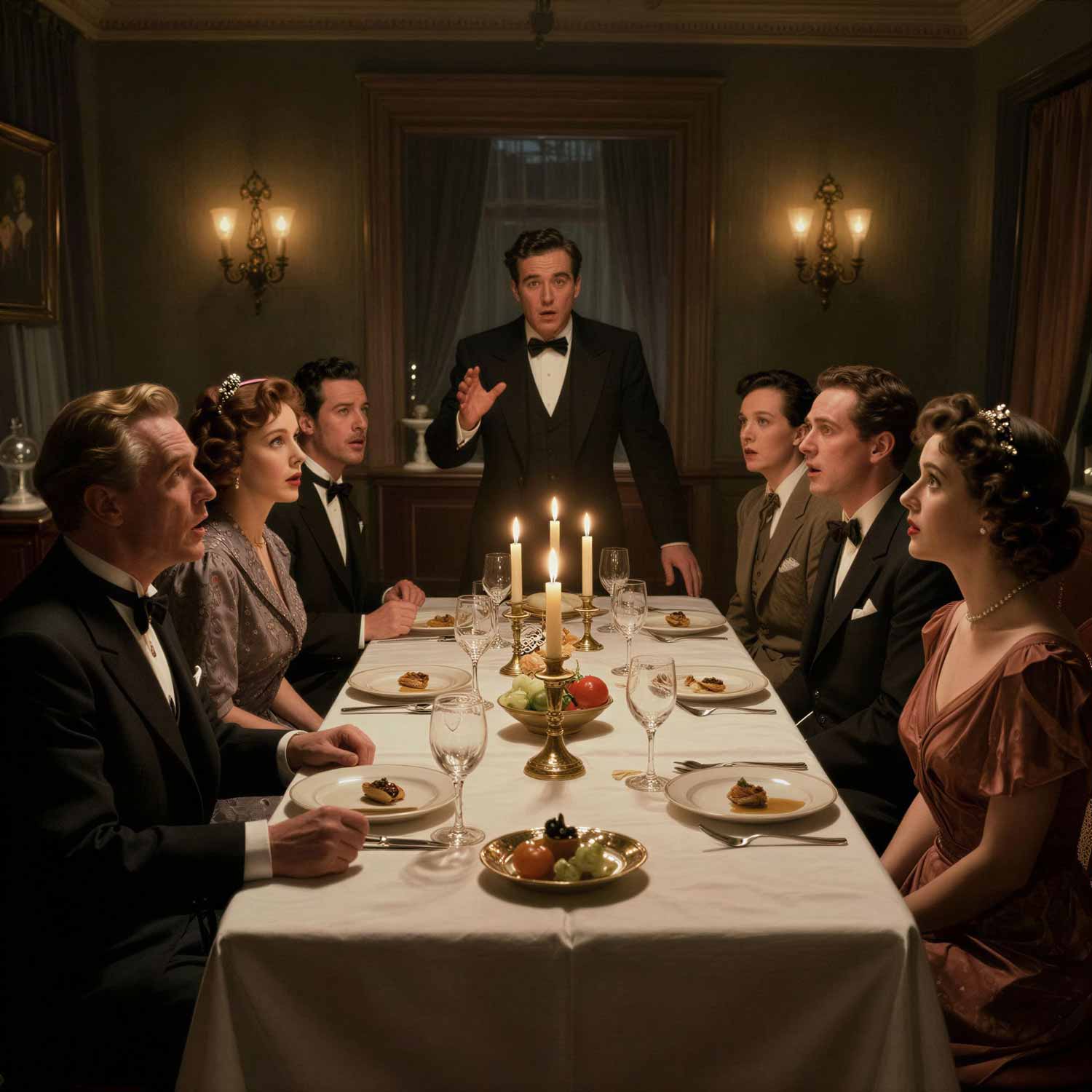
In a murder mystery, the natural candidate for this is the final accusation. When someone stands up, gathers their evidence, and announces with absolute confidence who the murderer is. The room goes quiet. Everyone leans in. And then either they're right, and there's a collective howl of delight, or they're spectacularly, entertainingly wrong, and there's an even bigger one.
But there are smaller moments too: the improbable alibi that no one believes. The reveal that two characters have a history no one knew about. The person who's been playing their character with such commitment that they stayed in character even when the round ended.
These are the moments people talk about afterwards. They can't be manufactured, but they can be made more likely by creating an atmosphere warm enough and loose enough for them to emerge naturally.
And that, really, is all atmosphere-building is. Not magic. Not expensive decorations or elaborate planning. Just the thoughtful, considered work of making people feel welcome, comfortable, and ready to let their guard down.
Do that well, and the party takes care of the rest.
Ready to create your perfect murder mystery evening? Browse our Dinner Party Games and Mix & Mingle Mysteries at Murder In The House — all downloadable, printable, and ready to play.