- Details
Ask a stage actor how much to rehearse and the answer will be “more”. Ask someone who has hosted a few murder mystery parties, and you will hear something closer to “less than you think”. That is largely because of one happy quirk of our games: the host usually doesn’t know who did it.
Read more: How Much Should You Rehearse Before Hosting a Mystery Night?
- Details
Long before anyone handed out fun-size chocolate bars, a child who knocked on a door at Halloween was expected to earn the reward with a performance. Guising, the Scottish and Irish custom that goes back to the 16th century, sent young people from house to house in costume to sing a song or tell a joke in return for whatever the household could spare. The word "trick" only wandered off course in North America, where by the 1920s it had come to mean pranks, and the party pieces were quietly dropped.
Read more: Trick or Treat... or Murder? Hosting a Halloween Mystery Night
- Details
At a quarter to ten on the night of the murder, Lady Hartwell was in the conservatory watering a fern. She has never watered anything in her life, and the fern has been dead since March. Your guests will pounce on that alibi within about four minutes, and the evening will be poorer for it. A good alibi survives questioning for long enough to make the whole table doubt itself, and writing one takes more craft than most hosts expect.
Read more: How to Write a Killer Alibi: Tips for Devious Hosts
- Details
Sherlock Holmes has a hat named after him, and Poirot has a moustache that could carry its own byline, yet the stories that outlast their authors are usually remembered for the person who did it. The villain is what gives a mystery its pulse. Take away a memorable culprit and what remains is an orderly afternoon of people examining footprints.
Read more: The Best Villains in Mystery Fiction (and What Makes Them Work)
- Details
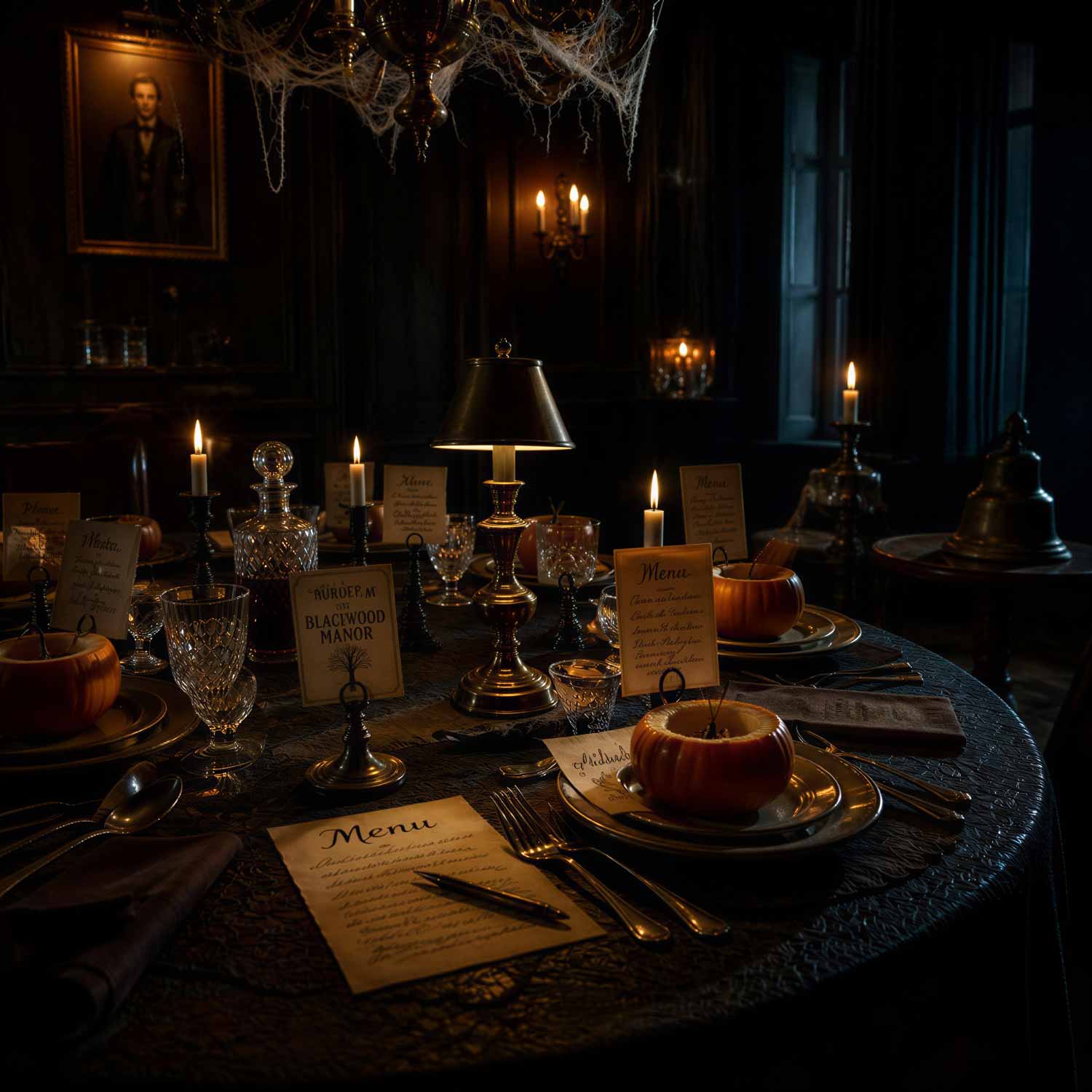
Most Halloween parties peak around the time the fun-size chocolates run out, after which the evening settles into a long stand in the kitchen holding a plastic cup. A murder mystery gives the night a plot, which is the one thing most seasonal gatherings forget to bring. Add a few touches of autumn theatre and the same evening becomes the kind of event guests mention at work on Monday.
Read more: Turning Your Mystery Night Into a Spooky Season Event
- Details
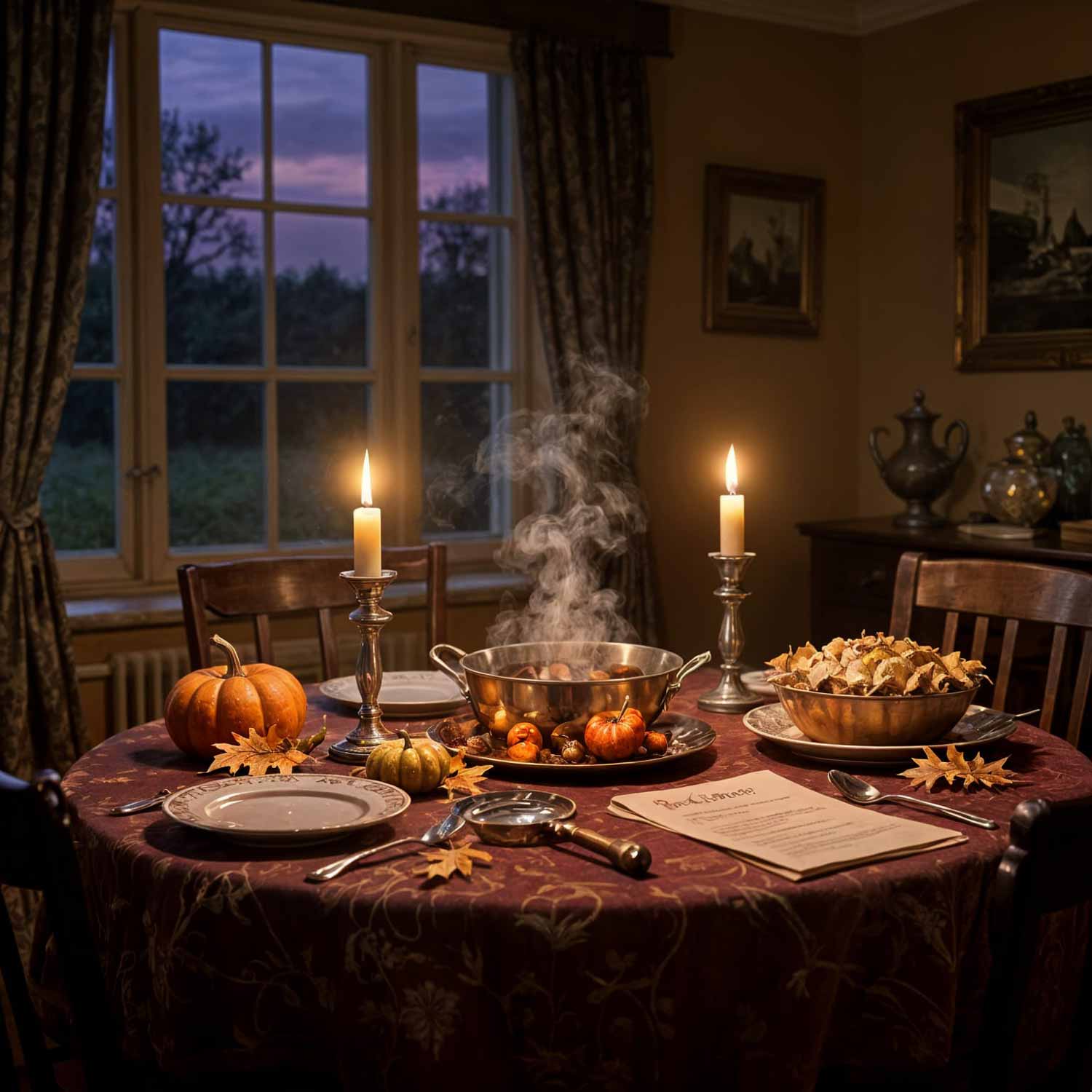
Sunset on Halloween this year arrives at around twenty to five in the afternoon across much of England, a timetable any self-respecting murderer would approve of. Hosts spend the summer asking guests to imagine it is midnight in a country house while sunshine pours through the kitchen window. October removes the need for imagination.
Read more: Looking Ahead: Why October is the Best Month for Mystery Parties
- Details
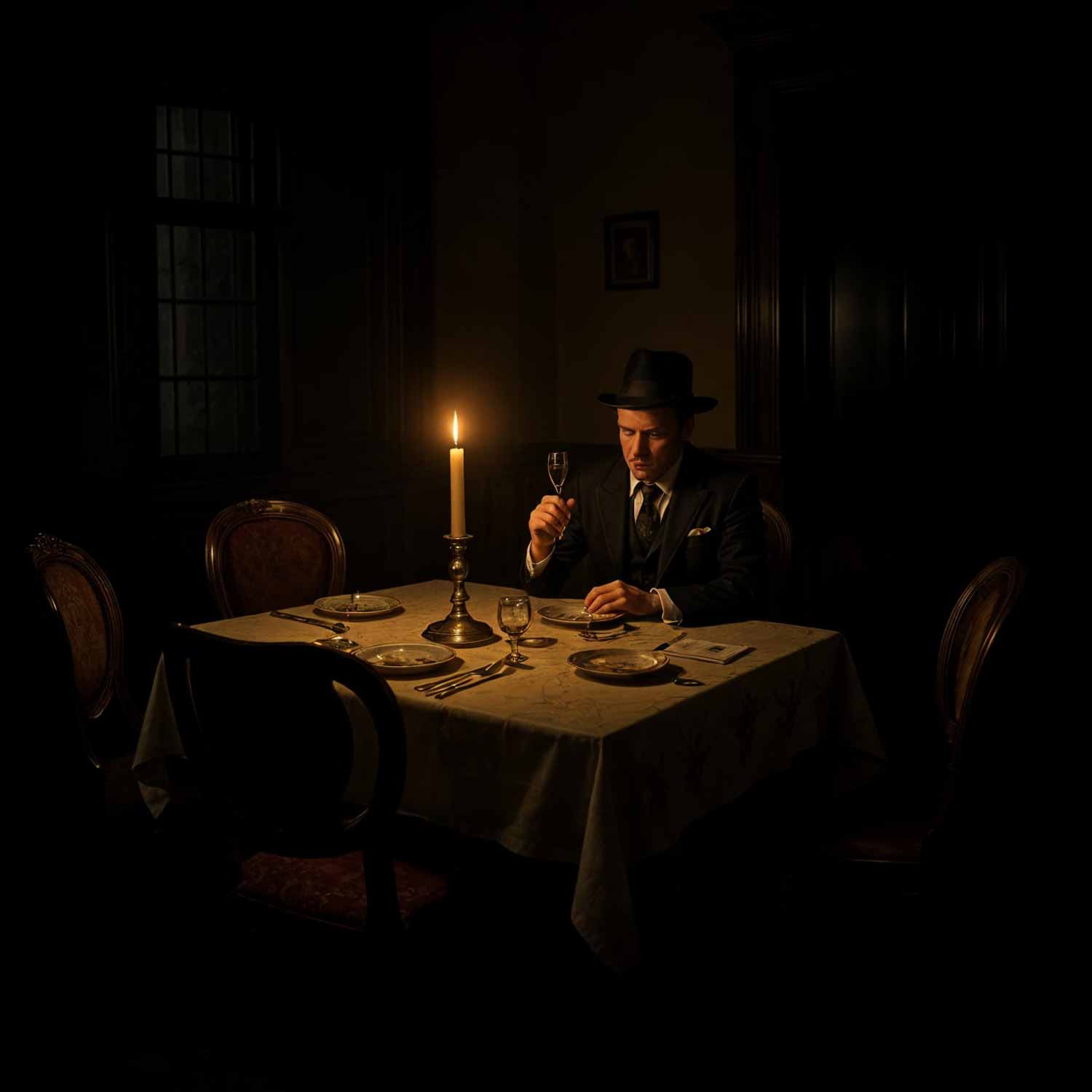
A customer emailed us last month asking whether she could play one of our games by herself. Not "with a couple of friends over video call" or "with my partner and nobody else." Alone, on a Tuesday evening, with a glass of wine and no company beyond whoever the victim turned out to be. It's a fair question, and one that comes up more often than you'd think, especially now that solo-solve puzzle books like Murdle have shown just how many people enjoy playing detective without needing anyone else in the room.
Read more: Solo Play vs Group Play: Can Murder Mysteries Work for One?
- Details
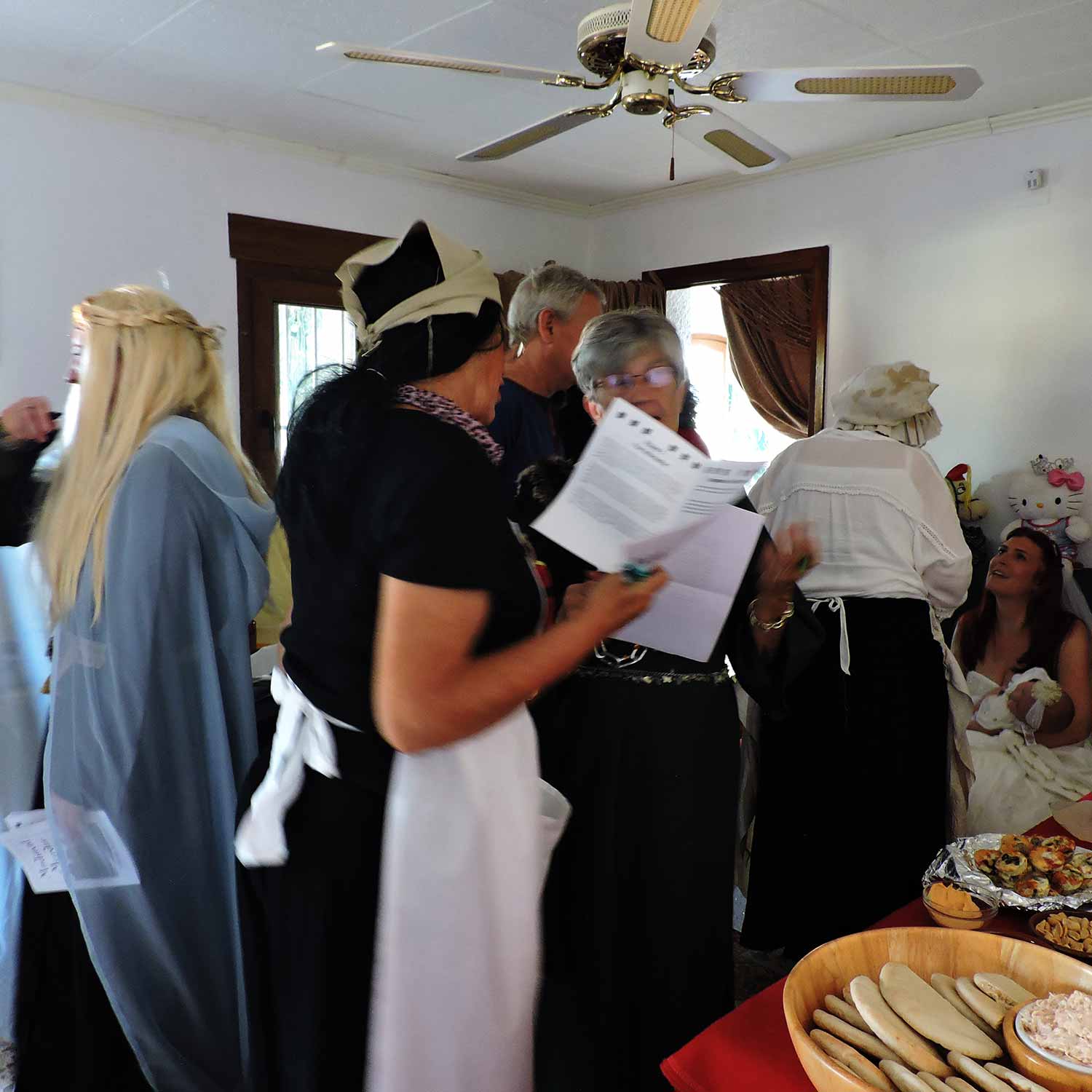
Your first murder mystery party teaches you things no instruction booklet ever could, usually while the pasta is going cold and someone's asking why their character has a secret but no obvious reason to keep it. Hosting one for the first time is a bit like directing a play where none of the actors has read the script and half of them are holding wine glasses. It nearly always works out. It just rarely works out the way you pictured it at the planning stage. Here are the ten things new hosts forget most often, along with the fixes that stop them from becoming a problem on the night.
Read more: 10 Things First-Time Mystery Hosts Always Forget (and How to Fix Them)
- Details
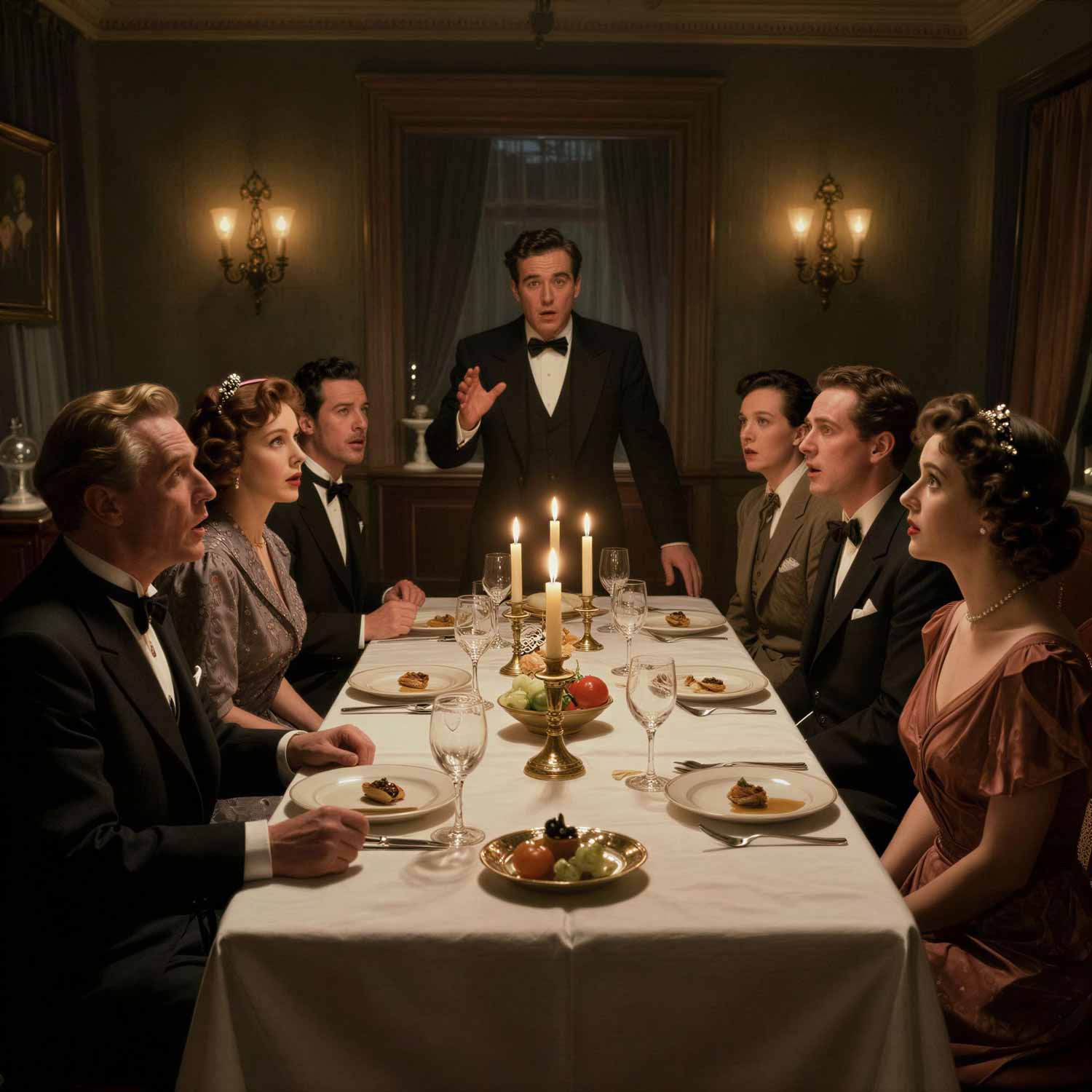
Every murder mystery night builds toward one moment. Two hours of clues, alibis, and pointed remarks about who really needed that inheritance all set up the reveal. Get it right, and your guests will talk about it for months. Get it wrong and the whole evening deflates in the space of a sentence.
Read more: The Art of the Reveal: How to Nail Your Mystery Game's Final Scene
- Details
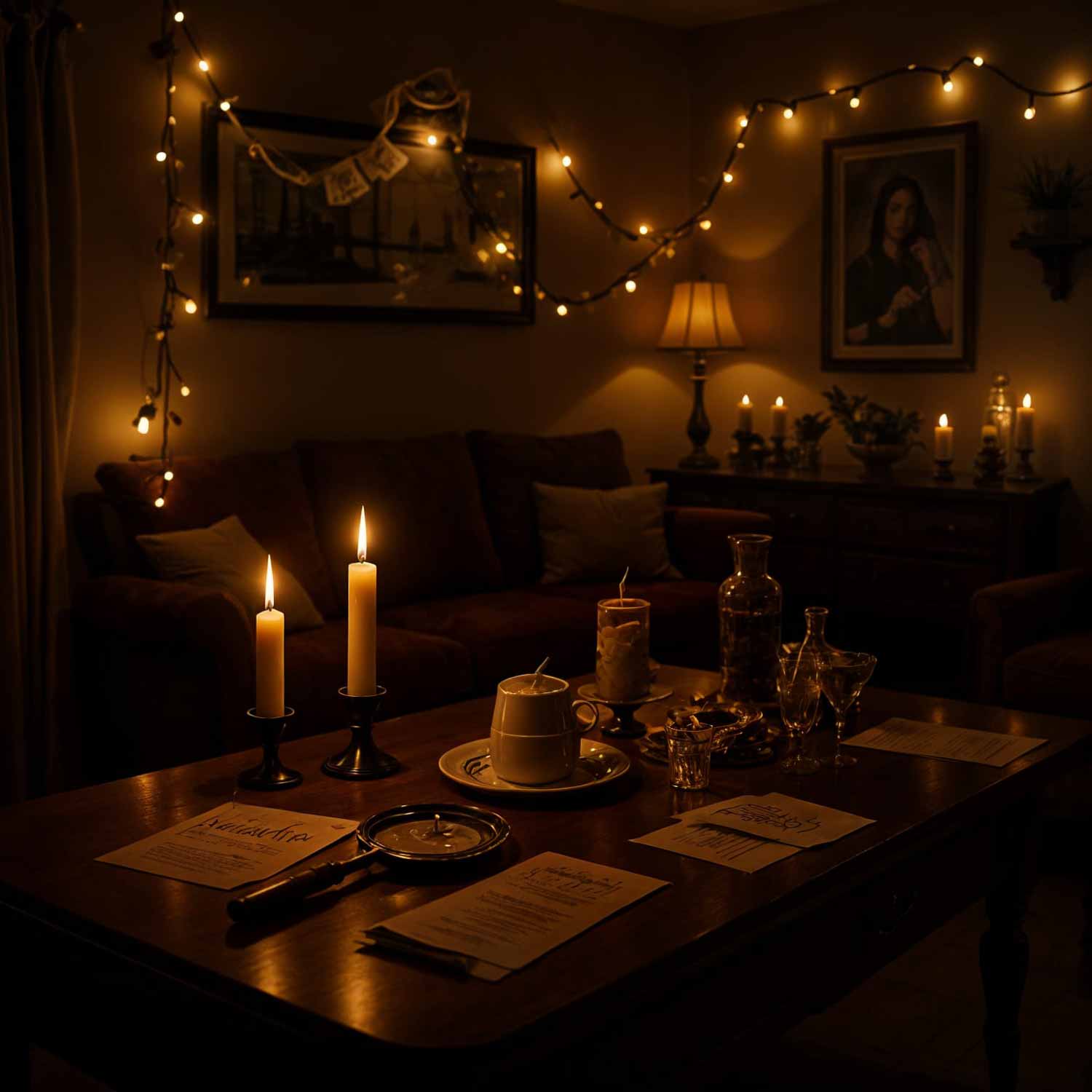
There's a persistent myth that a good murder mystery night needs a manor house, a wardrobe full of Victorian mourning wear and a caterer on speed dial. It doesn't. Some of the best mystery parties we've heard about were held in one-bed flats with charity shop props and a playlist doing most of the atmospheric heavy lifting. Here's how to host one without spending as if you've just inherited a fortune from a suspicious uncle.