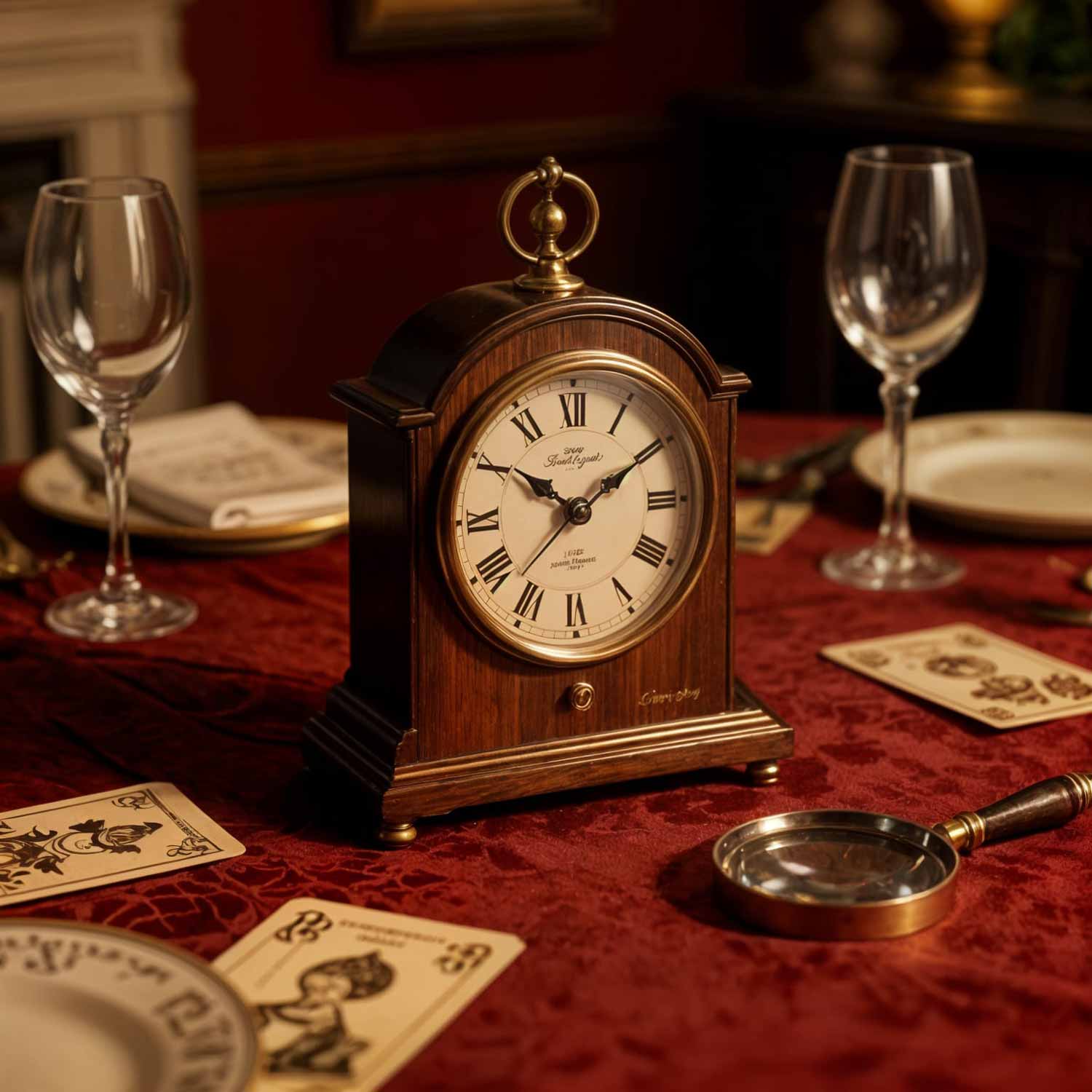
A customer emailed us last month asking whether she could play one of our games by herself. Not "with a couple of friends over video call" or "with my partner and nobody else." Alone, on a Tuesday evening, with a glass of wine and no company beyond whoever the victim turned out to be. It's a fair question, and one that comes up more often than you'd think, especially now that solo-solve puzzle books like Murdle have shown just how many people enjoy playing detective without needing anyone else in the room.
So let's answer it properly, because the honest answer isn't a simple yes or no.
What a murder mystery party is built on
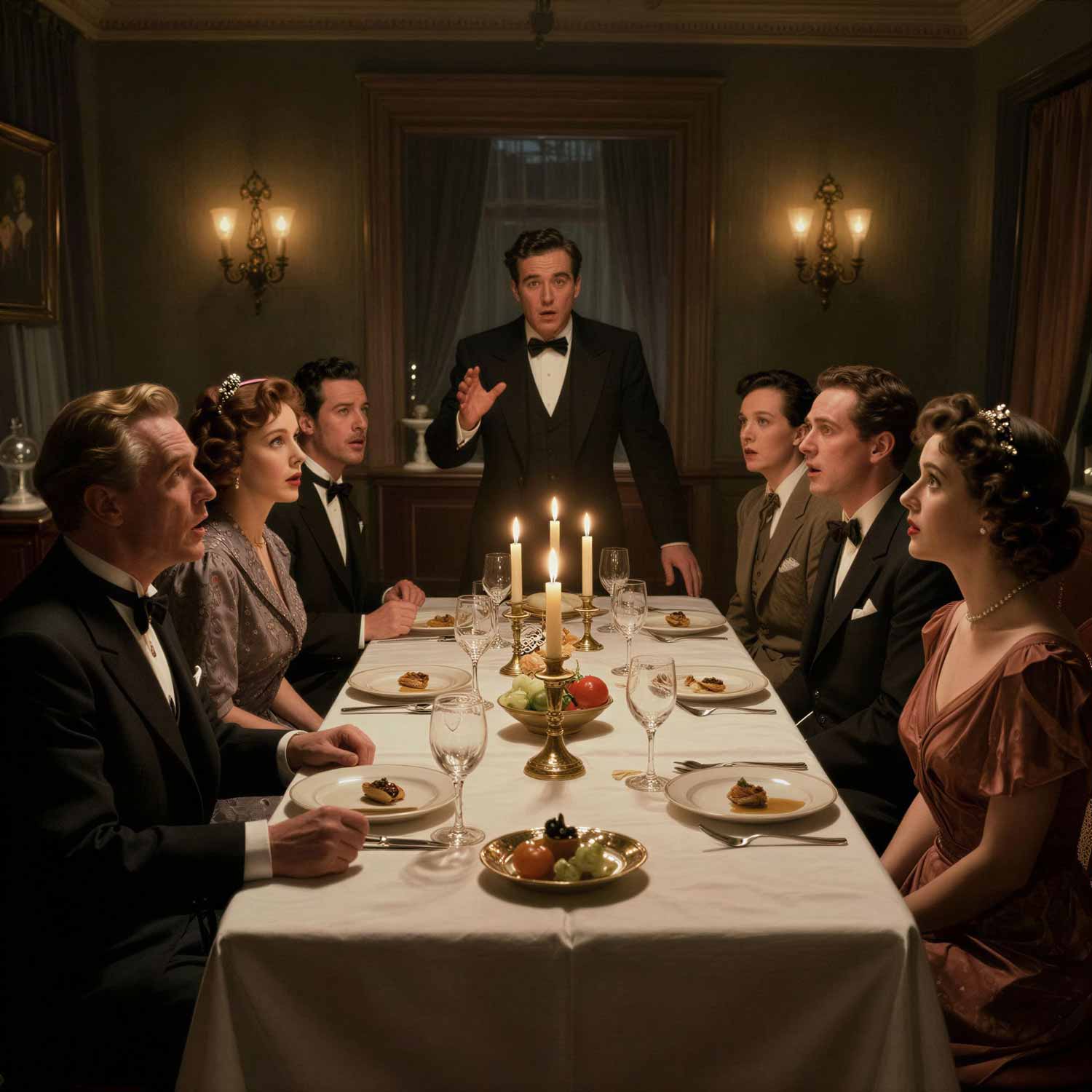
The games we write aren't logic puzzles dressed up in Victorian costume. They're built on conversation, bluffing, and the joy of watching your normally sensible accountant friend accuse the vicar of murder with total conviction. The host plays a character too, discovering the culprit alongside everyone else rather than pulling strings from behind a curtain. Take away the other players, and you haven't made the game smaller. You've removed what makes it a game.
Every clue in a Dinner Party Games script is designed to be revealed through a person, delivered with a raised eyebrow or a suspicious pause, argued over by a table of people who've each been handed a different piece of the truth. A murder mystery party works because nobody has the full picture and everybody's trying to bluff their way past the gaps in their own alibi. Strip that away, and you're left with a script that reads more like a screenplay nobody's performing.
Where solo mystery-solving genuinely works
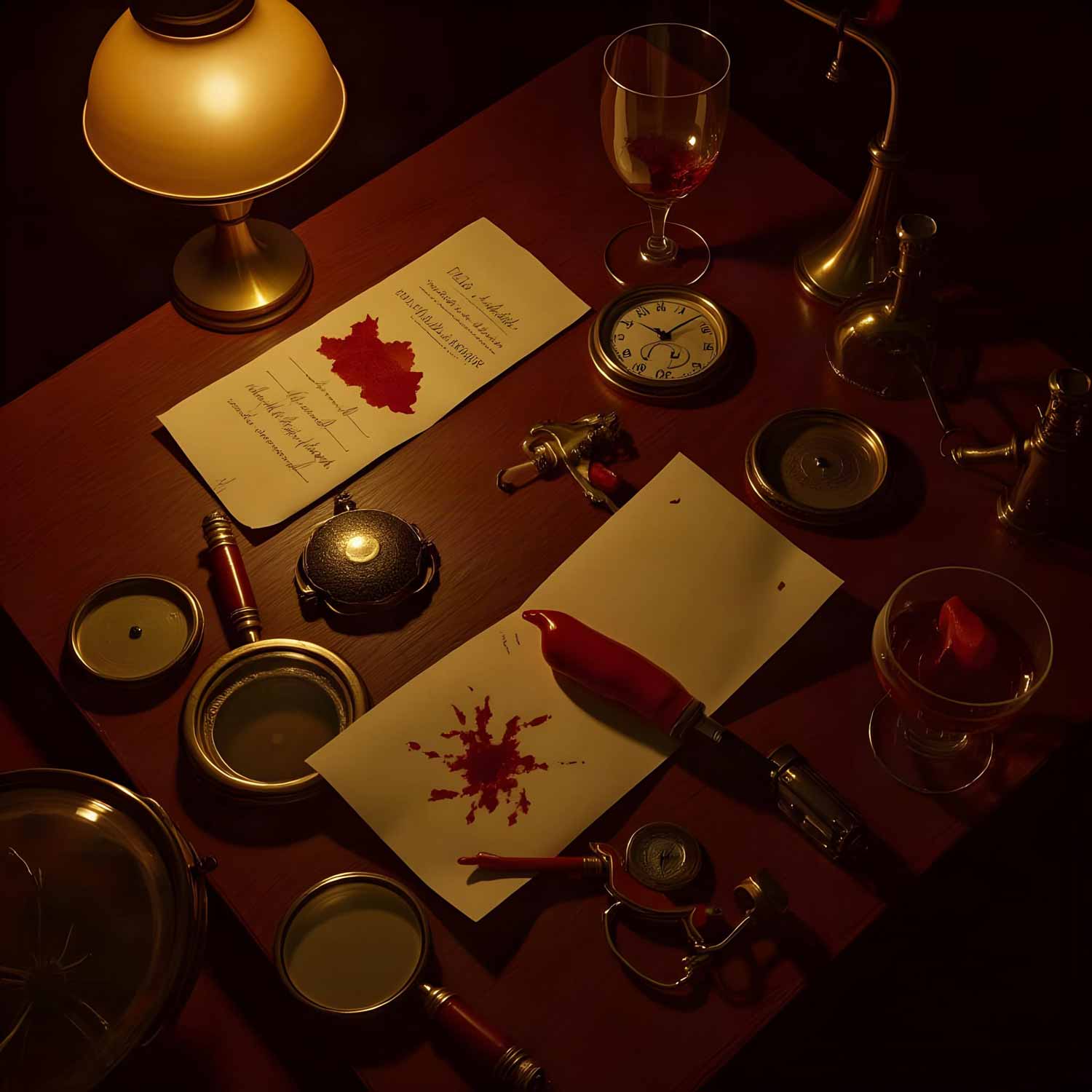
None of this means solo detective work is a lost cause. Puzzle books built around logic grids and deduction chains give you exactly what a party game can't: a fair, self-contained puzzle where every clue is on the page and the fun comes from working it out in your own head. Interactive crime novels do something similar, handing you choices and letting the plot branch depending on what you decide to investigate. These formats are popular for good reason. They scratch the detective itch without needing a dining table full of people willing to commit to an evening of amateur dramatics.
The appeal there is genuinely different from ours. It's quiet, internal, and entirely under your control. Our games are loud, social, and depend on other people being unpredictable in ways a puzzle book never will be.
The smaller-than-you'd-expect middle ground
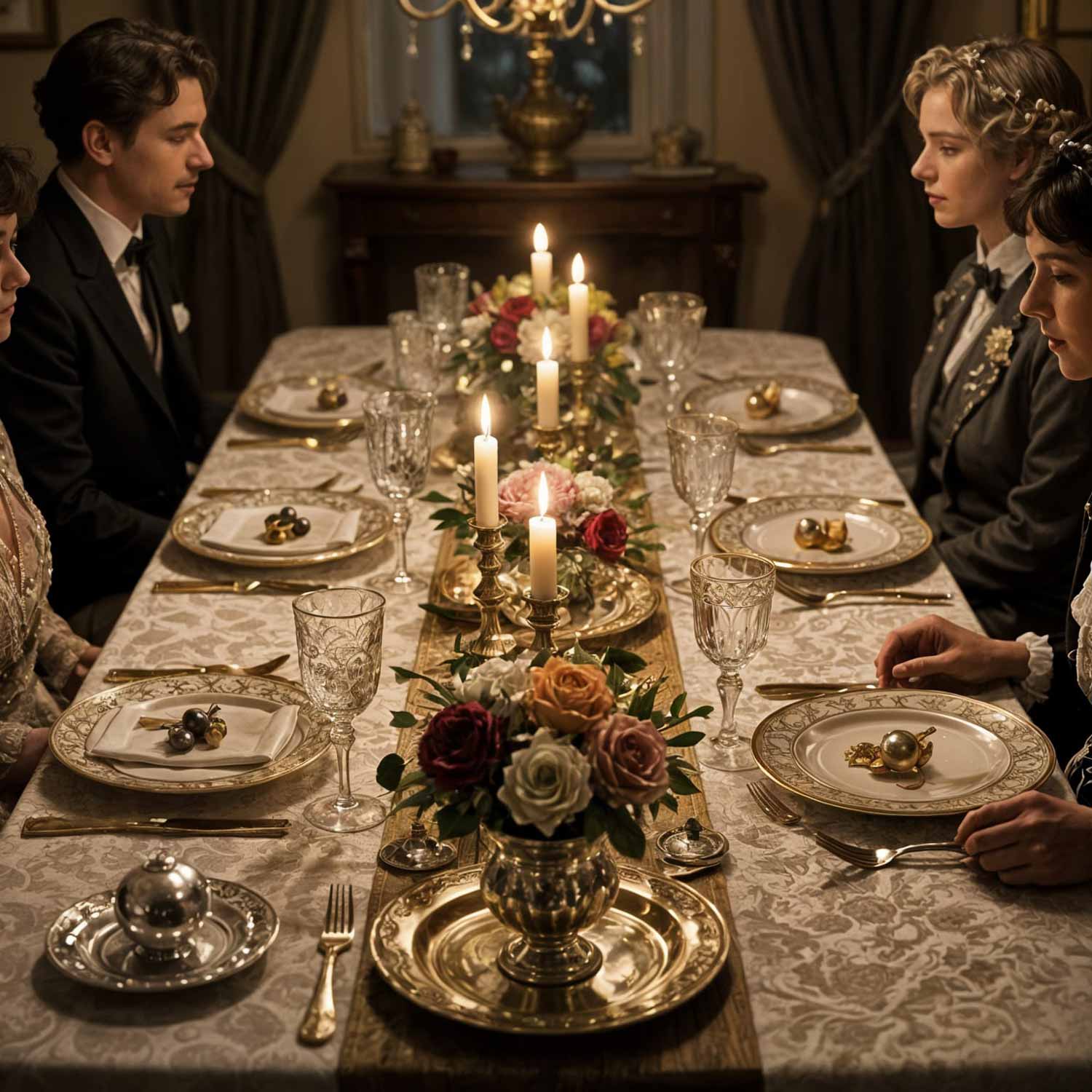
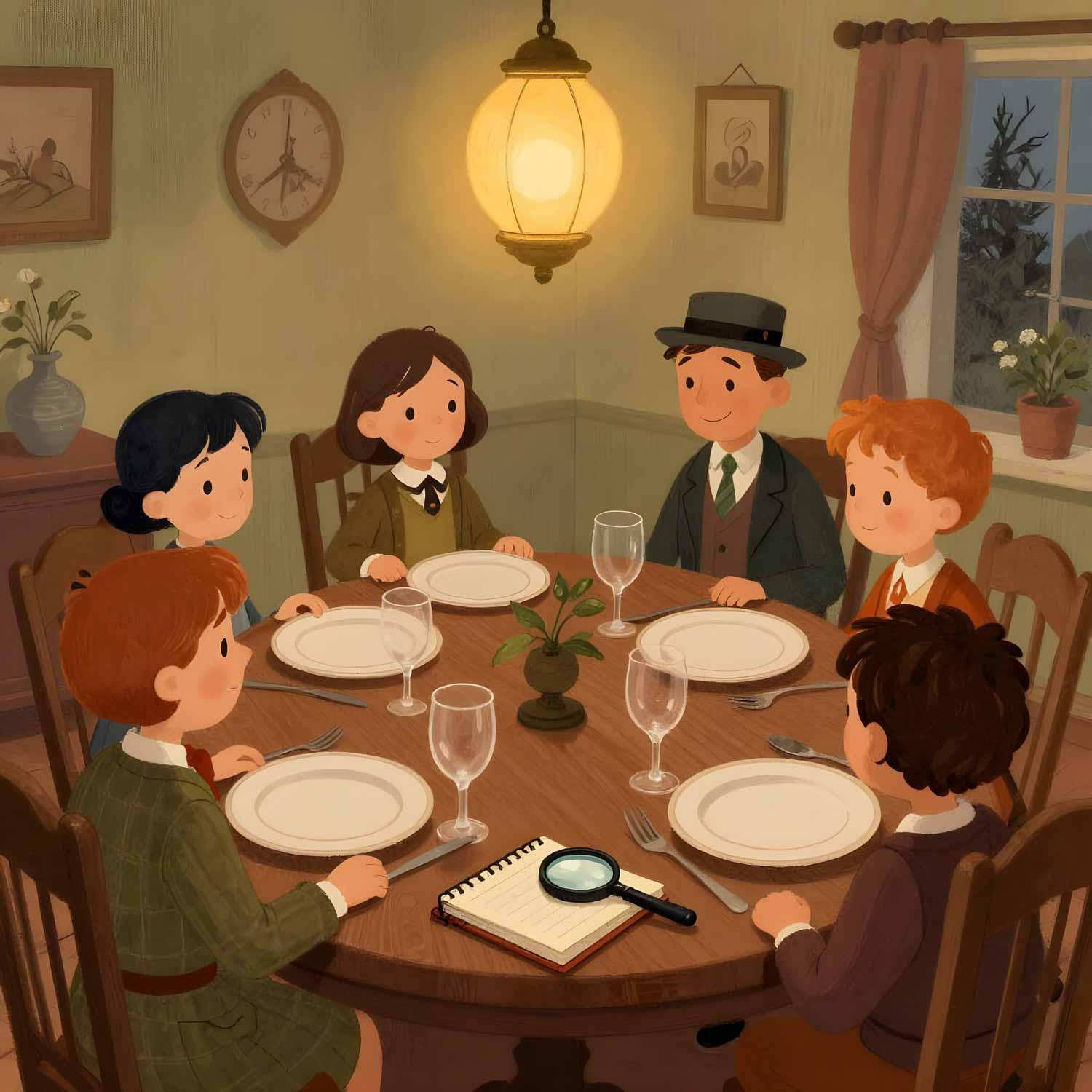
Where things get more interesting is the space between "party of twelve" and "party of one." Our Mix & Mingle format was designed with flexibility in mind, and several of our titles work perfectly well with a small handful of guests rather than a full dining room. Two or three couples around a kitchen table can still get the full experience of secrets, accusations, and a proper reveal at the end. If you've been putting off hosting because you assumed you needed a crowd, that assumption is worth revisiting.
There's also a version of solo engagement that doesn't involve playing the game as written. Some of our most dedicated customers read through a script on their own first, working out the solution before they ever host it, purely for the pleasure of seeing how the plot fits together. That's a legitimate way to enjoy a mystery on your own, even if it isn't quite "playing" in the traditional sense.
So, can it work for one?
Honestly, not in the format we build our games around. A murder mystery party needs other people the way a conversation needs more than one voice. What we'd suggest instead depends on what you're after. If it's the pleasure of piecing together clues and outsmarting a puzzle, a good deduction book will serve you far better than adapting a script meant for eight guests down to a party of one. If it's the atmosphere and drama of a proper whodunit evening, our advice is to lower the guest count rather than abandon the guest list altogether. Even a small gathering can deliver the accusations, the alibis, and the moment everyone turns to stare at whoever's gone suspiciously quiet.
The itch to play detective is real, and there's more than one way to satisfy it. Ours just happens to work best with company.