Every murder mystery night builds toward one moment. Two hours of clues, alibis, and pointed remarks about who really needed that inheritance all set up the reveal. Get it right, and your guests will talk about it for months. Get it wrong and the whole evening deflates in the space of a sentence.
The good news is that a strong reveal isn't about luck or a particularly dramatic guest. It's about structure. Here's how to make sure yours lands.
Slow down before you speed up
The instinct at the end of a long game is to rush. Everyone's had a few drinks, the food's long gone, and the evening feels like it should be wrapping up. Resist it. The reveal deserves its own pace, separate from the rest of the game.
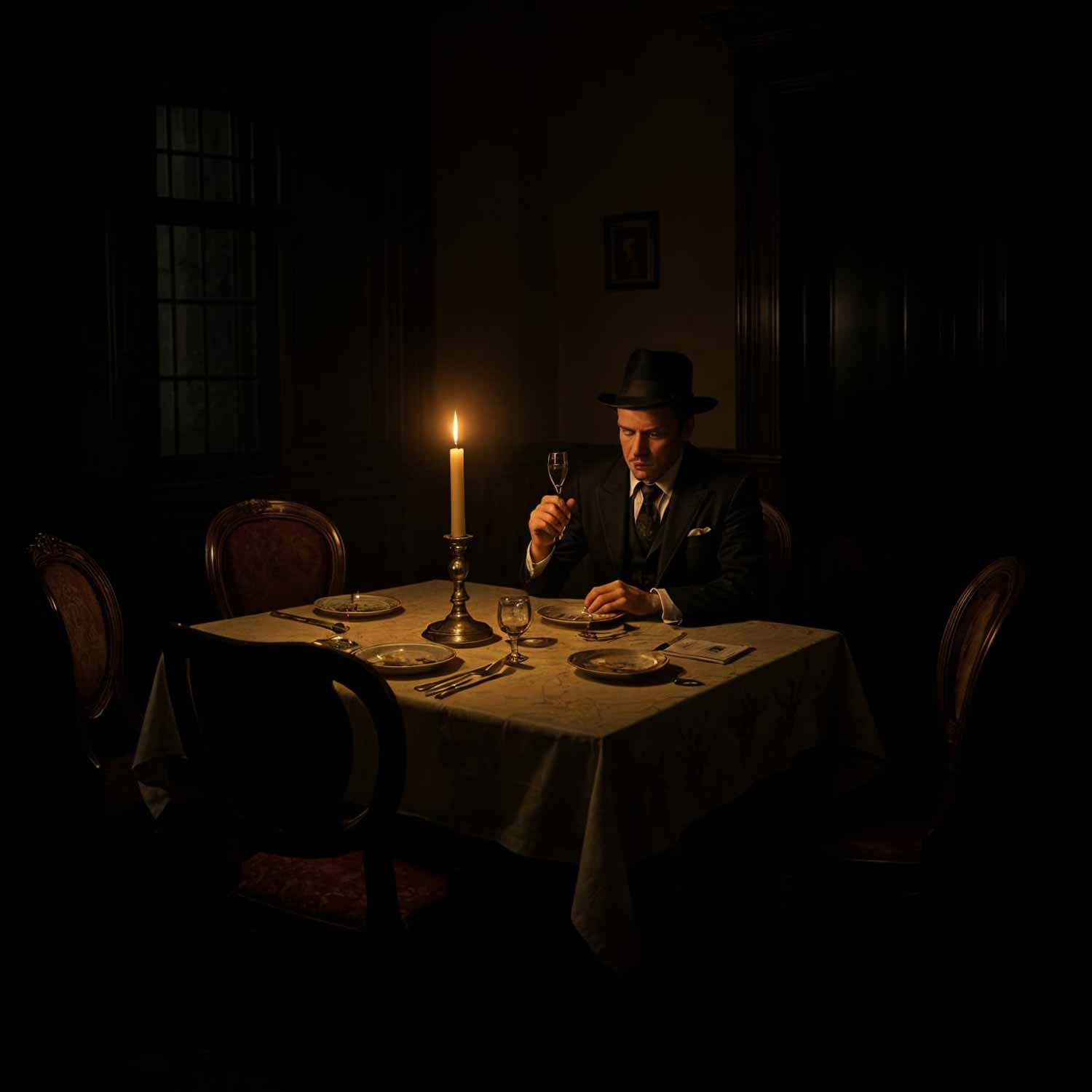
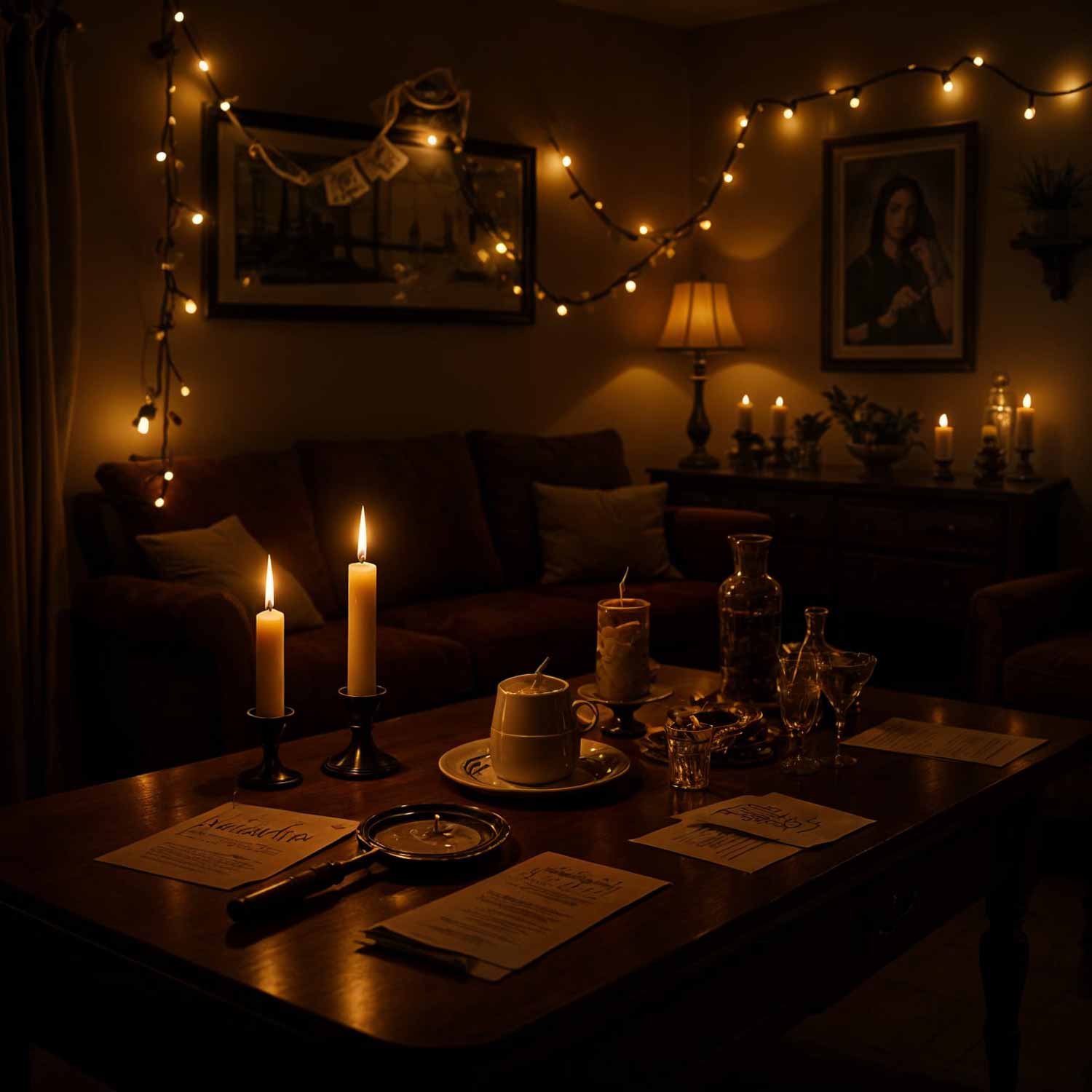
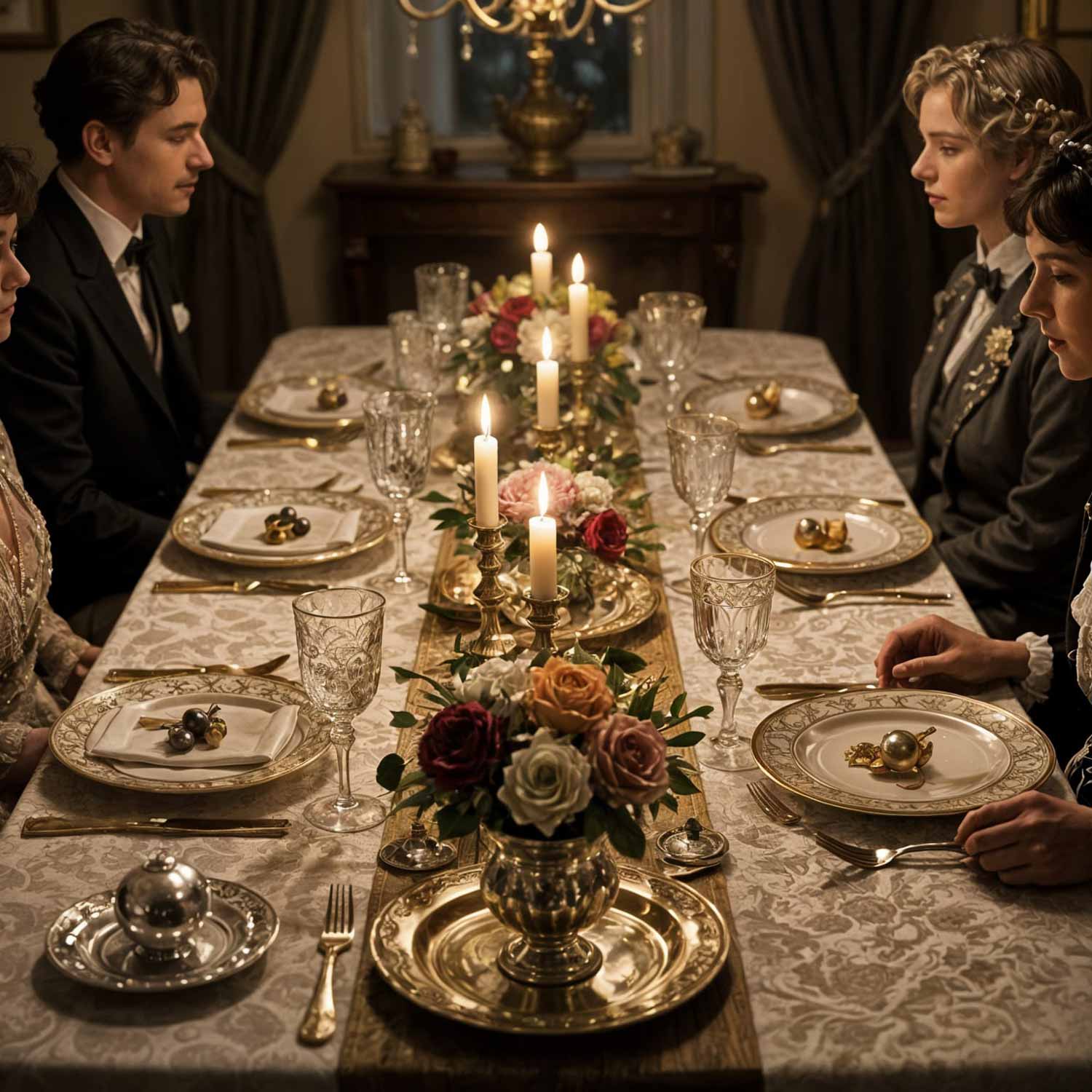
Give guests a clear signal that this is the final act. Dim the lights a touch further, ask everyone to take their seats, pour one last drink. A small ritual like this tells the table to stop chatting about work and start paying attention.
Let the guesses happen first
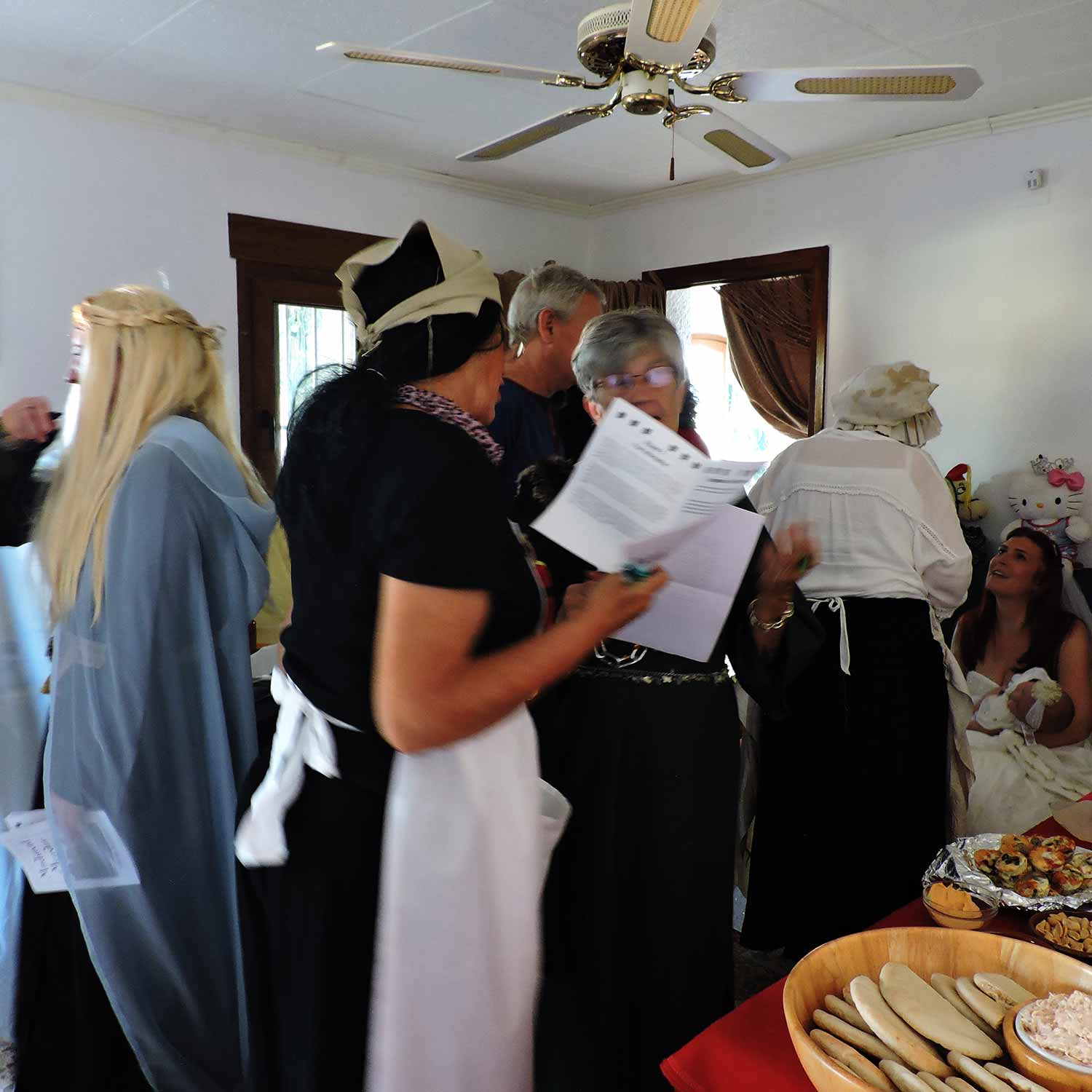
Before anyone announces the killer, go round the table and ask each guest for their verdict and their reasoning. This does two things. It gives everyone a moment in the spotlight, which matters after they've spent the whole evening building a character nobody else fully appreciated. It also means the actual reveal has something to play against. A confident wrong guess makes the truth land harder.
Don't skip guests who seem unsure. A shrug and "I genuinely have no idea" is still worth a laugh and a beat of suspense.
Build the reveal like a story, not a list
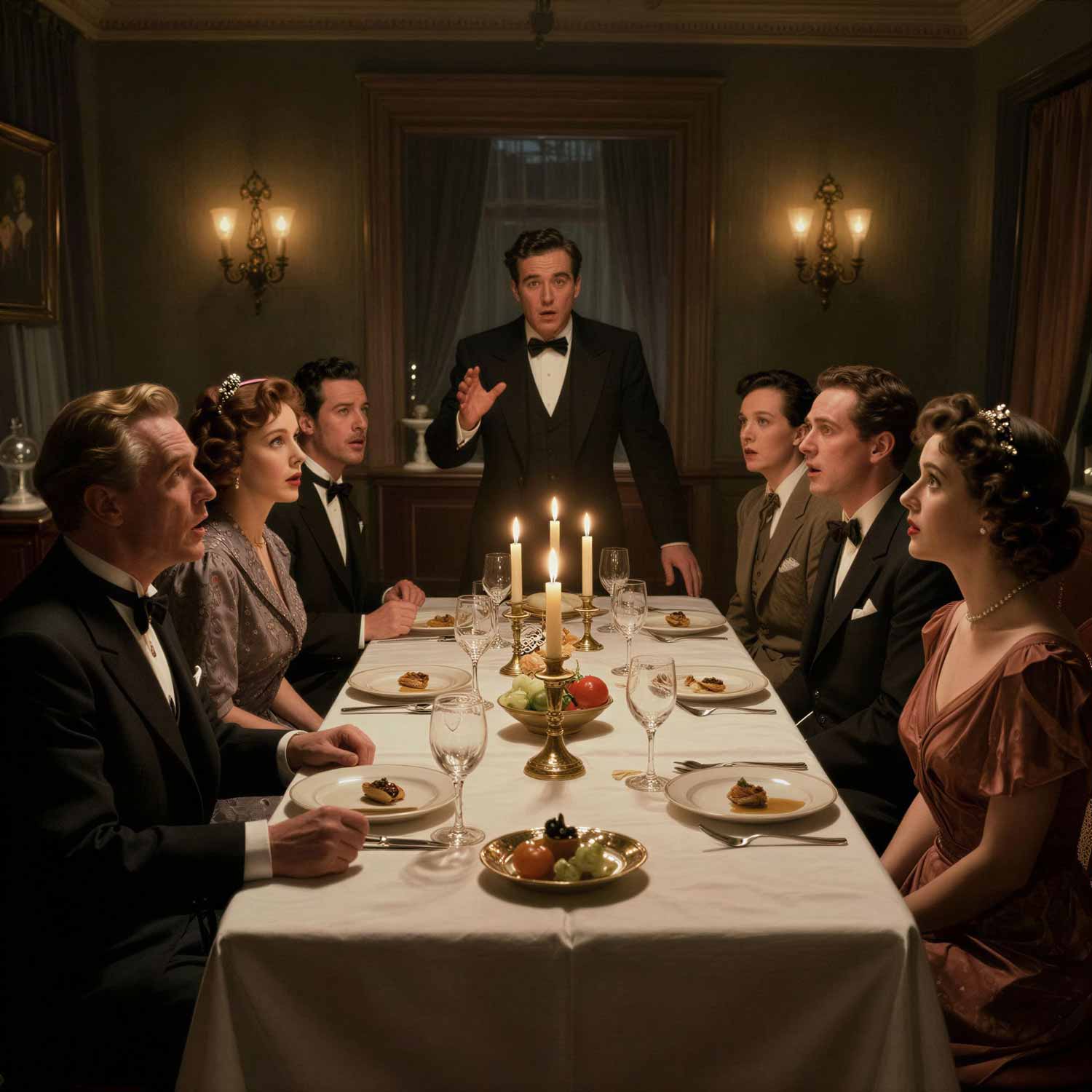
A good reveal walks back through the clues in an order that makes sense dramatically, rather than the order they were found. Start with the detail that seemed insignificant at the time. Move through the moment the story started to shift. Land on the piece of evidence that made the case airtight.
Avoid simply reading out a summary of what happened. The reveal is a scene, and scenes have momentum. If your game script includes a monologue for the killer, let it breathe. Pause where the pauses are written. A confession delivered too fast reads as an admin task rather than a climax.
Give the culprit their moment
Whoever is playing the killer has been holding a secret all night, often while being quietly suspected by everyone at the table. The reveal is their reward for that restraint. Encourage them to lean into it: a change in posture, a shift in tone, the dropping of whatever charm or deflection they've been using for the last two hours.
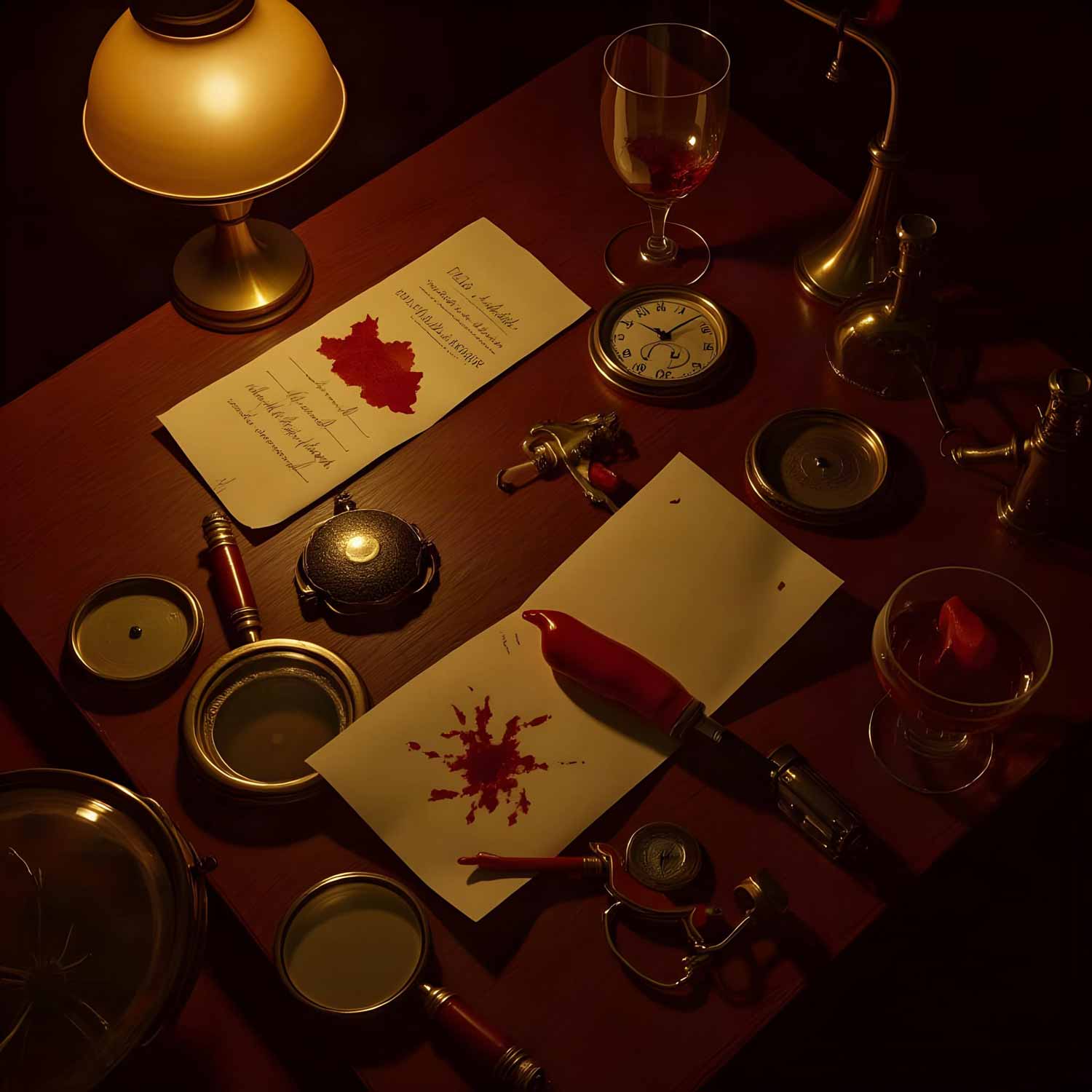
If your host script includes physical props, like a hidden weapon or a final piece of correspondence, this is the moment to produce them. Physical evidence at the reveal has more impact than physical evidence introduced earlier in the game, simply because guests have had two hours to build anticipation for it.
Handle a wrong guess with grace
Most tables don't land on the correct culprit on the first go, and that's fine. It shouldn't feel like a loss for the guests who guessed wrong. Frame it as part of the fun rather than a failure of deduction. A line like "you were closer than you think" or a quick nod to the clue that misled them keeps the mood warm rather than deflating.
The goal of the evening was never really to catch the killer. It was to spend a few hours being someone else, suspecting your friends, and enjoying the story. The reveal is where you remind everyone of that before the applause.
After the applause
Once the killer's been named, resist the urge to move straight to clearing plates. Leave a minute or two for guests to react, ask follow-up questions and compare notes on the clues they missed. This is often when the best conversation of the whole night happens, and rushing it away is a shame after everything that led up to it.
A strong reveal isn't complicated to run. It just needs space, pacing and a host willing to slow down at exactly the moment everyone else wants to speed up.