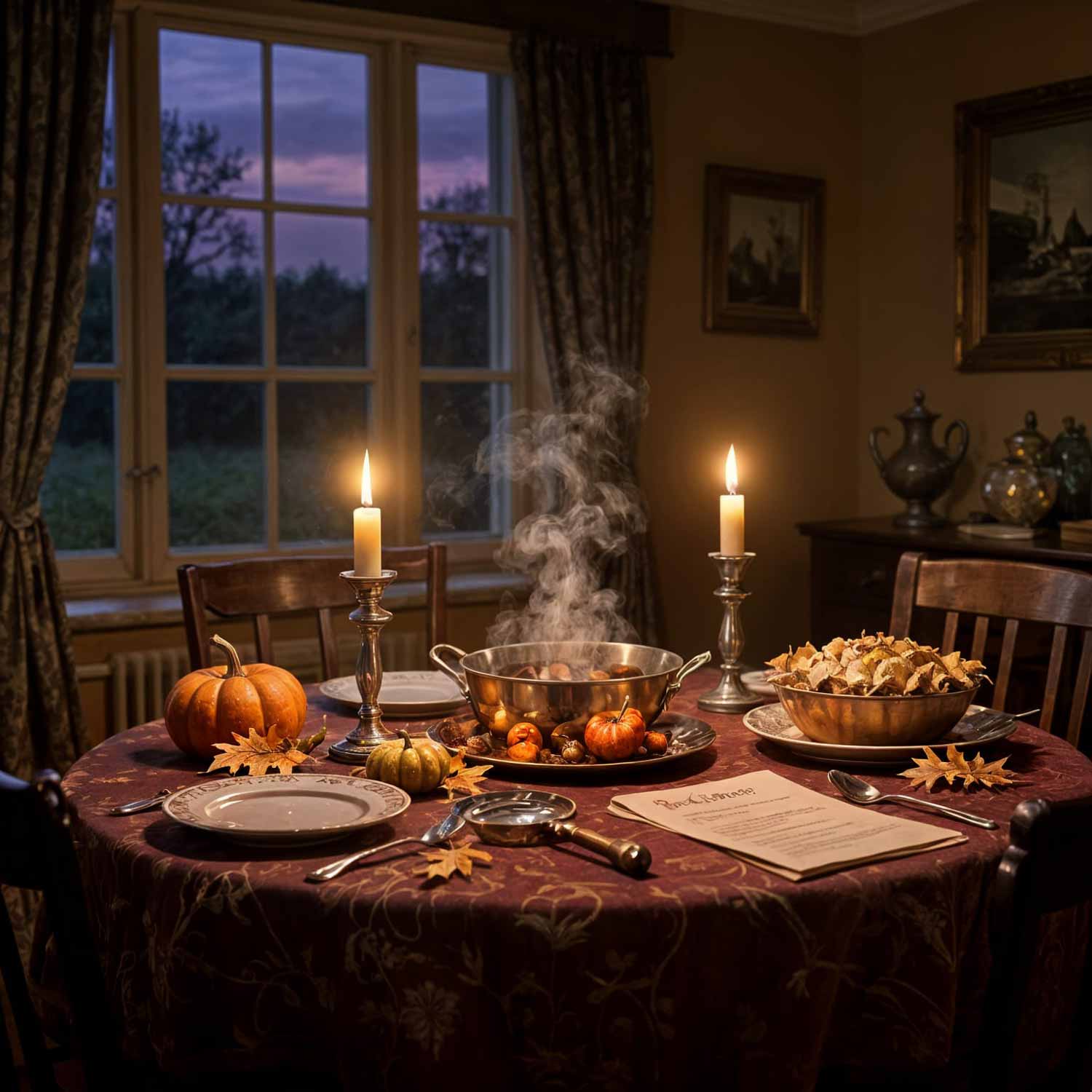
Nobody solves a crime properly under fluorescent strip lighting. Half the fun of a murder mystery night is stepping into another decade entirely, one where the suspects had better hats and worse alibis. Get the décor right and your guests do half the acting for you. They walk through the door, see the setting, and slip into character before you've even handed out the name badges.
Here are five eras that work brilliantly for a mystery party, along with the props and touches that make each one convincing without requiring a trip to a specialist costumier.
1. The Victorian Drawing Room
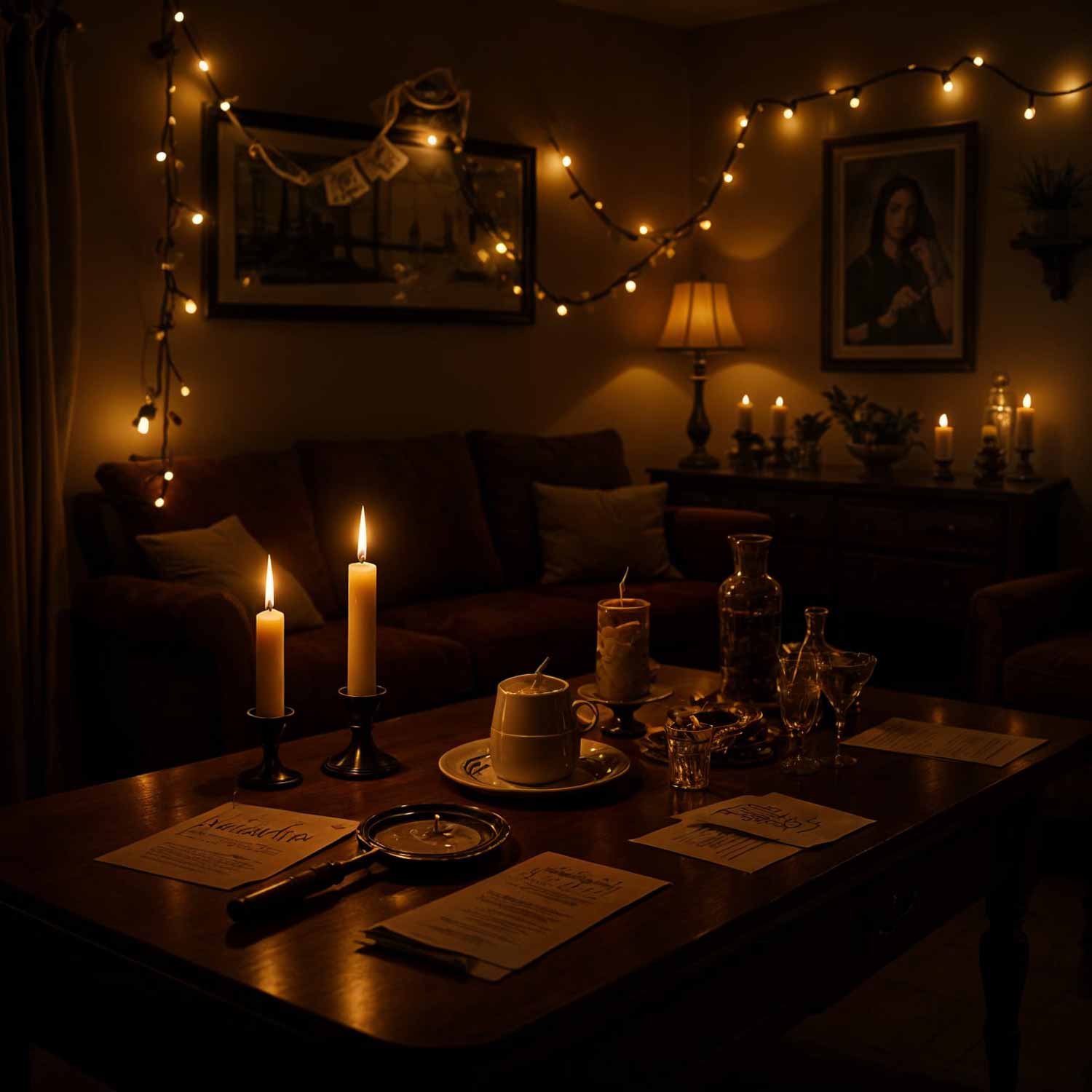
Think gaslight, heavy drapes, and the sort of parlour where secrets get whispered behind fans. This era rewards clutter. Lace tablecloths, dried flowers in vases, a few dusty leather-bound books stacked on a side table, and candles wherever you can safely put them.
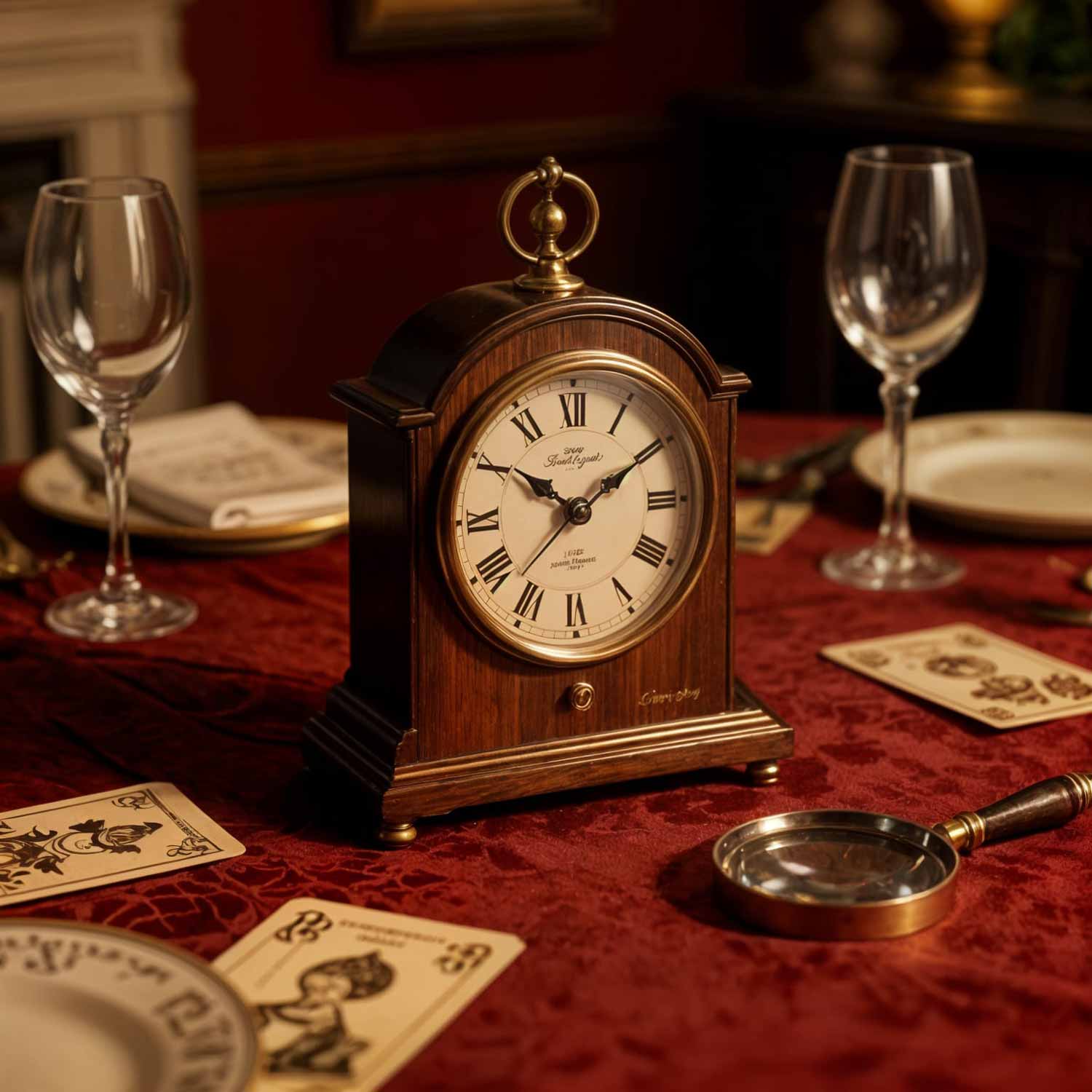
Lighting is doing most of the work here. Swap harsh overhead bulbs for lamps with warm, low-wattage bulbs, or go all in with battery-operated candles if naked flames and wandering guests don't mix. A mantelpiece clock stopped at a suspicious hour is a nice touch, as is a single black glove left "accidentally" on a chair arm.
2. The Roaring Twenties Speakeasy
Jazz Age glamour is a gift for hosts because the props are half the party. Strings of pearls, feather boas, playing cards scattered artfully across a table, and a gramophone (or a phone hidden in a vintage-looking box, playing the right playlist) all earn their keep.
Colour palette matters more than people expect. Black, gold, and deep emerald green read as unmistakably 1920s the moment guests walk in. A "bar cart" with mismatched glassware and a few prop cocktail shakers finishes the illusion, even if the drinks themselves are entirely soft.
3. Film Noir, 1940s
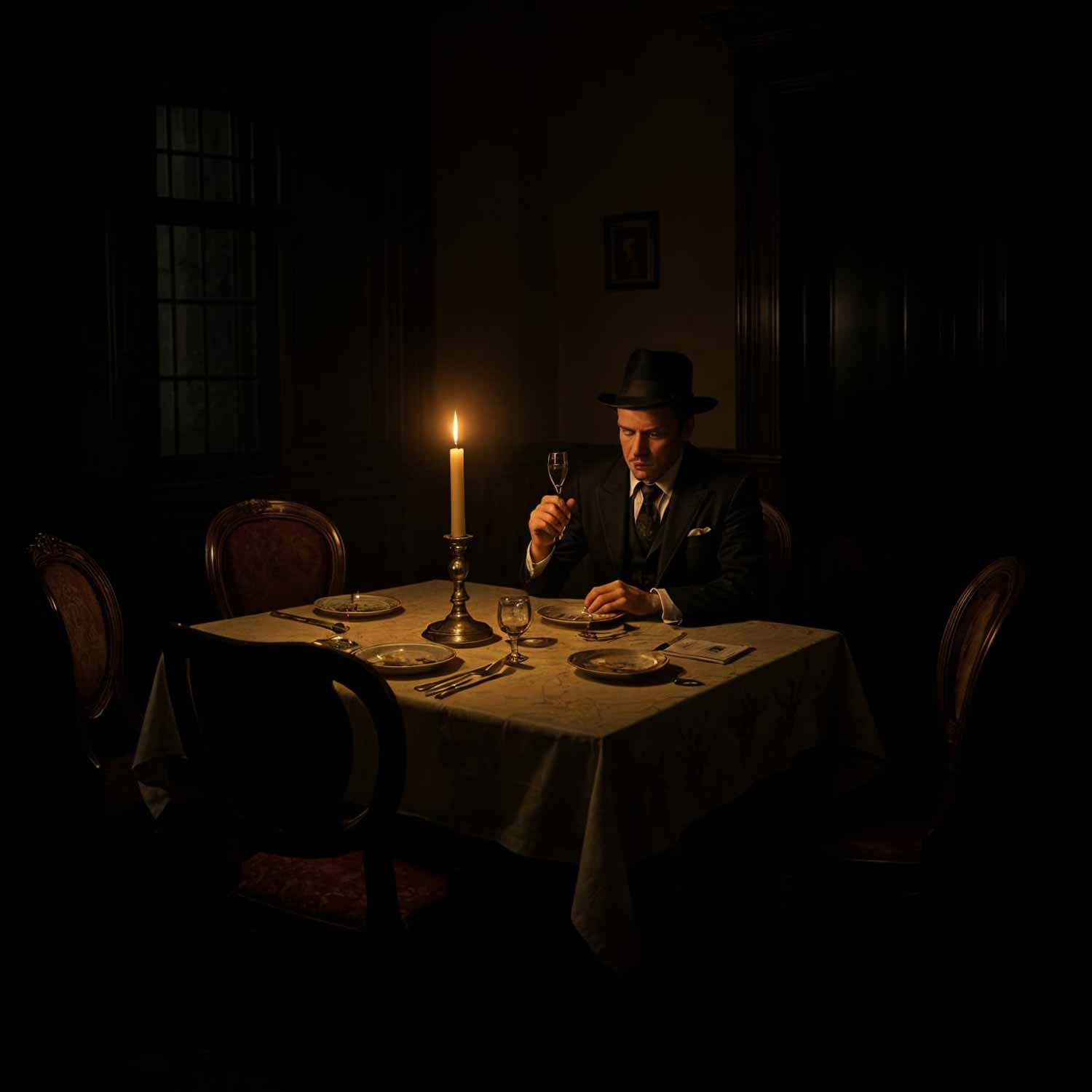
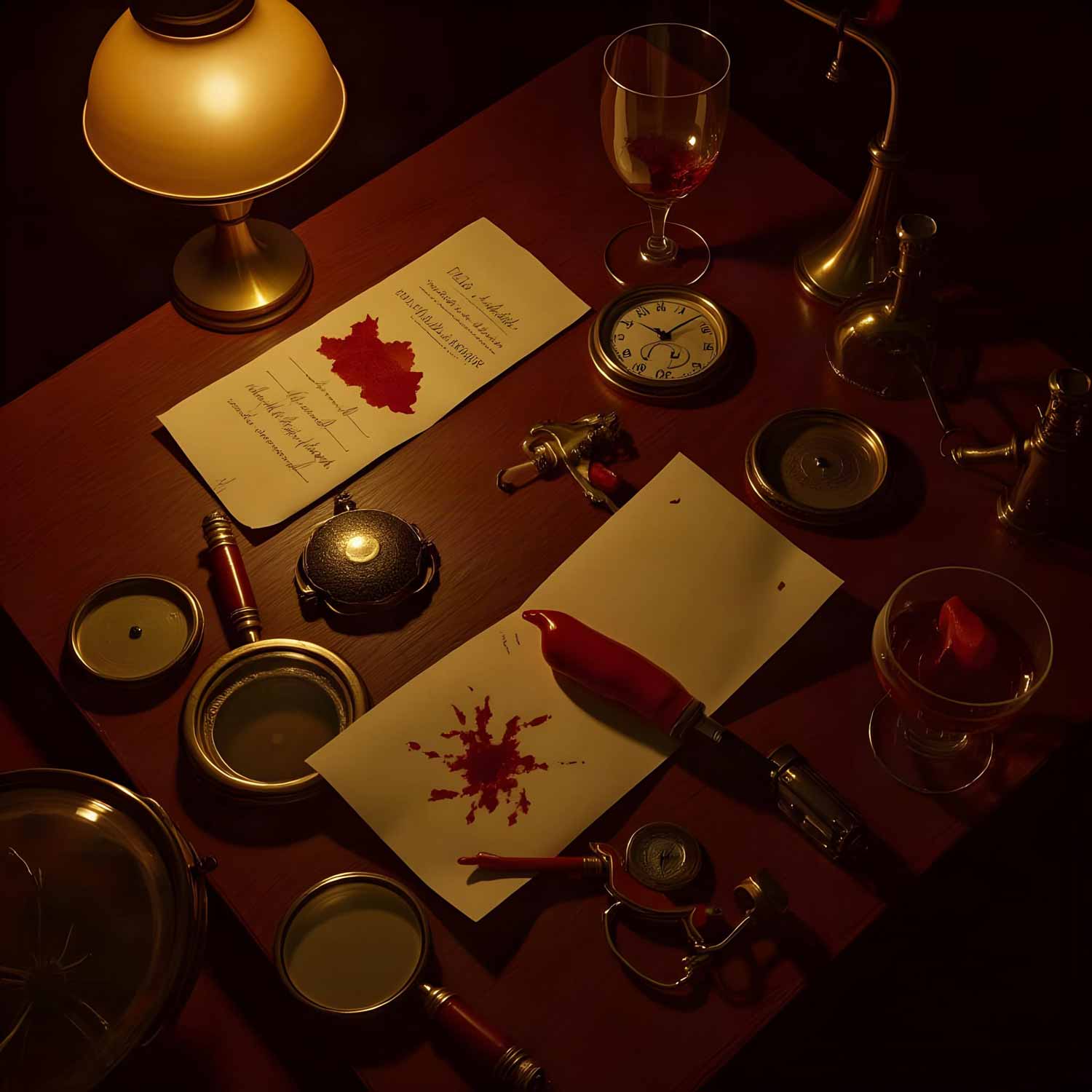
This is the era of shadows, trench coats, and detectives who trust nobody, least of all themselves. Lighting should be dim and directional. A desk lamp angled sharply, venetian blinds if you have them (or masking tape stripes on a window to fake the effect), and low-key table lighting all sell the mood.
Props are simple and iconic: a rotary telephone, a typewriter, a newspaper with a dramatic headline, and an ashtray or two for atmosphere rather than actual use. Black and white is the natural colour scheme, so if your usual dinnerware runs to bright florals, this is the night to hide it.
4. The Edwardian Country House
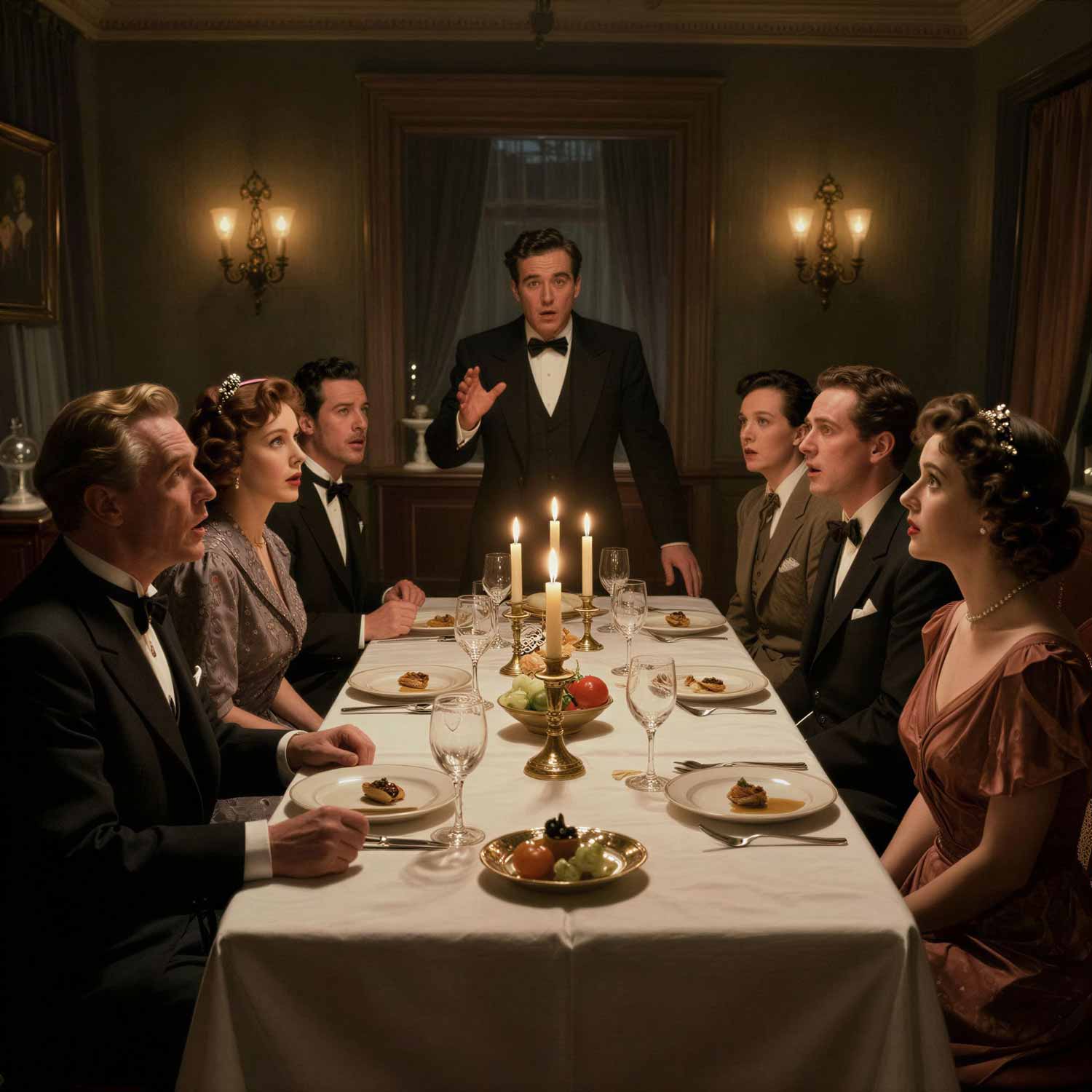
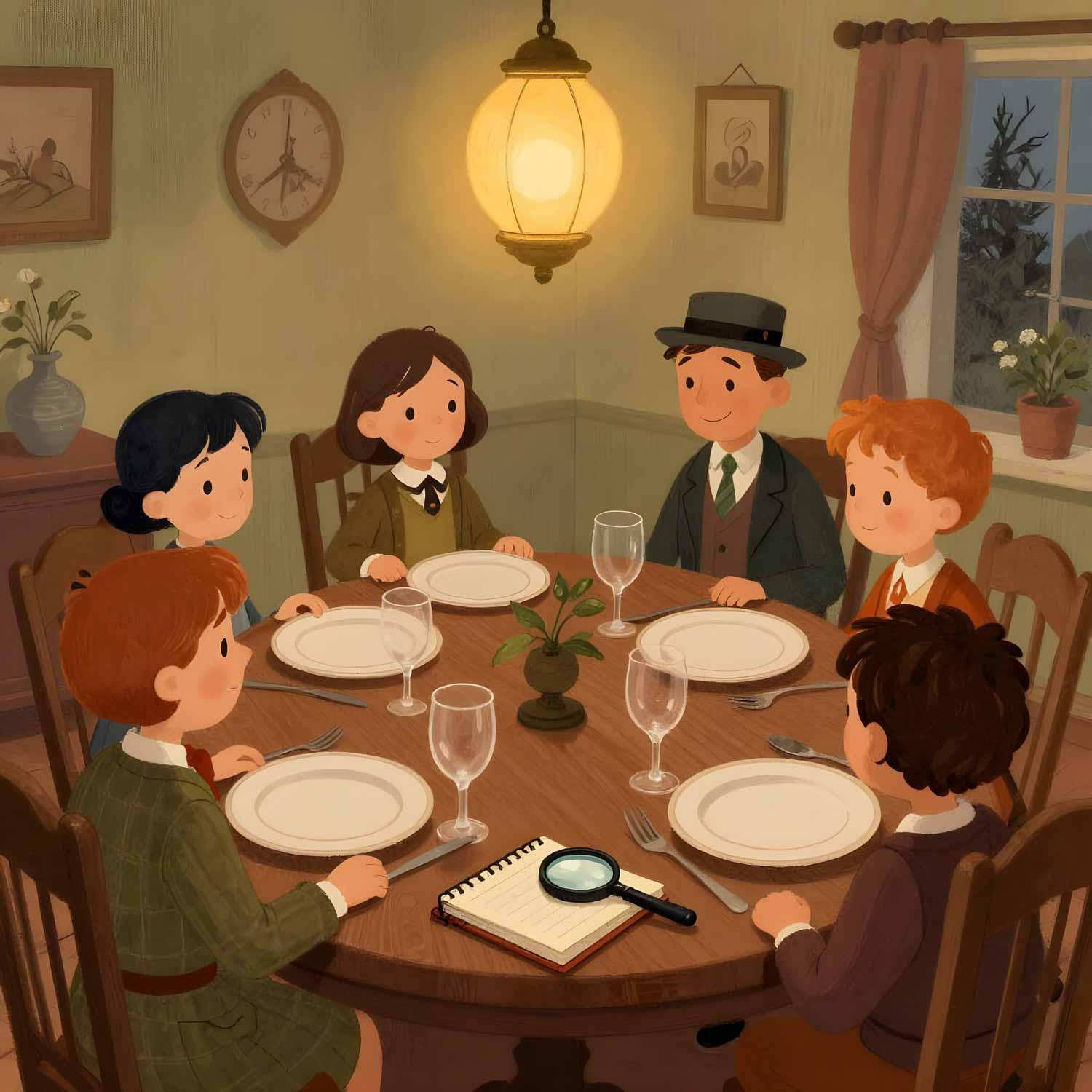
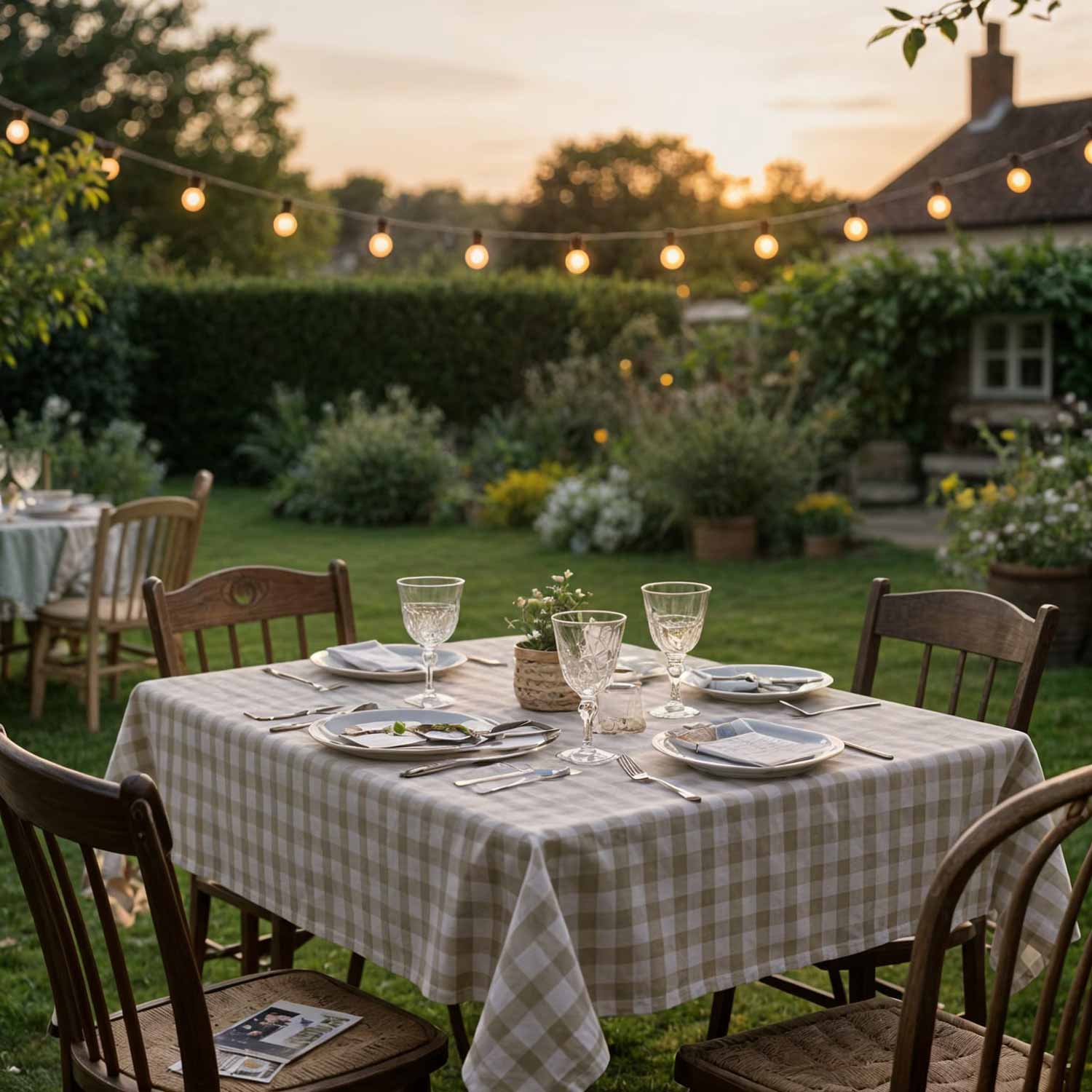
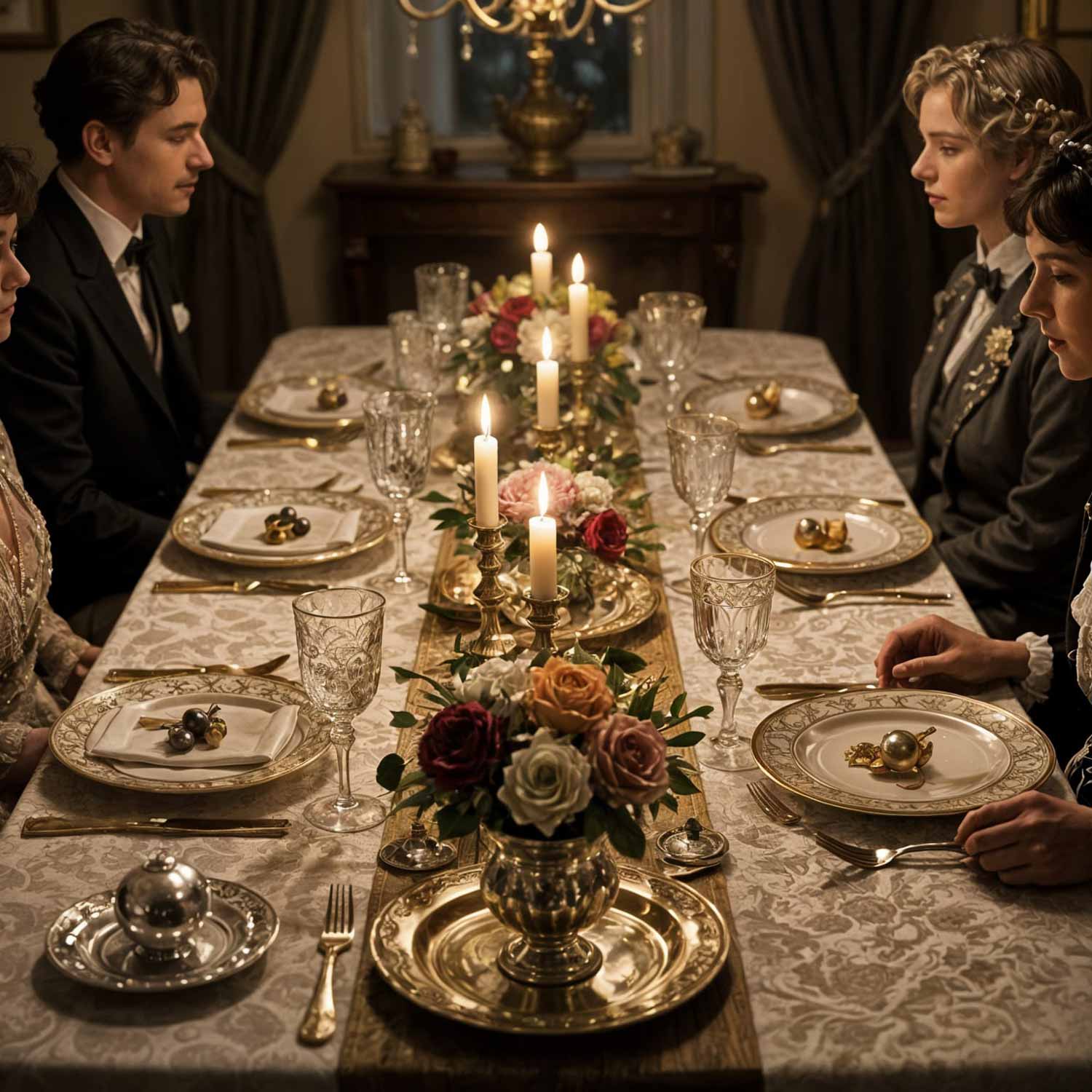
Picture a weekend party gone horribly wrong among the aspidistras. This era is all about quiet grandeur rather than obvious sparkle. Crisp white linen, silverware laid with more precision than any of your guests will manage, and fresh flowers in tall arrangements set the tone before anyone opens their mouth.
Small period touches do a lot of heavy lifting. A calling card tray by the door, a folded newspaper left on a side table, and place cards written in careful copperplate all suggest a household with staff and standards. If you can source (or fake) an antique-looking clock or a stern family portrait to prop against a wall, even better. Every good country house mystery needs a portrait that seems to be watching.
5. Seventies Disco
For something livelier, the seventies bring colour, glitter, and a house full of suspects who all have terrible taste in wallpaper on purpose. Lava lamps, disco balls, bold geometric patterns, and a colour scheme that leans hard into orange, brown, and gold create instant nostalgia.
A string of fairy lights or a cheap disco ball light does more for atmosphere than any amount of tinsel. Vinyl records propped as decoration, oversized sunglasses on a side table, and a playlist heavy on funk basslines round out the picture. This era also happens to be forgiving on budget, since most of it can be assembled from a charity shop and a bit of nerve.
A Few Notes for Any Era
Whichever decade you choose, resist the urge to overdo every corner of the room. A handful of well-chosen pieces near the entrance and dining area will convince guests far more than an evenly spread scattering of props throughout the house. Guests notice the first impression most, so put your best candlestick forward.
Music and lighting will always outperform decorations you had to order specially. A dimmer switch and the right playlist can transform a fairly ordinary living room into 1920s Chicago or 1940s London with very little effort or expense.
And if in doubt, ask yourself what a set designer would grab first if the budget were tight and the deadline were tomorrow. That's usually the prop worth buying.