Sherlock Holmes has a hat named after him, and Poirot has a moustache that could carry its own byline, yet the stories that outlast their authors are usually remembered for the person who did it. The villain is what gives a mystery its pulse. Take away a memorable culprit and what remains is an orderly afternoon of people examining footprints.
I have picked six villains who have stayed with readers for decades, and in some cases for well over a century, and looked at the particular tricks that make each of them work. If you write mysteries, host them, or simply enjoy being fooled, there is plenty here to borrow.
A fair warning: spoilers follow, including two of Agatha Christie's most famous solutions. If you have yet to read The Murder of Roger Ackroyd or And Then There Were None, skip those sections and come back later.
Charles Augustus Milverton: the villain you want someone to deal with
Arthur Conan Doyle's blackmailer buys compromising letters and sells silence back to the people who wrote them. He does it with such smooth good manners that his victims are almost grateful for the courtesy. Holmes, who treats most criminals as interesting puzzles, regards Milverton with a loathing he rarely shows anyone else.
What makes him work is the reader's appetite for comeuppance. There is no hidden identity to uncover, because we meet him early and know exactly what he is. The tension comes from waiting for someone to stop him. When one of his victims finally does, Holmes watches and chooses to say nothing to the police, which is the most telling moment in the story. A villain this thoroughly detestable can shift the whole moral weather of a mystery.
Professor Moriarty: the mastermind who is barely there
Moriarty has become shorthand for the arch-villain, which makes it a surprise that Doyle gave him so little page time. He steps onto the stage in just one story, "The Final Problem" (1893), and lurks unseen in the novel The Valley of Fear. Doyle created him chiefly as a way of getting rid of Holmes, and the plan worked well enough that readers refused to let Holmes stay gone.
Holmes calls him the "Napoleon of crime", and almost everything we know about the professor reaches us through Holmes's account of him. Moriarty works because he is a dark mirror: a brilliant mind at the centre of a web, directing other people's crimes much as Holmes directs his own network of informants. Reputation does the heavy lifting here. A villain who is described with dread before he arrives can be far more frightening than one who spends an entire book twirling a moustache.
*** Spoiler Alert ***
Dr James Sheppard: the villain holding the pen
In The Murder of Roger Ackroyd (1926), Christie hands the narration to a kindly village doctor who assists Poirot, newly retired and devoted to his vegetable marrows. The doctor is the murderer. Every sentence he writes can be defended, and the lies are all in what he leaves out.
Sheppard works because he sits in the one place readers forget to search. We trust a narrator by default, and Christie treats that trust as a resource to be spent in the final chapters. The book caused a minor storm about fair play when it appeared, yet it endures because every clue is on the page for anyone willing to re-read it with suspicion. That is the gold standard for a twist, and the reason it still gets argued about over dinner.
*** Spoiler Alert ***
Judge Wargrave: the villain with a conscience (his own)
In And Then There Were None (1939), ten strangers are invited to an island off the Devon coast. A nursery rhyme hangs in every room, and the guests begin to die in the manner it describes. Midway through, one of them appears to be among the dead. He is Lawrence Wargrave, a retired judge, and he is the killer.
What makes him compelling is his conviction. Wargrave believes in justice and enjoys killing, and he sees no contradiction between the two. He selects people who escaped punishment for their crimes and passes sentence in the privacy of his own mind. A villain with a code is unsettling because his logic holds together, and the reader can follow it a little further than is comfortable. Christie even lets him have the last word, in a confession sealed in a bottle and cast into the sea. A judge would insist on a formal ending.
Tom Ripley: the villain who keeps your sympathy
Patricia Highsmith's The Talented Mr Ripley (1955) puts the reader inside the head of a young man who murders a wealthy acquaintance and takes over his life. Readers know who did it from the start, and the suspense lies in whether he will be caught. Somewhere along the way, many of us discover that we are hoping he will not be. Highsmith returned to him for four more novels.
Ripley works because intimacy breeds complicity. When we are handed a villain's anxieties and his improvisations, we begin rehearsing his lies alongside him. It is a quietly uncomfortable trick, and it shows that a mystery can survive without a detective if the criminal is good company.
Amy Dunne: the villain who has read the genre
Gillian Flynn's Gone Girl (2012) gives us a wife who vanishes on her wedding anniversary and a husband whose behaviour looks worse by the hour. A diary appears to explain everything. Halfway through, we learn that Amy has staged her own disappearance and written the diary as a forgery designed to convict her husband.
Amy works because she understands how a missing-wife story is supposed to look, and she builds one to order. She has absorbed the conventions of crime fiction and turned them into a plan. Every planted clue is a reminder that evidence only means what the person reading it assumes it means. Any host who has ever tucked a convincing red herring into a clue envelope will recognise the pleasure of it.
What the best villains have in common
Read together, these characters share more than a talent for getting away with things. Each has a reason that makes sense from the inside, so that even the worst of them can explain themselves in a way that feels almost coherent. Each also plays a game with the reader's trust, whether by narrating the book or by earning our sympathy. Milverton and Moriarty have a different gift: the detective's reaction to them tells us exactly how dangerous they are.
Borrowing from the best at your own mystery party
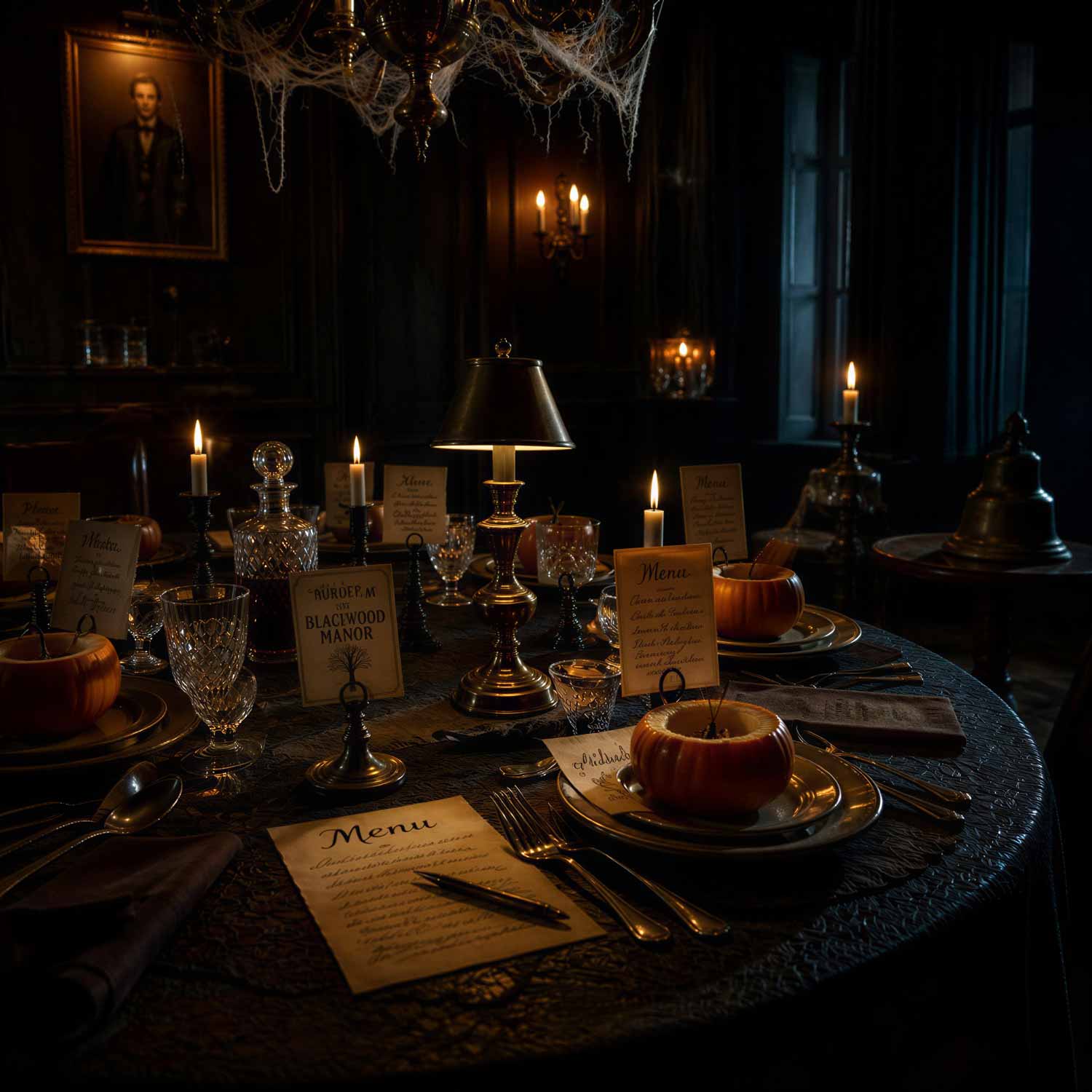
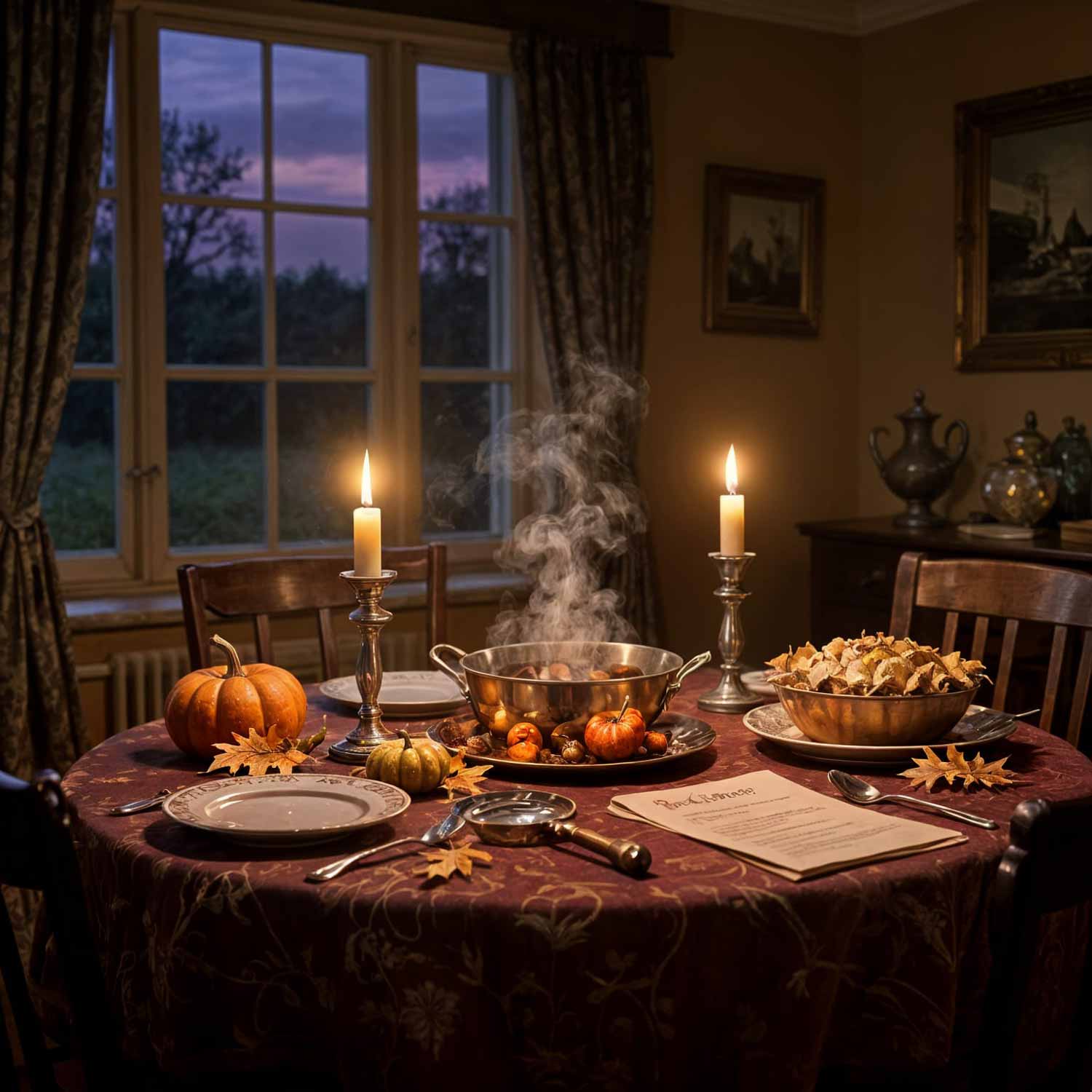
Anyone who hosts a murder mystery party can steal liberally from these villains. Give your culprit some warmth early on, as Sheppard has, so that guests spend the evening suspecting everyone else. Let a character's reputation arrive before they do, which was Moriarty's method. Give the killer a motive worth defending, because a confession lands harder when the guilty party can explain themselves with a straight face. And when you are planning your clues, remember Amy: a forged diary entry is a lovely thing to find in an envelope.
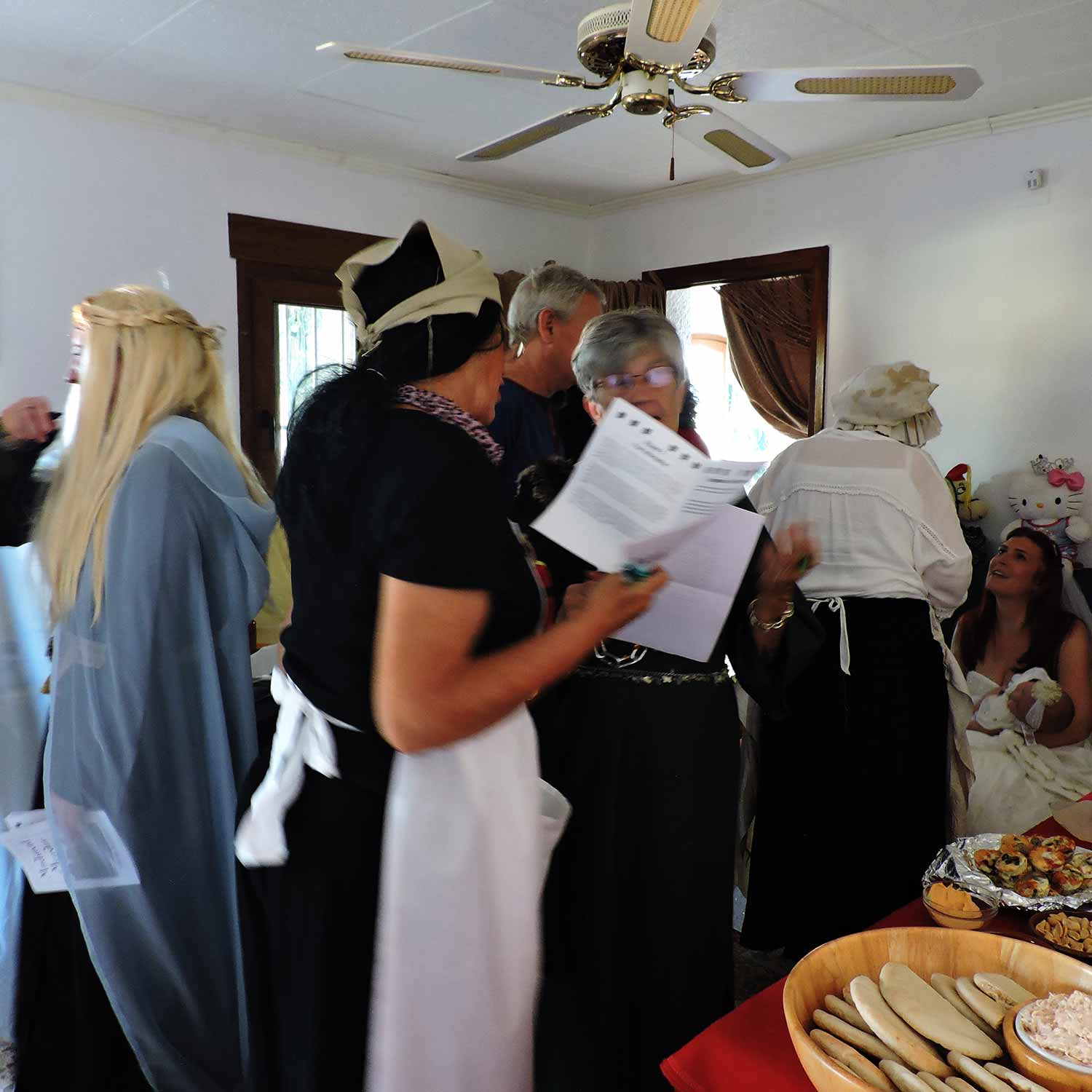
Every game in our range, from the Dinner Party Games to the Mix & Mingle Mysteries, is built around a culprit who has to be worth finding. As the host, you play a character yourself and discover the solution alongside your guests, which means you get to be fooled as well. You can browse the full collection at murderinthehouse.com.
Which villain would you add to the list? We would love to hear who has kept you up at night, particularly if the answer is someone we have all been trusting for years.