So, you’ve decided to host a murder-mystery party. Congratulations — you’re one step ahead of the person still deciding whether to bring chips or carrot sticks to game night. But before the faux victim’s body is discovered, the butler drops a drink on the suspect’s costume and everyone ends up Googling “what kind of character is this anyway?”, let’s talk about five classic host mistakes, how to sidestep them, and how to keep the evening smoothly sinister (in the fun sense).
Mistake #1: Leaving character assignments until the last minute
Sure, you can send out invites and say, “Pick a character when you arrive!” But then your guest-who-wanted-to-be-the-jungle-explorer winds up as the 1920s flapper anyway — and their DIY costume ends up being a fedora and a paper mustache. Pick your theme and character list early so everyone knows their role well in advance.
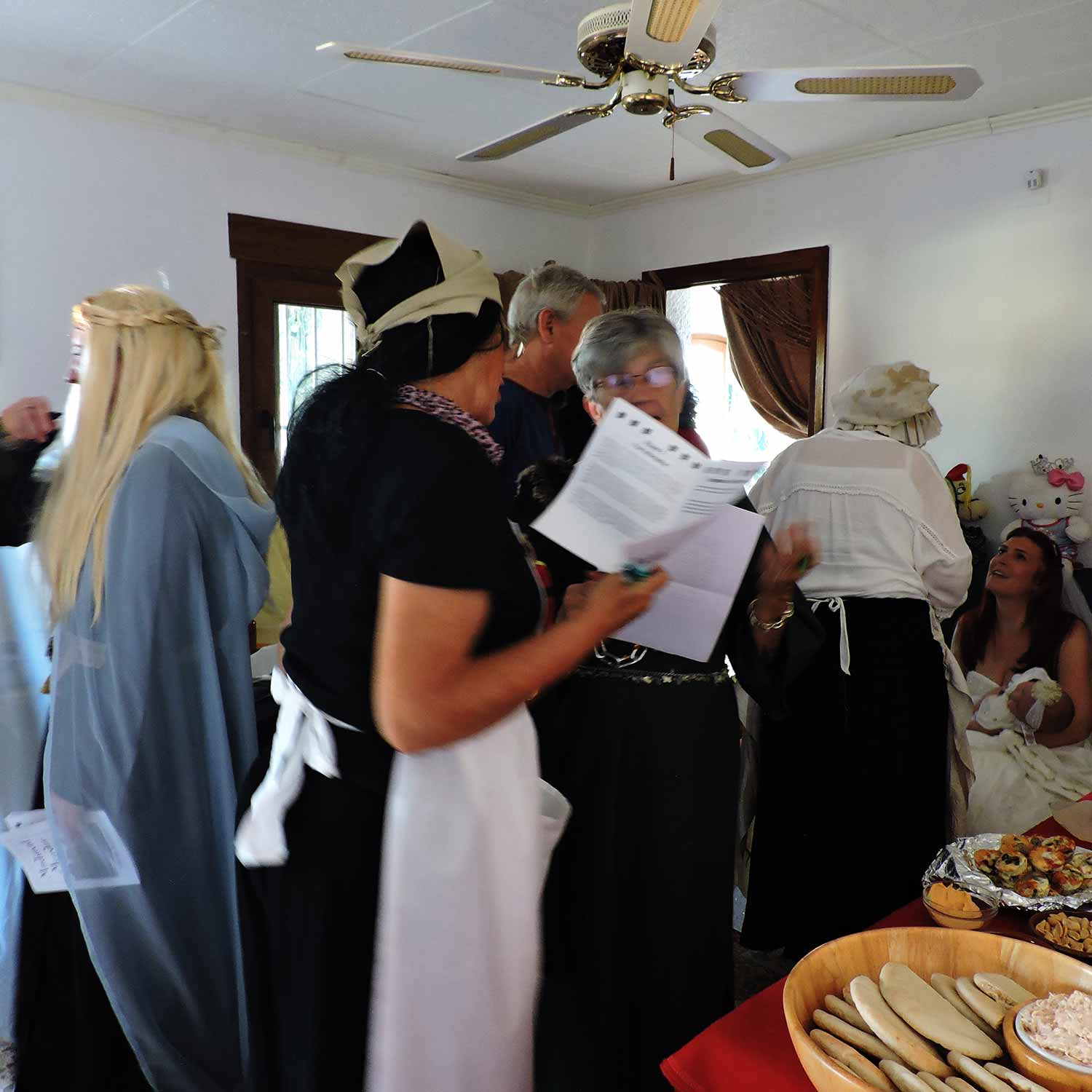
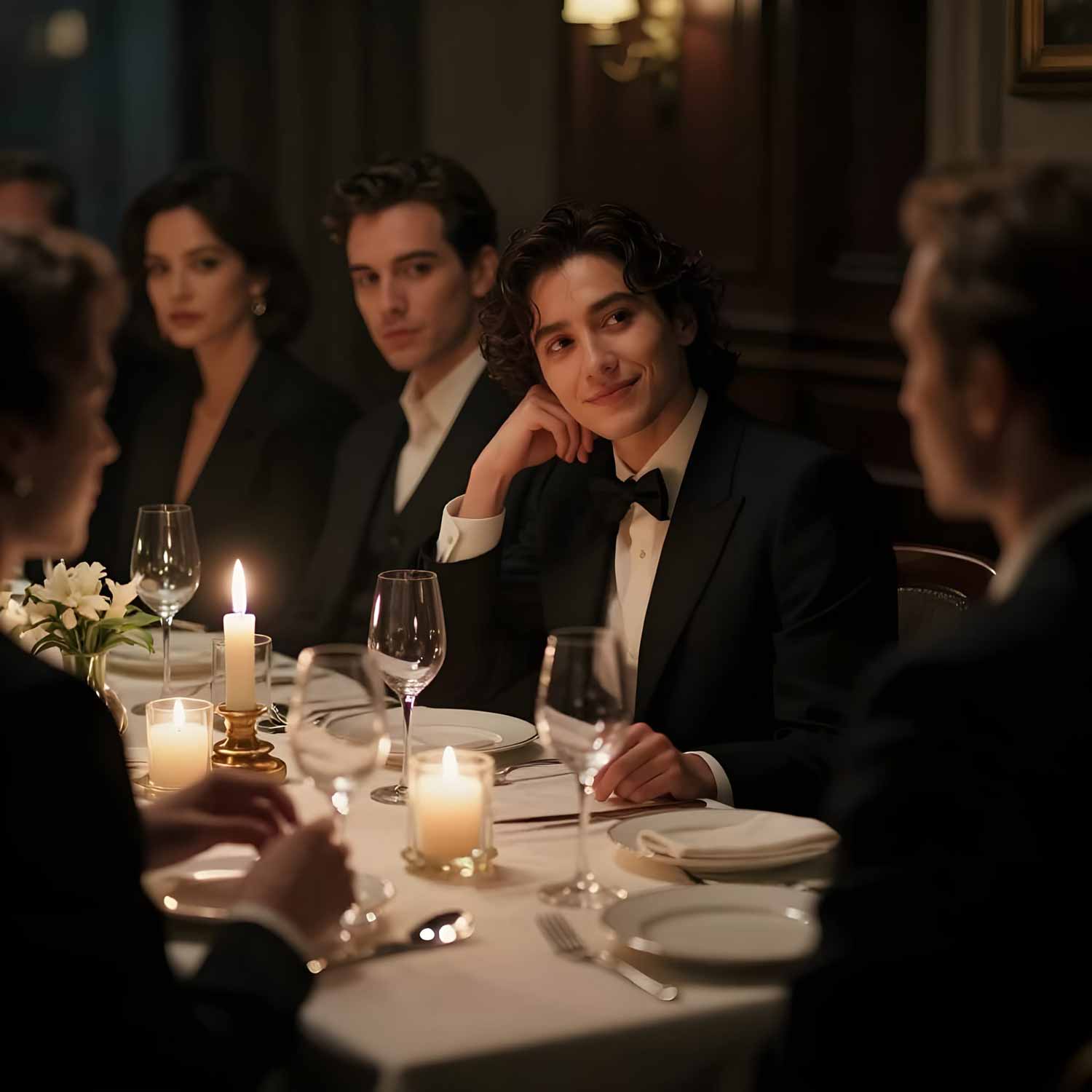
How to avoid it: Send the character assignments at least a week ahead. Encourage costumes, props, and a little character back-story. When guests arrive already in character, you’ve skipped 90% of “what are we doing here?” and jumped straight into “who knew the victim hated his cousin?” territory.
Mistake #2: Mixing up theme, décor and feel
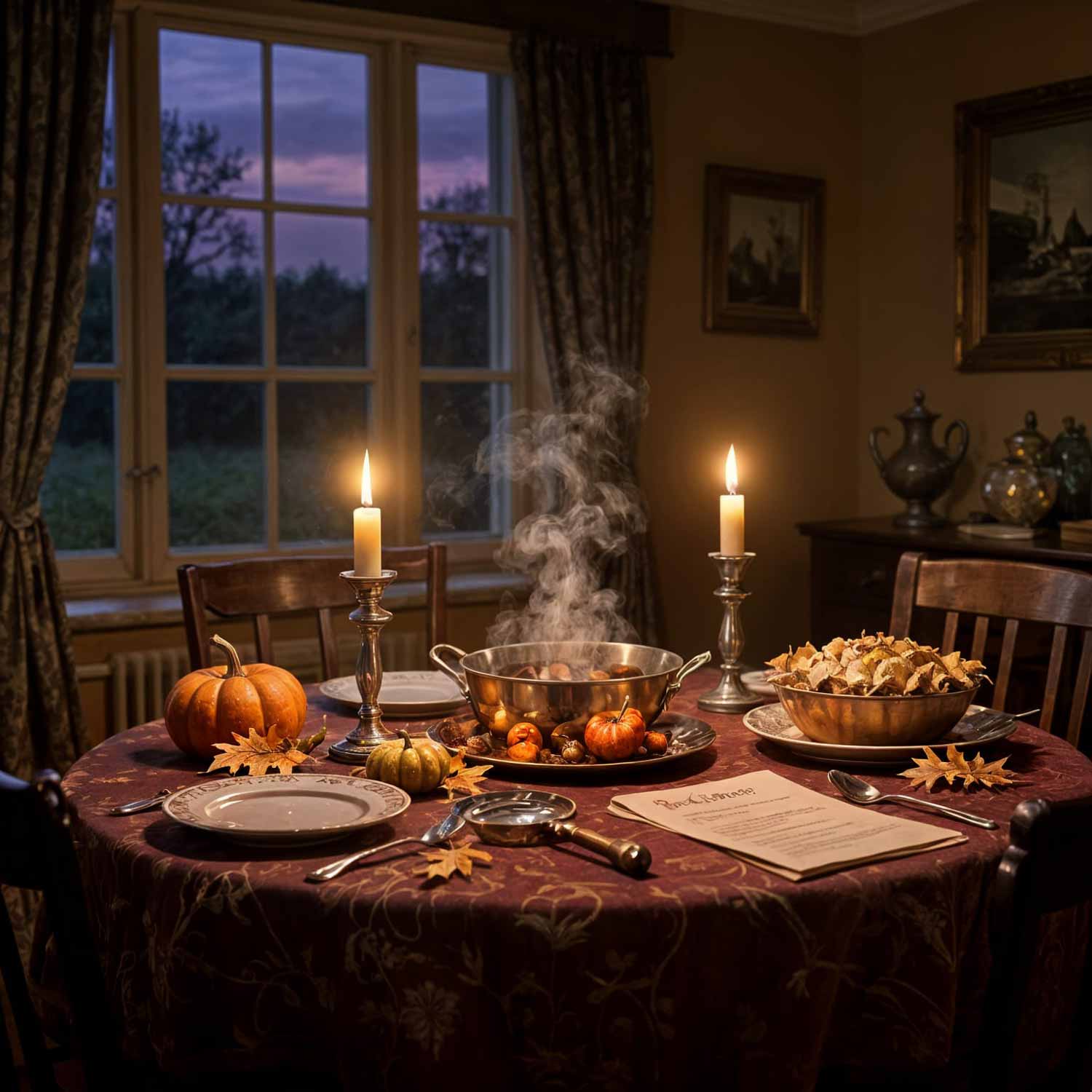
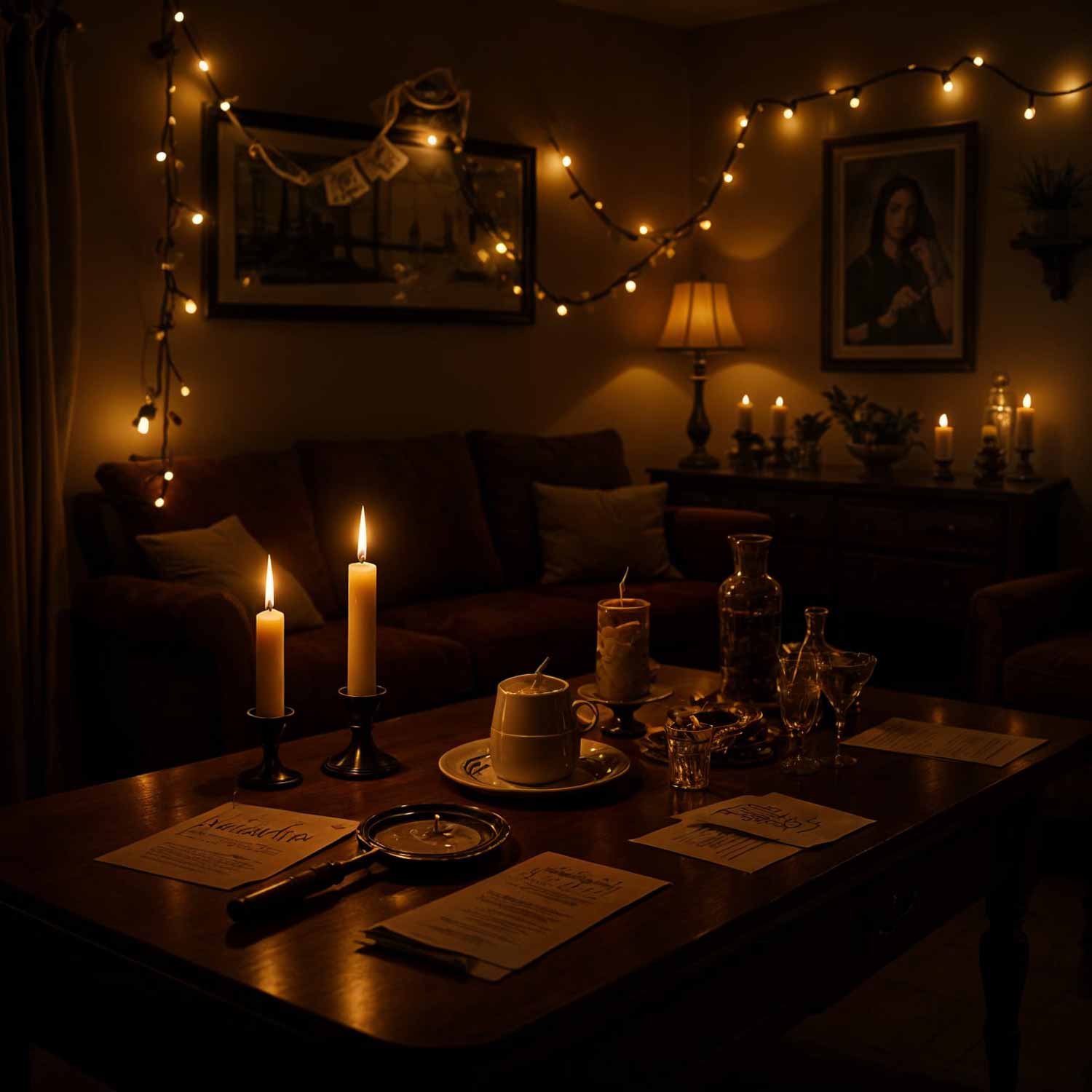
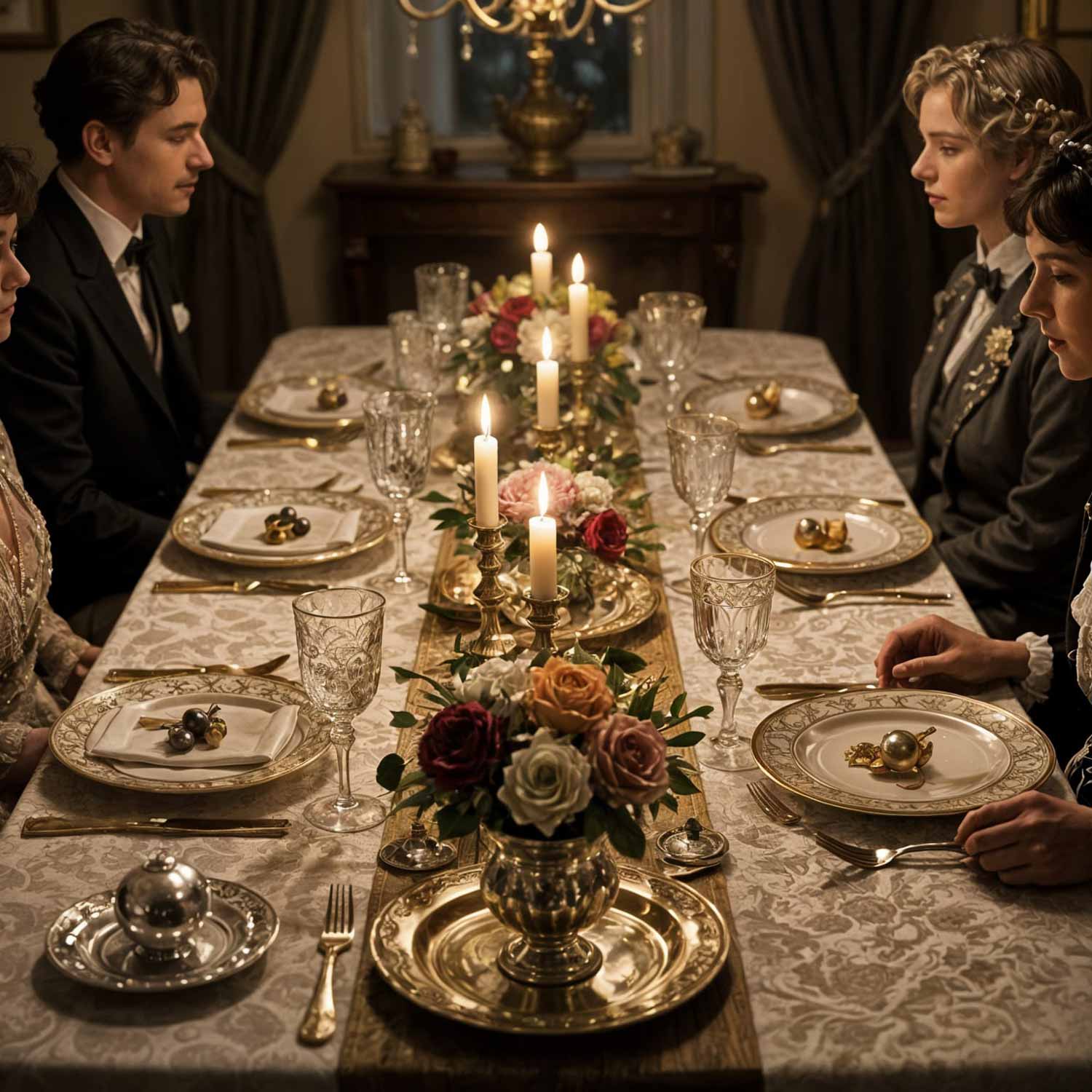
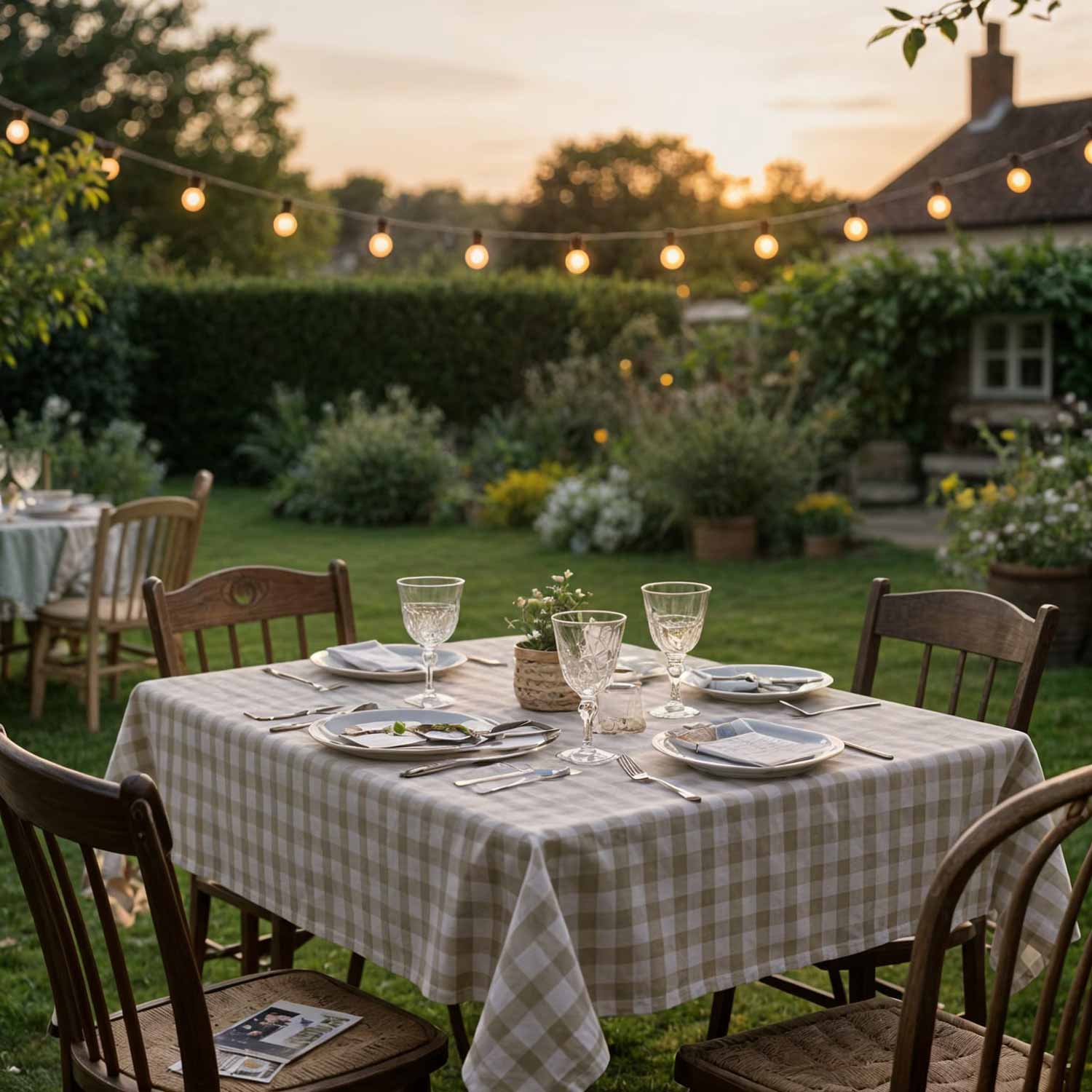
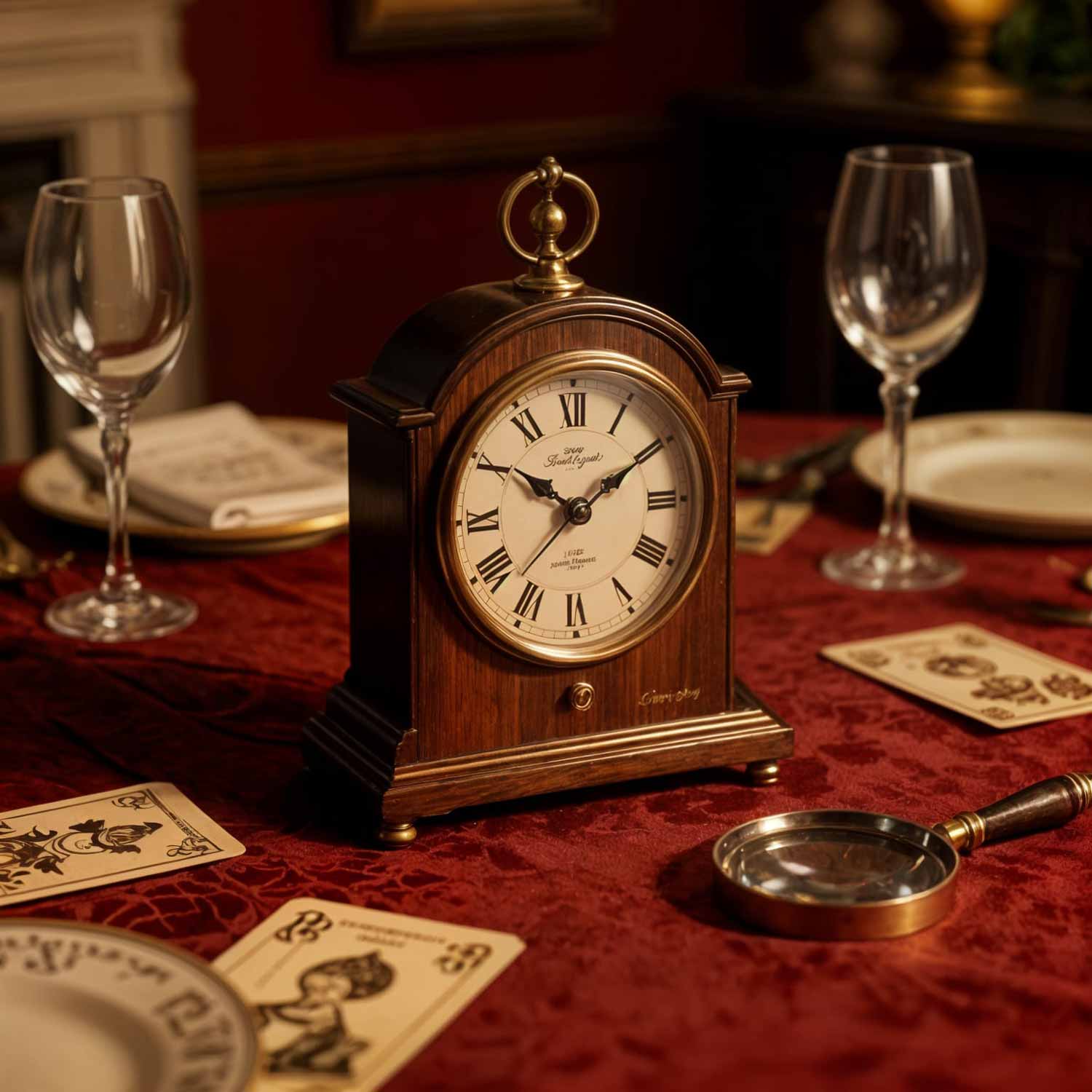
Imagine a Victorian-mansion murder mystery… but with neon balloons, “Happy Birthday” banners and a mariachi soundtrack. The tone becomes confused, the guests become confused, and the murderer starts flipping between “I’m Lord Wentworth” and “I’m definitely going to the taco truck next door”. Picking your theme and sticking to décor that supports it dramatically helps with immersion.
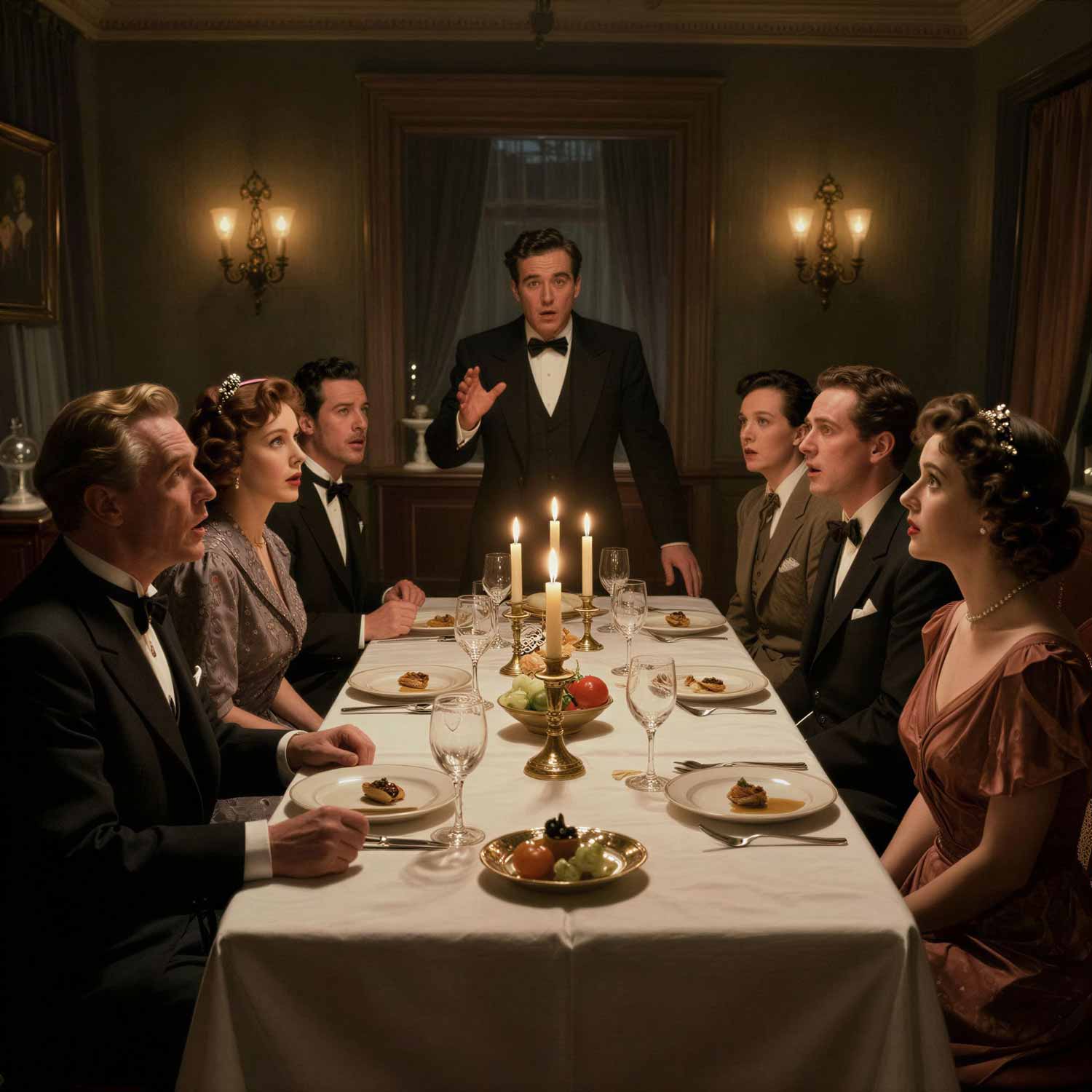
How to avoid it: Choose your era and style (“1920s speakeasy”, “Haunted Manor in the woods”, “Hollywood red carpet gone wrong”) and then pick décor, music, menu and costumes that mirror it. Having matching visuals makes your game feel like an event, not just “we staged a crime and hoped for the best”.
Mistake #3: Under-estimating player count / role balance
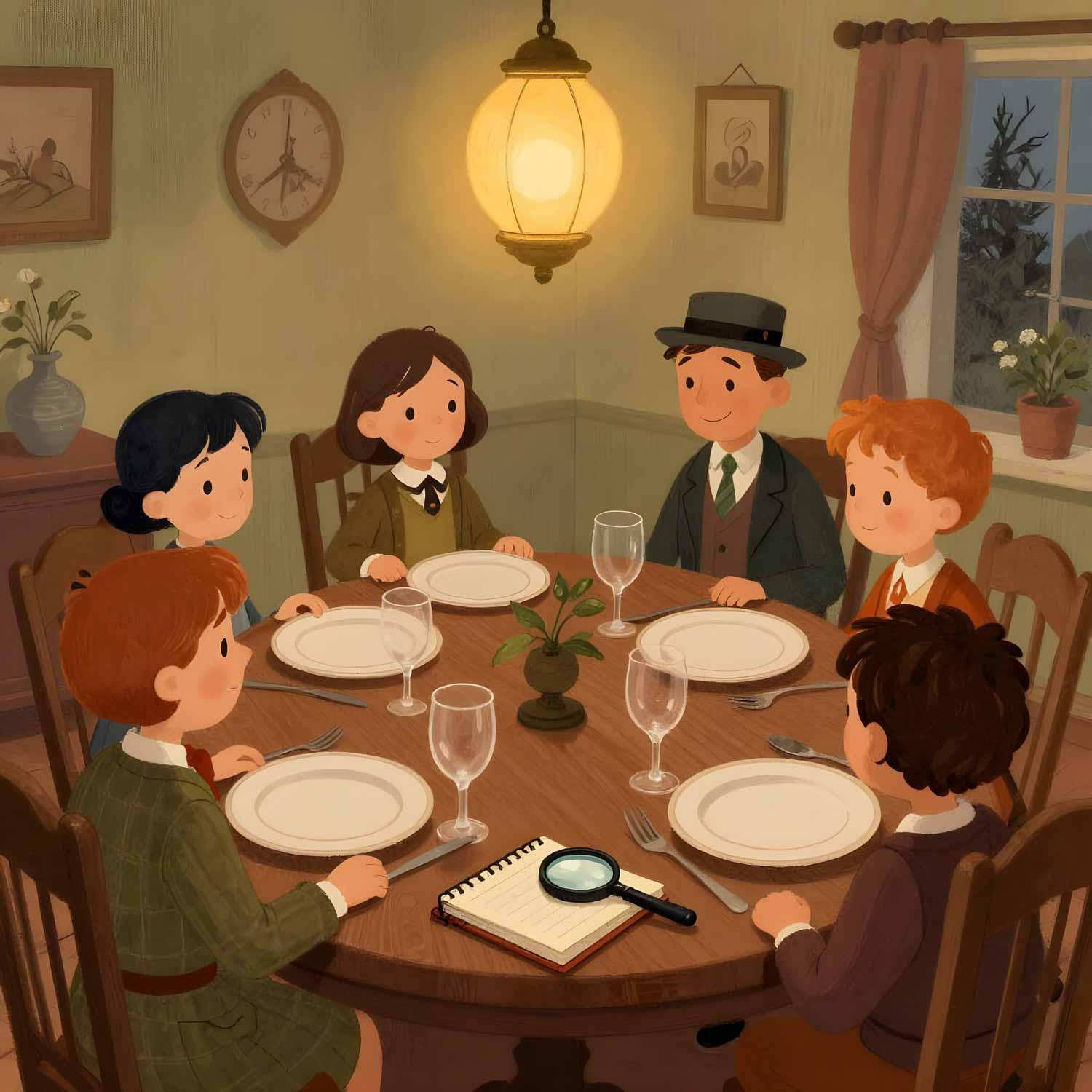
You may have six friends who are all super sociable — and one who just nods and laughs at memes. When roles aren’t balanced, one guest ends up forgotten or wandering around, while another dominates the clue-dump and the host is trying desperately to keep people interacting. Good host guides emphasise making sure everyone’s in the game.
How to avoid it: Choose a game kit that matches your number of players. Make sure each guest has a role, some secret info, maybe a motive. If someone’s shy, give them a role with fewer lines but a fun twist. And the host should roam the room, gently nudging quieter players into conversation (“Miss Worthington, do you recall what you were doing when the lights flickered?”).
Mistake #4: Clues dumped unscheduled — or too sporadic
Here's the thing: a murder-mystery party works best when the game flows. If clues come too fast everyone panics. Too slow and people check their phones for memes. Host guides recommend structuring rounds or clue-drops to keep momentum.
How to avoid it: Map out roughly when you’ll hand out clues: e.g., after mingling for 20 minutes, clue #1; after dinner, clue #2; after dessert, final clue and guess-the-murderer time. Let people talk, accuse, wander about — then deliver the next revelation. Your job as host: set the pace, keep the drinks flowing, and monitor when people start yawning or over-confidently pointing at the wrong person.
Mistake #5: Forgetting the “after-party” wrap-up
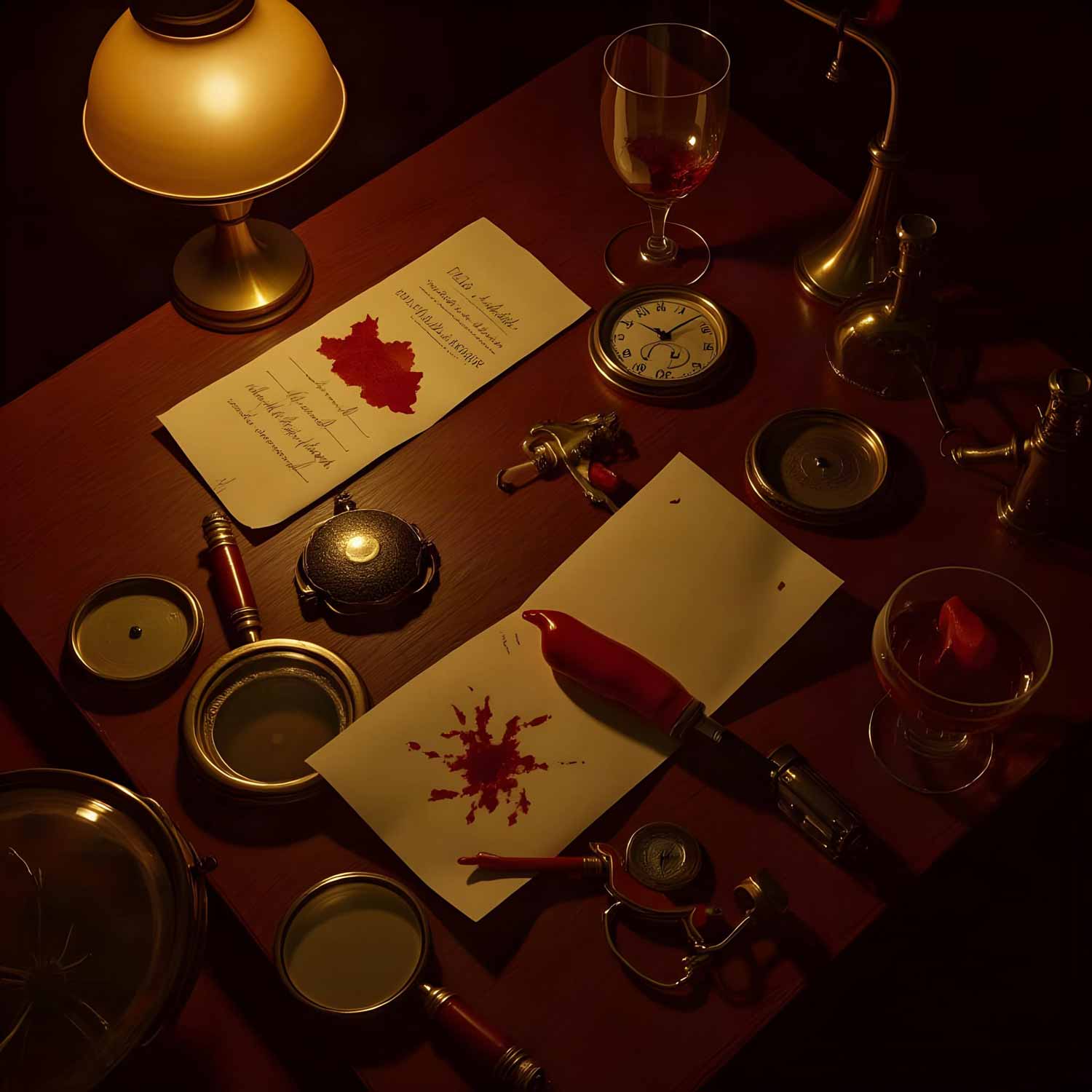
The game ends. Someone shouts “I accuse you!” The murderer shrieks. The lights turn on. Guests leave. …And you forgot to capture the moment, collect feedback, or share pictures. A missed opportunity. You should close with a flourish, celebrate, and give your guests something to talk about later.
How to avoid it: Plan something for after the reveal: perhaps awards for “Best Costume”, “Most Devious Liar”, “Funniest Alibi”. Take candid photos of guests in character and share them (with permission) later. Ask everyone what their favourite moment was – this not only gives you insights for next time but builds your community and encourages them to host again.
Final thoughts
Hosting a murder-mystery party doesn’t have to be a chaotic mess of clues, confusion and costume malfunctions. With a little planning, theme consistency, role balance, timed clues and a bit of post-fun wrap-up, you’ll deliver an evening that has guests detective-ing, laughing and maybe handing out fake confessions over coffee the next day.
If you’re ready to skip the “uh… what am I doing?” moment and jump straight into “who had the motive and where’s the bloody gloves?” — our downloadable game kits at MurderInTheHouse.com
Happy Sleuthing!