Keeping a murder mystery party lively for a crowd of 8–12 can feel like juggling flaming torches – exhilarating, but also a bit nerve-wracking! Fortunately, our mix-and-mingle games are designed for exactly this scenario. These party-style mysteries (think Hotel Homicide, The Ski Lodge Murder, Medieval Marriage and Murder, etc.) are built around multiple rounds, hidden clues, and lots of opportunities to roam and gossip. In other words, it’s not just “sit down, pass the salt, accuse your neighbour” – it’s a living, breathing whodunit adventure.
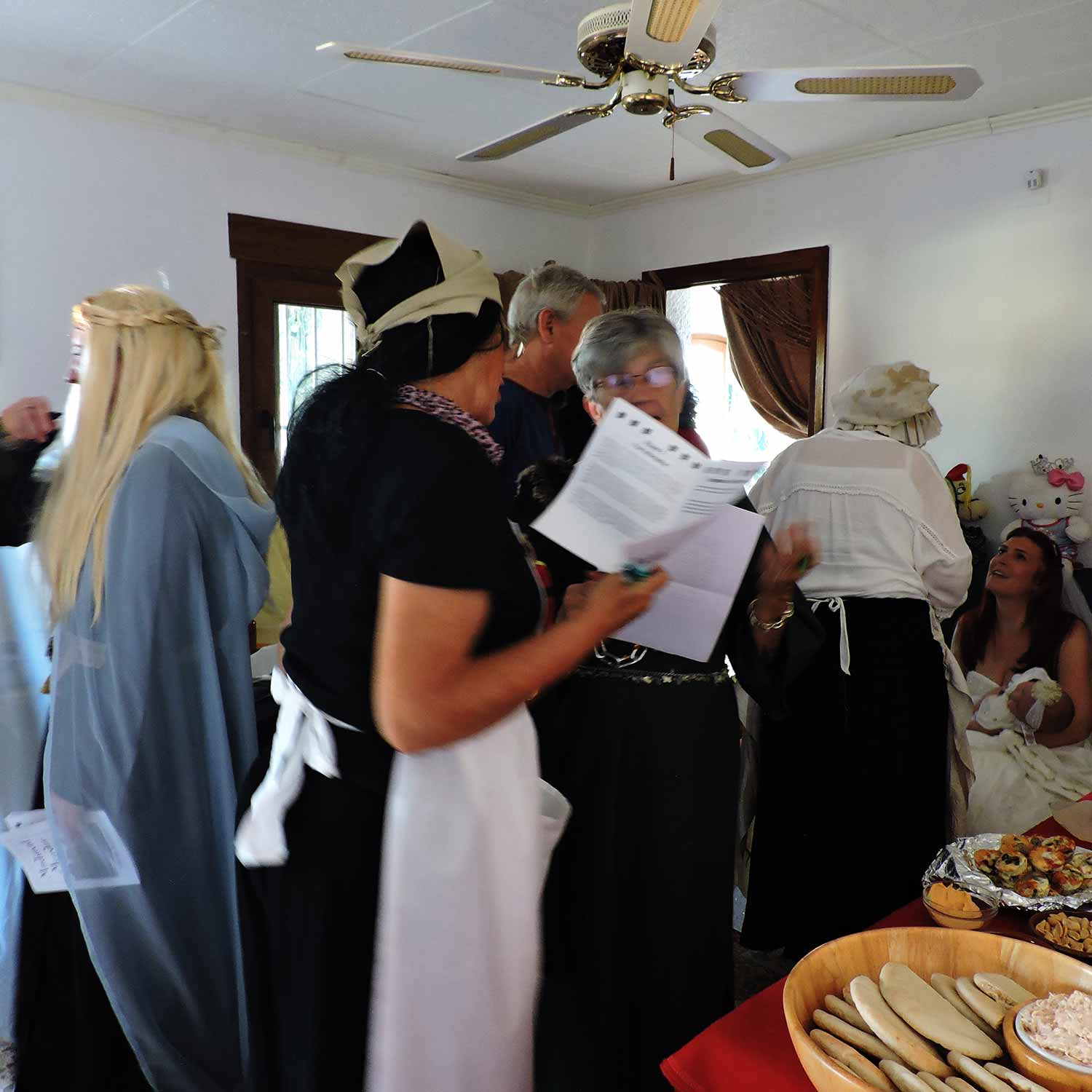
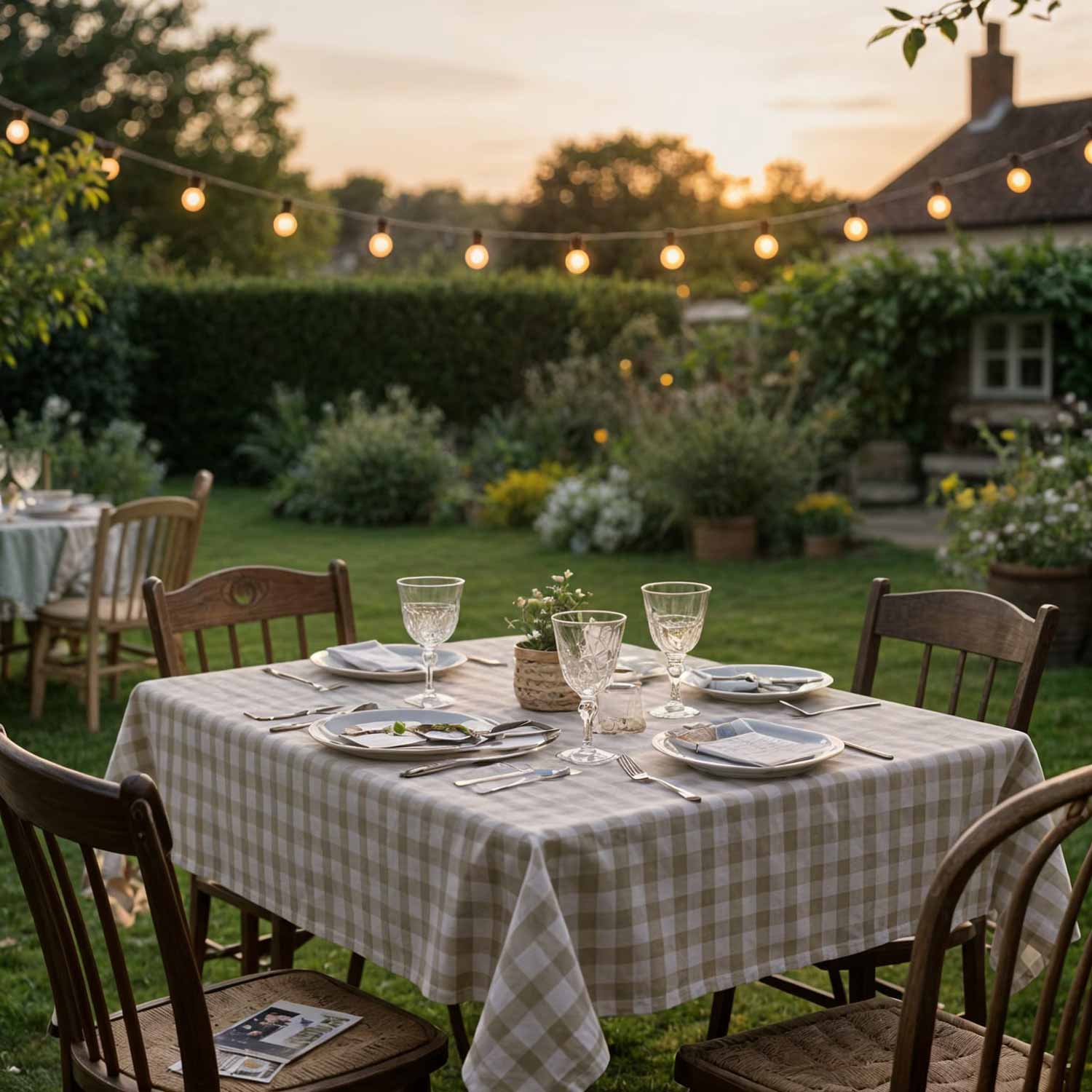
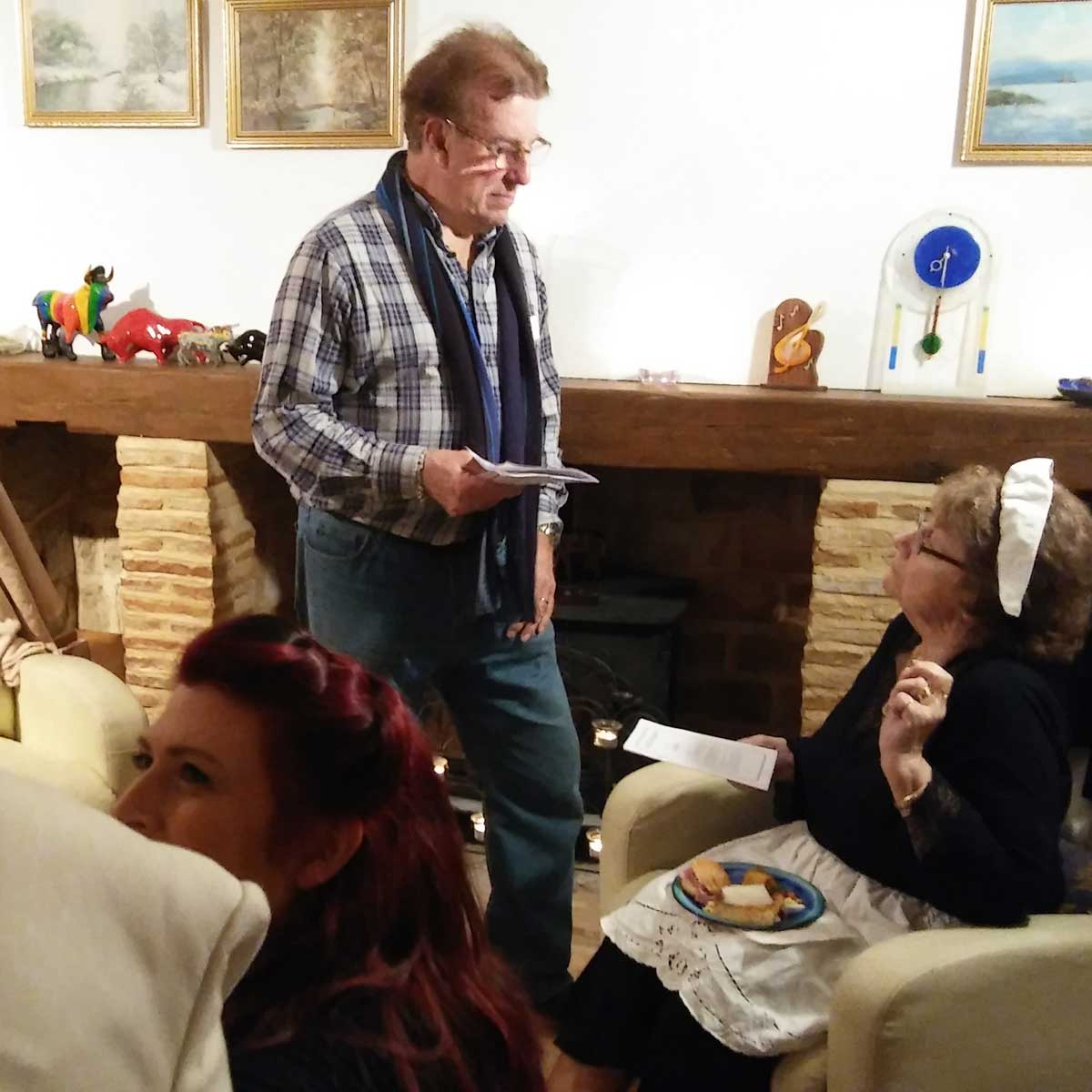
To set the stage right, kick things off with flair. Start by reading the introduction with energy (spooky whispers, dramatic pauses, or over-the-top enthusiasm all work) so guests know they’re stepping into a world of mystery. You might even begin with a short icebreaker unrelated to the game – for example, a quick round of “Two Truths and a Lie” or mystery-themed trivia. This warms everyone up before the real sleuthing starts. And of course, encourage costumes and décor! Our games often come with thematic suggestions (even Pinterest boards of ideas), because nothing says “you’re in the ski lodge” or “you’re at a haunted abbey party” like snowflake cut-outs or flickering lanterns. Costumes and props can break the ice and spark conversation – sometimes even a silly hat or wig gives a shy guest “permission” to act more boldly. Don’t underestimate the power of a killer playlist or funky photo booth props, either – they keep the mood light and the laughter flowing.
Mix, Mingle, and Munch
Remember, mix-and-mingle games thrive on movement. Plan for a buffet or finger-food spread, so people aren’t anchored to chairs. Party-planning pros note that finger foods and snacks let your detectives nibble and chat at the same time, which is essential to the format. (Imagine everyone clutching cheese platters while interrogating the butler – delightfully chaotic.) In fact, our own site advises that these mysteries are best played “at a party with a buffet, so that everyone has a chance to move around to talk to each other”. Likewise, make sure your venue has plenty of comfy nooks and corners. A mystery “guilty confession” wouldn’t be nearly as fun if it only happened in full view of the entire living room – sometimes characters need a private chat or a quick huddle. As one guide says, the key is “to have spaces that people can talk privately if they want to”. So spread out a bit – maybe move some chairs aside or open the patio door – and let guests roam.
The Play’s the Thing: Directing the Drama
Think of yourself as part host, part director. Keep the pacing snappy by gently guiding the action. For example, read the briefing and first clues with gusto so players know the game has truly begun. As play continues, watch for any lulls: if a player is quietly clutching their script, nudge them into the fold (“Hey, did you notice anything strange about the wax melts in the kitchen?”). If someone hogs the spotlight, give others a chance – maybe say with a grin, “Alright, Detective Jones, your turn to share your suspicious theory!” This idea comes from one host’s checklist: “Gently nudging quiet players into conversations. Encouraging dramatic players to share their secrets in character.” It even suggests announcing transitions (“Gather for the accusation phase!”) so everyone stays in sync. These little prompts keep the energy up without feeling forced.
Keep your own host clipboard ready, too. Print extra character sheets or clue printouts (in case someone spills punch on theirs!), and organize clues and envelopes by round. A simple strategy is to group evidence into labelled folders: Round 1 clues in one stack, Round 2 in another, etc. That way you can quickly dish them out when it’s time. Some hosts even set a discreet timer on their phone for each round – it’s amazing how a subtle “ding” can pep up a slow round and remind you it’s time for the next clue reveal. In short, a little advance prep (and a good checklist) means the game zips along and you’re free to guide the fun.
No Wallflowers Allowed
Every murder mystery has its drama queens and its wallflowers. If you notice someone clinging to the snack table (especially if they’re also secretly the murderer), a few subtle strategies can help. First, cast with care: give shy guests easier, non-confrontational roles if you can. For instance, a quiet artist or a flustered local gossip is usually simpler to play than, say, an overly proud diva. Next, arm them with an icebreaker prop or task. A pen and pad, a detective’s notepad, or even silly accents can give folks a boost – it’s amazing how a funky hat lets someone shed their shyness. You can also pair them up in the story with a more outgoing character (siblings, best friends, or a reluctant partner) so they naturally get pulled into conversations.
Another neat trick is to give timid players low-stakes clues to reveal. Instead of thrusting them into a high-drama monologue, give them a secret note to slip to another player, or let them “find” a key clue during the scavenger hunt. For example, maybe they casually announce, “I found this torn love letter in the garden,” without needing a big speech. These small victories build confidence. And don’t forget positive reinforcement! A simple “Wow, great clue-finding!” or “Loved that clever question you asked Mr. Green!” can work wonders to encourage a hesitant player. If a wallflower stays quiet, remember: often the quietest character will surprise everyone with a killer twist at the end – so be patient and keep cheering them on.
Taming the Clue Avalanche
Our mix-and-mingle mysteries throw a lot of information at your players: secret motives, alibis, maps, letters, mysterious objects… the list goes on. To prevent your friends from being overwhelmed, encourage good note-taking and clue-tracking. For example, some hosts give each player a clue notebook or checklist to jot down who said what. Others use a whiteboard or large paper on the wall to track suspects and evidence. One handy suggestion is to print out the provided character booklets and clue cards double-sided and keep extra copies for emergencies. This way, if someone spills wine on their script (it happens!), you can hand them a fresh one without missing a beat.
It also helps to break up the information. After each round, pause briefly for a “team huddle” or snack break. This gives everyone a moment to compare notes, catch their breath, and maybe even form secret alliances. (By the way, our games often include a scavenger-hunt round – at this point, hide extra clue objects or “weapons” around the room for players to find. This keeps everyone moving and talking as they hunt for that hidden note!) Finally, use envelopes or labelled bags for the clues of each round so you can seamlessly say “Round 2 clues, please!” and hand them out. One party-planning checklist tip is: “Keep envelopes or clues organized by round” so you’re never rifling around looking for the next hint
With all those clues and characters swirling, visuals can help. Put up simple name tags or color-coded clue piles. Some hosts even pin a big timeline on the wall. But don’t worry – every player is allowed to be a detective or a liar, so gradual reveals are part of the fun. By the end, most groups are happily scribbling furiously on notepads trying to connect the dots.
Keeping It Fun (and Finale)
Above all, remember it’s a game for laughs and excitement. Encourage outrageous accusations (“It was the butler, who has a secret penchant for cheese graters!”), dramatic confessions, and playful bluffing. If someone accidentally spoils a clue too early, just laugh it off or turn it into a throwaway red herring – the goal is fun, not a perfect play-through.
When the big accusation round arrives, gather everyone and let the most dramatic orators make their case. Then hand out the confessions or solution pages provided with the kit (guests love a dramatic reading of “I did it because…”). Finally, reveal who the murderer really was. Applaud the best detectives and even the best actors – after all, everybody loves a prize for “Best Overacting” or “Most Creative Excuse.”
Before you know it, that 2–3 hour evening (our games are meant for a fun long evening) will fly by. Your guests will have swapped plenty of secrets, solved puzzles together, and maybe even burned a little midnight oil chasing murderers. If you’ve kept the energy up with these tips, they’ll be telling your party-planning skills to everyone they meet!
Bonus Tip: Remember to have fun yourself! As host, your enthusiasm is contagious. Laugh at the jokes, play along with the drama, and maybe indulge in a mock-serious glare when the murderer slips by. With the right prep (and a killer playlist in the background), your mix-and-mingle murder mystery will be the talk of the town – and you’ll earn the title of Mastermind Host.
For inspiration, check out our game catalogue – titles like Hotel Homicide (8–12 players) or The Ski Lodge Murder (8–11 players) are tailor-made for groups this size. Happy plotting (and partying)!