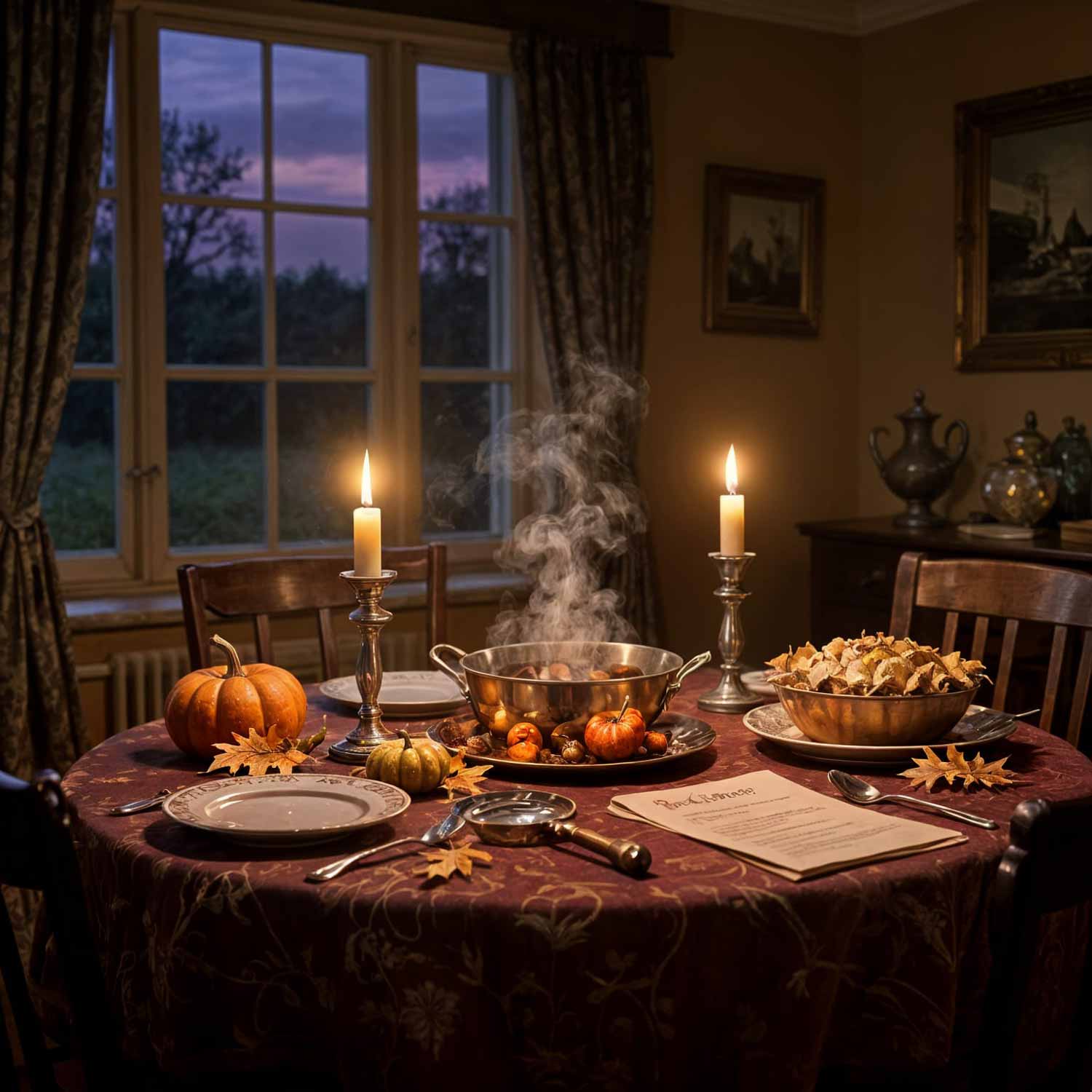
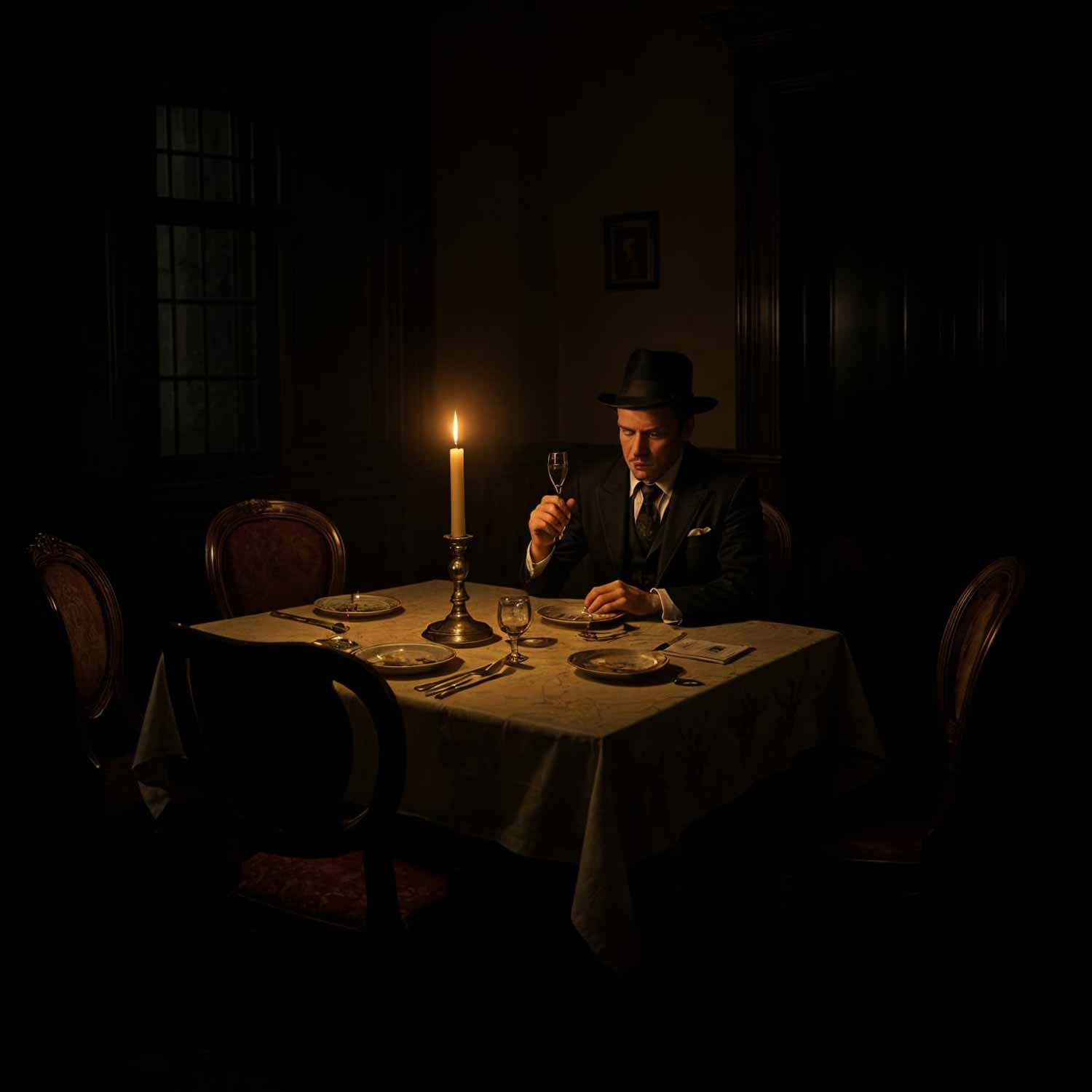
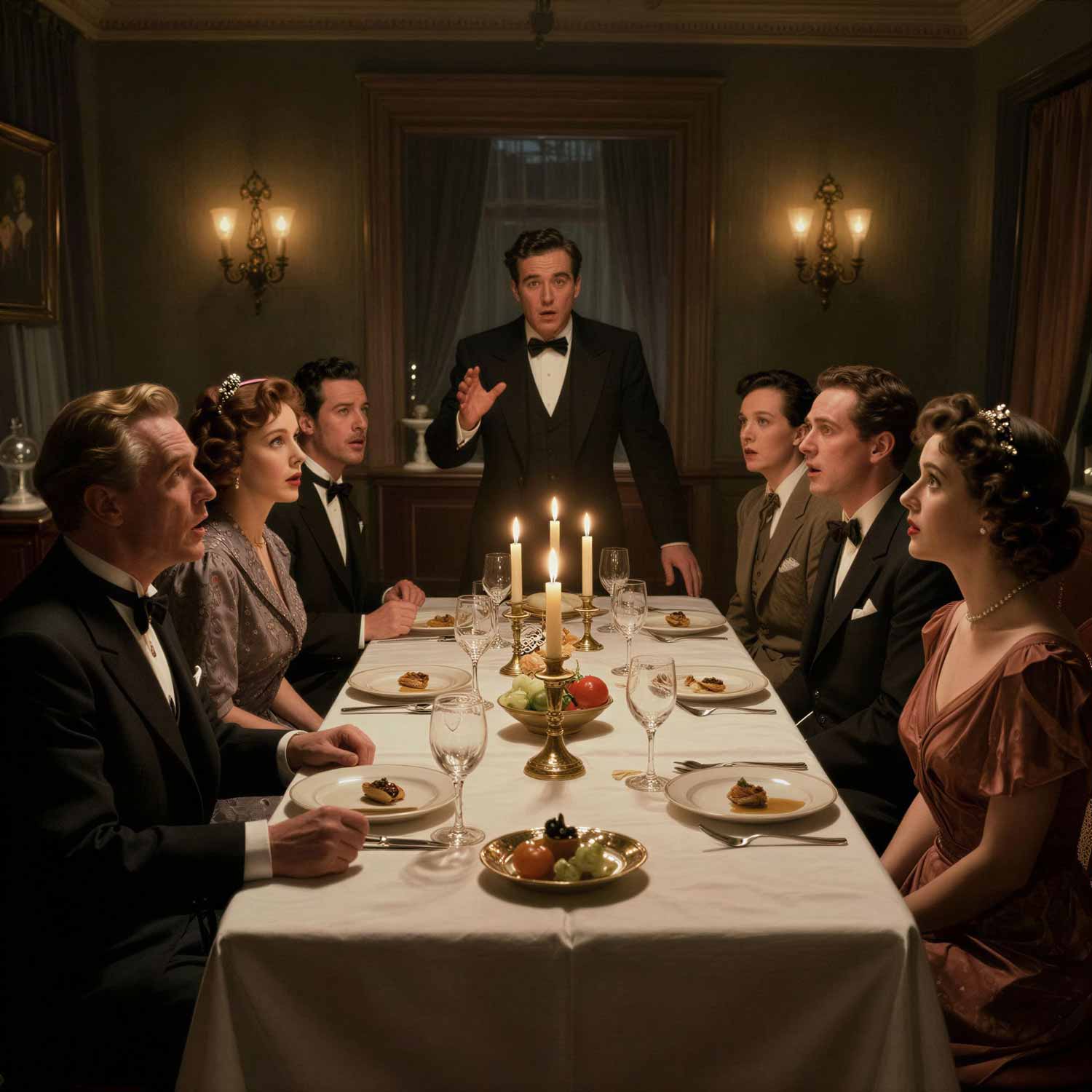
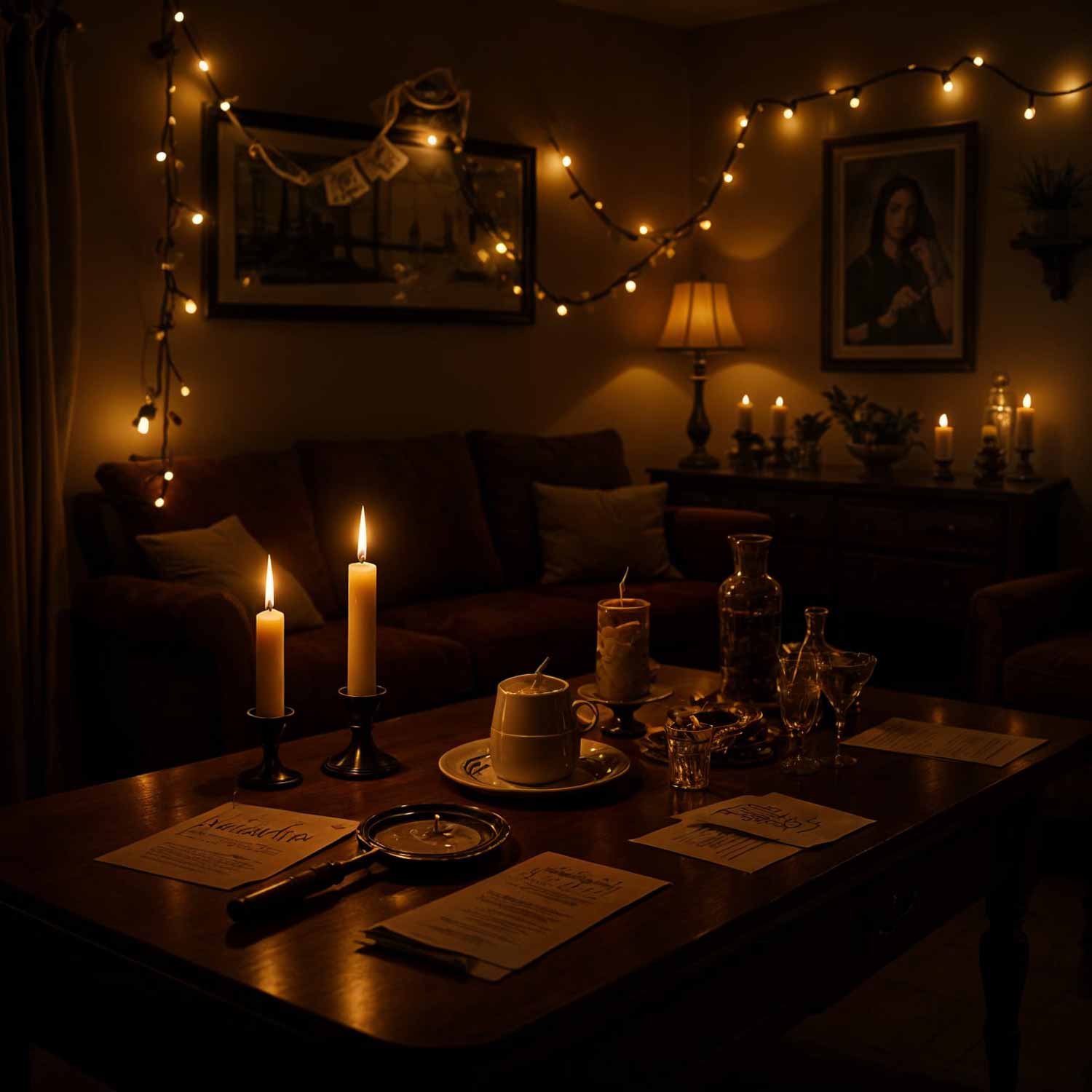
There’s something almost magical about a murder mystery game: one moment your friends are simply chatting over drinks or snacks, and the next, they’re slipping into secret identities, whispering about hidden clues, accusing each other, and racing to unmask the culprit before the night ends. These games aren’t just games: they’re immersive, social adventures that transform an ordinary evening into something unforgettable. Here’s why murder mystery games remain such a beloved staple for parties, gatherings, or even quiet nights in.
1. Everyone becomes both suspect and detective — total immersion
A big draw of murder mystery games is how they blur the line between player and character. After all, “Your guests are the suspects and the detectives.”
Once the party starts, people swap their everyday personas for new, sometimes bizarre or dramatic characters. Suddenly, a shy friend becomes the prime suspect with a mysterious past; a quiet cousin might turn into the cunning detective asking the right questions. That transformation — that shift from “me” to “my character” — is thrilling, and gives everyone a chance to try on new roles, improvise, lie (in character), or defend themselves in dramatic fashion.
This immersion turns a typical get-together into something theatrical, memorable — a real live-action whodunnit, with every guest playing a part.
2. It sparks social interaction, laughter — and new connections
Unlike many games where only a handful of people are actively involved at once, murder mystery games encourage everyone to participate. They break down social barriers: friends who rarely talk may suddenly be interrogating each other, laughing about wild theories, or forming temporary alliances. According to coverage of murder-mystery parties, these games can be the “perfect ice-breaker,” fostering team collaboration and creative social interaction.
Because everyone has a role and everyone holds a piece of the puzzle, shy or quiet guests can shine — maybe they quietly observe, keep track of clues, or ask a revealing question at just the right time. The result: a party that feels inclusive, fun, and full of genuine moments of connection — far more engaging than typical small talk over dinner or background music.
3. Mystery, suspense, and the thrill of deduction
At its core, a murder mystery game is a puzzle — a layered mystery waiting to be unravelled. People get hooked on spotting inconsistencies, comparing alibis, testing hypotheses, and trying to figure out the culprit before time runs out. This combination of suspense and mental challenge gives the experience a unique edge. Others beyond Murder In The House note that murder-mystery games “activate a suite of mental faculties,” from deduction and reasoning to reading social cues and evaluating motives.
For many players, that process — that heady mix of suspicion, tension, revelation — is half the fun. When the big reveal finally comes, whether people guessed right or hilariously wrong, it’s often the climax of an evening filled with laughter, gasps, and dramatic declarations.
4. Flexibility — from quiet dinner parties to lively “mix & mingle” events
One of the strengths of the murder-mystery format is how versatile it is.
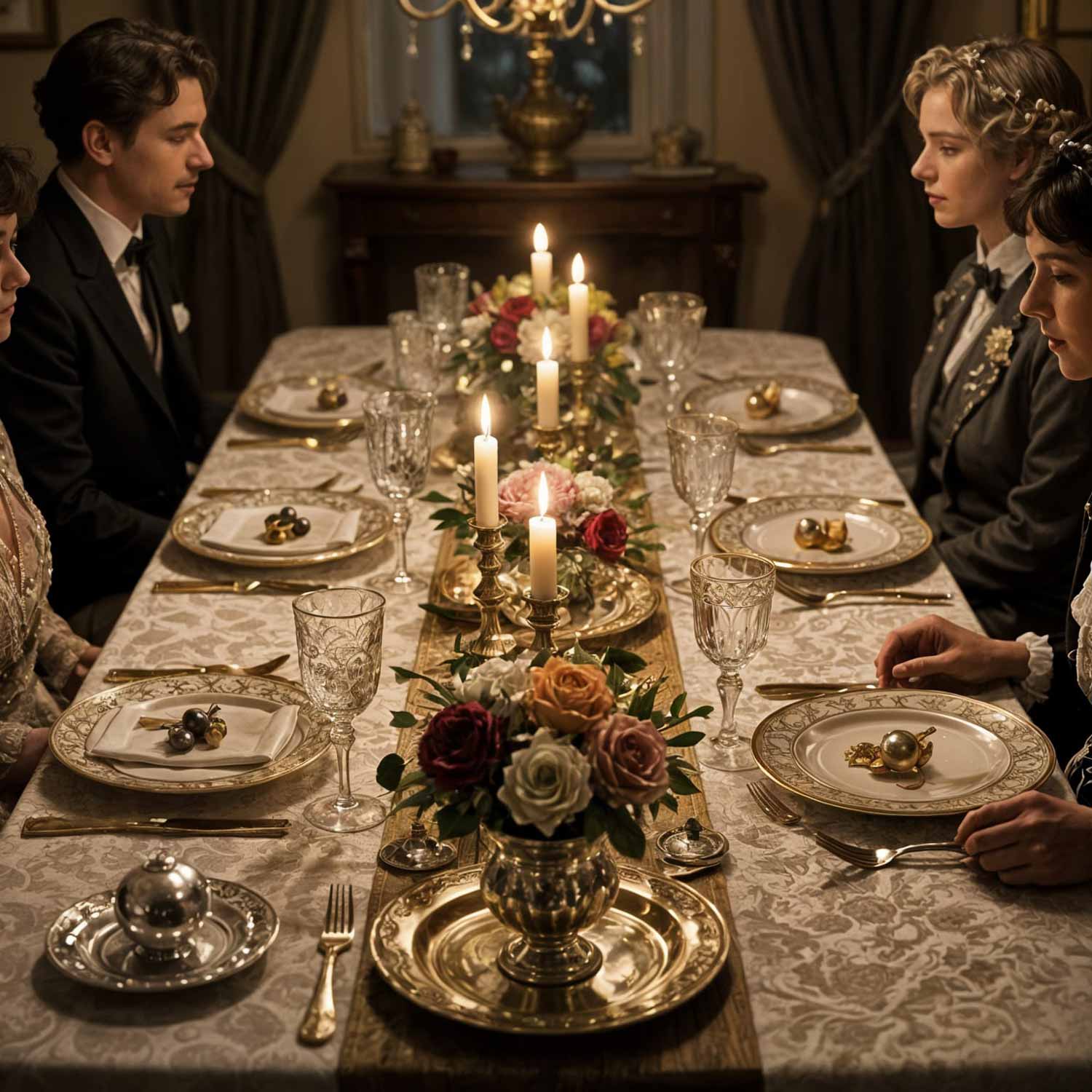
- Dinner Party Games — designed to be played around a table, ideal for smaller groups or those new to murder mysteries.
- Mix & Mingle Mysteries — for larger, party-style events, where guests can move around, chat individually, and reveal clues over the course of an evening.
This flexibility makes murder-mystery games perfect for many occasions: a cosy dinner with a few close friends, a larger birthday party, a holiday gathering, or even a casual weekend night in. And because the games are often affordable and easy to set up (download, print, invite friends), they’re accessible to anyone wanting to host something special without too much fuss.
5. The shared experience becomes a story — memories, jokes, lore
Finally — and perhaps most importantly — a murder mystery night becomes a shared story. Weeks, months, or even years later, people remember the laughter when someone accused the wrong person, the gasp when the twist was revealed, or the dramatic monologue of a “defending” suspect. A mysterious evening becomes storytelling fodder: “Remember that night when…”
As one write-up about murder-mystery dinners puts it: "guests often leave quoting their favourite lines or laughing about funny theories and guesses."
These shared memories — unique to each group, each night, each mystery — are a core part of what makes these games special. It’s not just about solving a crime. It’s about the friends, the drama, the costumes, the surprises, the laughter, and the stories that live long after the games are over.
In Short: Murder Mystery Games = Social Adventure + Storytelling + Fun
Murder mystery games occupy a sweet spot between theatre, puzzle-solving, and social play. They give people a chance to escape their everyday selves, collaborate (or compete), think critically, laugh, and build memories together.
If you’ve never tried one — or if you’ve done a few — there’s always a new character to become, a different mystery to solve, a fresh dynamic depending on who’s at the table (or in the room). And that’s exactly what makes games like those from Murder In The House so much fun — and so timeless.